

Winter brings a picturesque landscape, but for business owners, dropping temperatures and heavy snowfall introduce a host of significant risks. From slips and falls in icy parking lots to severe structural damage caused by frozen pipes and roof ice dams, the colder months can quickly lead to financial loss and liability.
Implementing a proactive winterization strategy is not just about keeping the doors open; it is about ensuring the safety of your employees and customers while safeguarding your bottom line. Read on to discover eight actionable ways to winter-proof your commercial property and maintain a secure, hazard-free environment this season.
1. Maintain Clear Walkways and Parking Lots
Snow and ice accumulation are major liability concerns for any physical business. According to the National Safety Council, falls are one of the leading causes of unintentional injuries, and icy surfaces drastically increase this risk during winter. Ensuring that all pedestrian paths and driving areas are promptly cleared of snow and salted can prevent devastating accidents.
Hire a reliable commercial snow removal service before the first snowfall. Having a contract in place guarantees your property is serviced early in the morning, long before your first employee or customer arrives.
2. Prevent Ice Dams and Roof Structural Damage
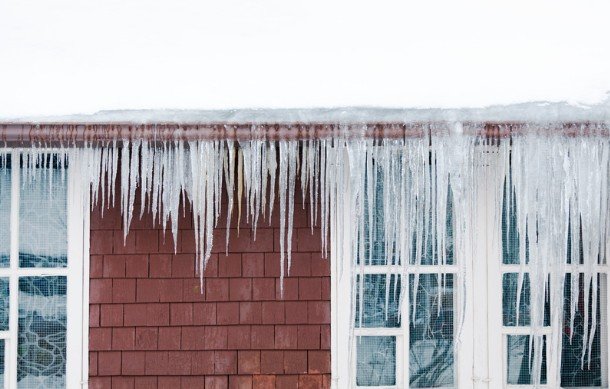
Heavy snow resting on a commercial roof can lead to devastating consequences, particularly when it melts and refreezes at the eaves, forming ice dams. These icy barriers prevent proper drainage, forcing water under roofing materials and into the building, which can cause extensive interior water damage and mold growth.
To safely mitigate this risk, many property managers invest in roof snow melt systems in Utah and other heavy-snow states to maintain proper drainage and prevent dangerous overhangs. Have a professional inspect your roof insulation and ventilation before winter. Proper attic temperatures are the first line of defense against the uneven melting that causes ice dams.
3. Protect Indoor Plumbing from Freezing
A burst pipe can release hundreds of gallons of water per hour, destroying inventory, electronics, and documents while forcing your business to close for repairs. The Insurance Institute for Business & Home Safety notes that water damage is one of the most common and costly commercial claims during freezing weather. Pipes located near exterior walls or in unheated areas like warehouses and basements are incredibly vulnerable.
Wrap exposed pipes in high-quality foam insulation or heat trace cable. Additionally, maintain a minimum indoor temperature of 55°F (13°C) during off-hours to keep the internal plumbing adequately warmed.
4. Enhance Outdoor and Indoor Lighting
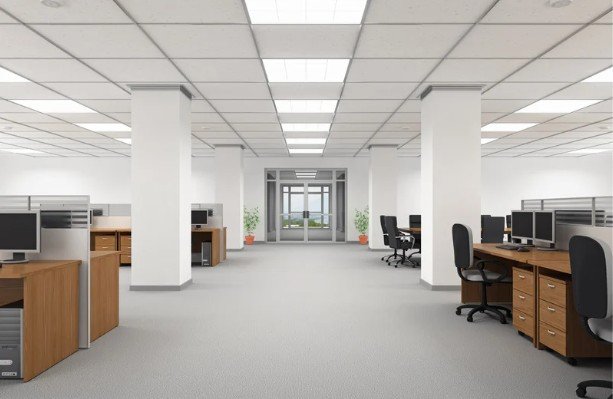
With the winter solstice bringing shorter days and longer nights, employees and customers will likely arrive and leave your premises in the dark. Poor visibility combined with slick surfaces is a recipe for accidents and security breaches. Adequate lighting reduces trip hazards and deters potential vandalism or break-ins.
Switch to high-lumen LED outdoor lighting and install motion sensors in less-frequented areas like loading docks and side alleys. This not only improves safety but also saves on winter energy costs.
5. Upgrade Floor Mats and Entryways
Even if you clear the outdoor walkways, visitors will inevitably track snow, slush, and rock salt into your lobby. This creates a slippery mess on hard flooring and can permanently damage commercial carpets. Data from workers’ compensation claims shows that a large percentage of indoor slip-and-fall incidents occur within the first ten feet of a building entrance.
Implement a three-mat system at all main entrances: an outdoor scraper mat, an indoor wiper/scraper mat, and a final drying mat. Ensure these are securely taped or feature rubberized grips to prevent them from sliding.
6. Prepare a Winter Emergency Kit
Severe blizzards can knock out power grids, leaving your employees stranded in the dark without heating. In 2021, severe winter storms caused unprecedented power outages across the United States, highlighting the need for commercial emergency preparedness. Having basic survival and first aid supplies readily available can keep your team safe until roads are cleared or power is restored.
7. Service the HVAC System
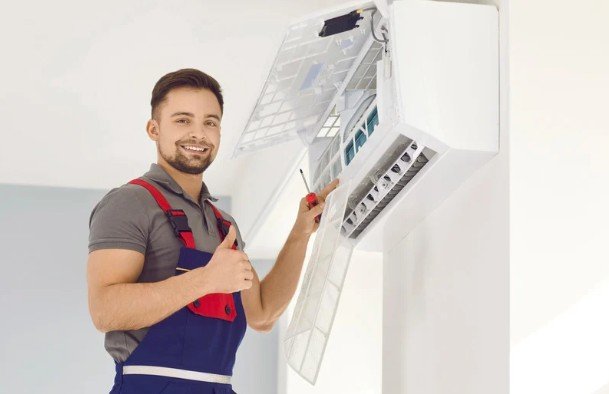
A failing heating system in the middle of February is an operational nightmare. If your commercial HVAC system has to work overtime to compensate for dirty filters or failing mechanical components, your energy bills will skyrocket, and the unit may suffer a complete breakdown. Regular maintenance ensures the system runs efficiently and extends its overall lifespan.
Schedule a comprehensive inspection with a certified HVAC technician every autumn. Have them calibrate the thermostats, check the heat exchangers for cracks, and replace all air filters.
8. Educate Employees on Winter Protocols
Your safety equipment and winterization efforts are only as effective as the people using them. Employees need to know how to navigate winter hazards, report unsafe conditions, and respond effectively in case of an emergency or severe weather lockdown.
Hold a brief winter safety meeting in late autumn. Review the company’s weather closure policies, establish a clear communication chain for snow days, and encourage staff to keep winter emergency kits in their personal vehicles.
Safeguarding your business against the harsh realities of winter requires preparation, awareness, and timely action. By implementing these eight strategies, you can protect your physical assets, ensure the well-being of your staff and clientele, and enjoy a seamless, productive season regardless of the forecast. Take a walk around your facility today to identify potential winter vulnerabilities and start making the necessary upgrades before the first freeze hits.