
DIY home styling tips don’t have to mean weekend-long projects or expensive upgrades. In my real, everyday routine, home styling looks more like small resets, smart swaps, and habits I repeat every few months. I focus on flow, comfort, and personality—without knocking down walls or draining my bank account.
I style my home the same way I style my outfits: I start with a solid base, add layers, and finish with details that feel like me. These DIY home styling tips come from trial, error, and living in the space day after day. They’re practical, repeatable, and easy to maintain, even when life gets busy.
How do I start DIY home styling without feeling overwhelmed?
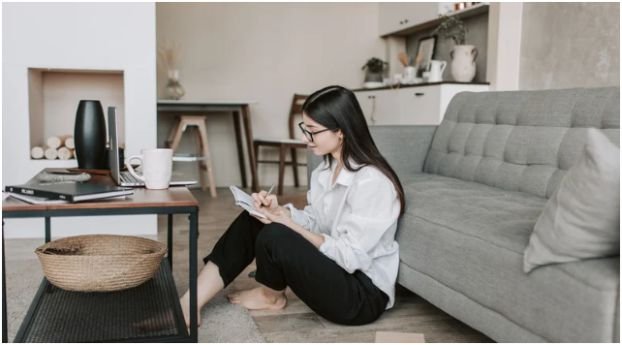
I always start with decluttering, not decorating. When a room feels off, it’s usually because it holds too much visual noise. I clear surfaces, remove anything I don’t use, and reset the room before adding a single new item. This step alone makes the biggest difference.
Once the room feels lighter, I plan before I buy. I create a quick mood board using saved photos, fabric samples, or paint swatches. This keeps me focused and prevents impulse purchases that don’t work together. Planning saves money and frustration every time.
I also think about how I actually use the space. Styling only works when it supports real life. A beautiful room that doesn’t function never feels finished, no matter how good it looks in photos.
How do DIY home styling tips help with color and balance?
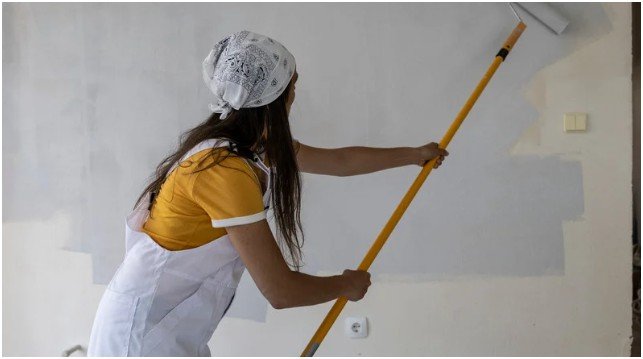
Color balance changes everything. I rely on the 60-30-10 rule because it keeps rooms calm but interesting. I use one dominant color for walls or large furniture, a secondary color for rugs or curtains, and a small accent color for decor and art.
This rule helps me avoid over-decorating. When I feel tempted to add “just one more thing,” I check whether it fits into the color balance. If it doesn’t, I skip it.
I also use paint strategically. One of my favorite tricks is painting walls and trim the same color but using different finishes. Matte walls with satin or semi-gloss trim add subtle depth without adding another color to the room.
How do I style surfaces so they look intentional, not cluttered?
I style surfaces using vignettes instead of spreading decor everywhere. I group items in threes with different heights—small, medium, and large. Books anchor the arrangement, plants soften it, and decorative objects add personality.
Trays help me keep things contained. When decor sits on a tray, it feels purposeful instead of messy. This works especially well on coffee tables, consoles, and nightstands.
Scale matters more than people realize. I use larger lamps or statement pieces on open surfaces and reserve smaller items for shelves. Mixing scale keeps the room from feeling flat or crowded.
How do textiles and greenery change the feel of a room?
Textiles do the heavy lifting in my home. I swap pillows, throws, and sometimes rugs instead of buying new furniture. This refreshes the space fast and keeps it seasonal without much effort.
I layer textures instead of matching everything. Linen, knits, and subtle patterns add depth even when the color palette stays neutral. This makes the room feel styled instead of staged.
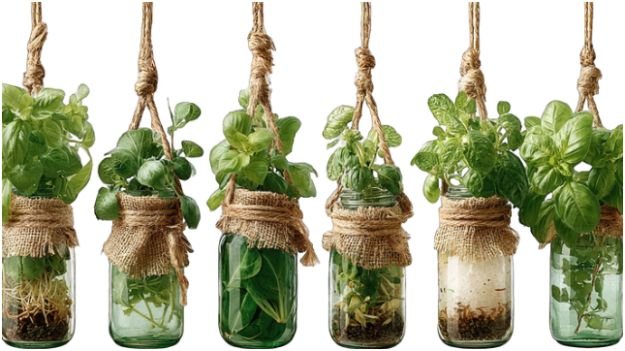
Plants bring everything to life. I mix upright plants, trailing vines, and compact options like cacti. Even one plant changes the energy of a room. I place them near windows, shelves, or empty corners that feel forgotten.
How can I upgrade my space on a budget without renovations?
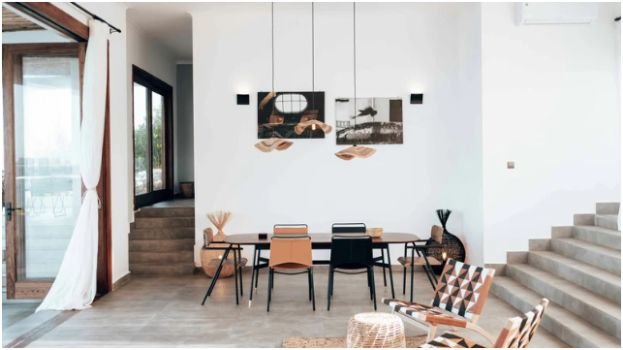
Small upgrades make a big impact. I swap hardware on dressers, cabinets, and nightstands to give furniture a custom look. Changing knobs or legs costs very little but makes pieces feel new again.
Lighting also matters. I add floor lamps, table lamps, or soft string lights instead of relying on overhead lighting. This instantly improves ambiance and makes the space feel warmer and more inviting.
Mirrors work double duty. They reflect light and make rooms feel larger. I place them opposite windows or near darker corners to brighten the space naturally.
How do I make my home feel personal and lived-in?
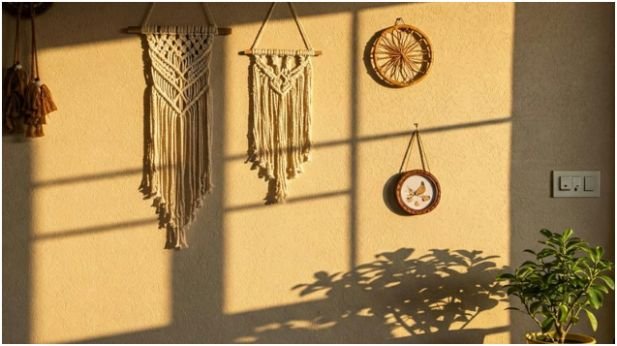
Personality comes from intention, not excess. I use gallery walls to display family photos, art, or meaningful prints. I keep spacing consistent so the wall feels curated, not chaotic.
I define zones using furniture and rugs, especially in open spaces. Pulling a sofa slightly away from the wall or anchoring a seating area with a rug creates structure without adding walls.
I also engage the senses. A diffuser with essential oils or a favorite candle makes the space feel welcoming the moment I walk in. Styling isn’t just visual—it’s emotional.
My Step-by-Step DIY Home Styling Routine
I start by decluttering the room completely. I clear surfaces, remove unnecessary items, and clean thoroughly. A clean space gives me clarity and motivation.
Next, I reset the layout. I rearrange furniture to improve flow and function. Even small shifts can make a room feel brand new.
Then I define my color palette using the 60-30-10 rule. I adjust textiles and decor to fit the palette before adding anything new.
After that, I style surfaces using vignettes. I group items in threes, vary heights, and use trays to keep things organized.
Finally, I add personal touches. I hang art, place plants, adjust lighting, and finish with scent. I step back, live in the space for a few days, and tweak as needed.
FAQ: DIY Home Styling Tips People Ask Me All the Time
1. Do I need to follow trends for DIY home styling tips to work?
Not at all. Trends fade quickly, but good styling habits last. I focus on balance, function, and comfort first. If a trend fits my space and lifestyle, I’ll use it. If not, I skip it without guilt. Your home should support your routine, not chase social media.
2. How often should I refresh my home styling?
I do small resets every season and bigger refreshes once or twice a year. Swapping textiles, rearranging furniture, or updating decor keeps the space feeling fresh without constant spending.
3. Can renters use these DIY home styling tips too?
Absolutely. Most of these ideas work perfectly for rentals. Furniture layout, textiles, lighting, mirrors, and removable decor make a huge difference without permanent changes.
4. What’s the biggest mistake people make with DIY home styling?
Overdecorating. Too many small items create visual clutter. I always choose fewer, larger pieces and let negative space do its job.
The “Your Home Should Work for You” Wrap-Up
Here’s my honest take: DIY home styling tips only work when they fit your real life. I don’t aim for perfection. I aim for spaces that feel calm, functional, and a little bit fun.
When your home supports your routine, everything feels easier. Start small, trust your instincts, and style in layers. The best homes don’t look perfect—they feel right.