
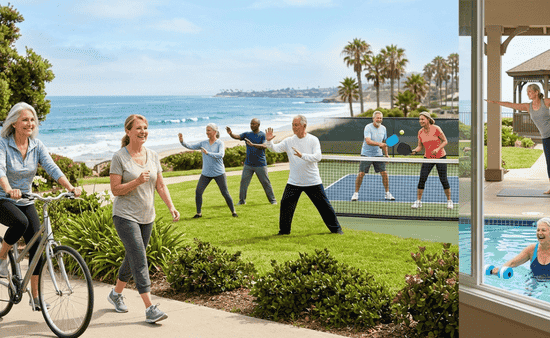
Entering retirement opens up a wealth of time to focus on personal well-being and physical health. However, as the body ages, high-impact activities like running or heavy weightlifting can put unwanted stress on joints and ligaments. This is where low-impact exercises become essential. Low-impact workouts provide the cardiovascular and strength-building benefits necessary to maintain independence and vitality without subjecting the body to jarring forces. Engaging in regular physical activity can lower the risk of chronic conditions, improve mental health, and enhance overall quality of life. The following seven exercises offer excellent ways to stay active, healthy, and energized throughout your retirement years.
1. Swimming and Water Aerobics
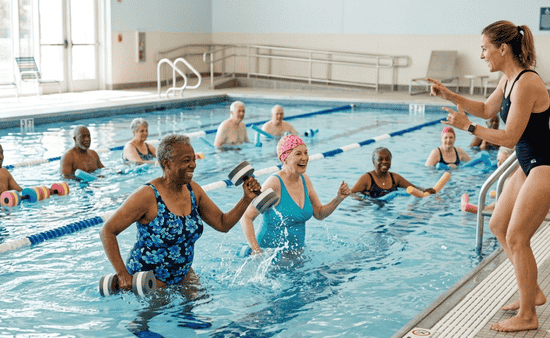
Water-based exercises are highly regarded for older adults because the buoyancy of water supports the body, reducing stress on the hips, knees, and spine by up to 90%. Swimming provides a full-body workout that improves cardiovascular endurance, muscle strength, and flexibility. According to the Centers for Disease Control and Prevention (CDC), water-based exercise can improve the use of joints affected by osteoarthritis and decrease pain.
Tip: If you are not a confident swimmer, start with a water aerobics class. The resistance of the water helps build muscle strength even when you are just walking back and forth in the shallow end.
2. Cycling
Whether on a stationary bike indoors or a traditional bicycle outdoors, cycling is an exceptional low-impact cardiovascular workout. The smooth, circular motion of pedaling builds leg strength and elevates the heart rate without the repetitive pounding associated with jogging. Studies show that regular cycling can significantly reduce the risk of cardiovascular diseases and improve overall stamina.
Tip: For those with balance concerns or lower back issues, a recumbent stationary bike provides excellent back support and a lower center of gravity, making it a safe and comfortable option.
3. Yoga
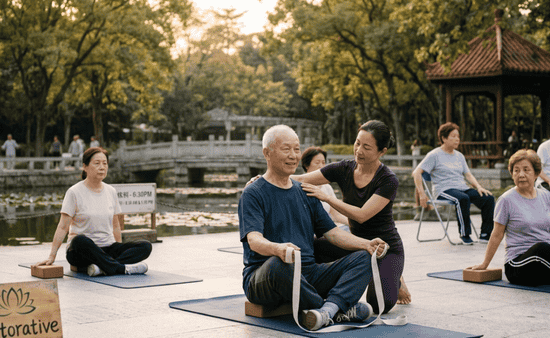
Yoga focuses on flexibility, balance, and core strength, making it highly beneficial for retirees. The practice involves moving through a series of poses while controlling your breathing. Regular yoga practice has been shown to reduce blood pressure, lower resting heart rates, and improve sleep quality. Furthermore, the emphasis on balance is critical for older adults, as it actively helps prevent dangerous falls.
Tip: Look for beginner-friendly classes labeled as “Restorative Yoga” or “Chair Yoga” to ease into the practice safely. Always use props like blocks and straps to support your body in challenging poses.
4. Pilates
Similar to yoga, Pilates is a low-impact exercise method that emphasizes core strength, flexibility, and overall body alignment. However, Pilates places a stronger focus on the physical conditioning of the abdominal muscles, lower back, and hips. Strong core muscles support the spine, leading to better posture and a reduction in chronic lower back pain, which affects a large percentage of older adults.
Tip: Start with mat-based Pilates rather than using the reformer machines right away. Mat classes rely on your own body weight for resistance, allowing you to master the foundational movements and breathing techniques at your own pace.
5. Walking
Walking is perhaps the most accessible and natural low-impact exercise available. It requires no special equipment other than a supportive pair of shoes. Brisk walking elevates the heart rate, strengthens the lower body, and aids in maintaining a healthy weight. According to the American Heart Association, walking at a brisk pace for just 30 minutes a day can lead to a 35% reduction in the risk of coronary heart disease.
Tip: To maximize the benefits, vary your walking routes to include gentle hills, or alternate your walking speed throughout your session. This natural interval training boosts cardiovascular health.
6. Tai Chi
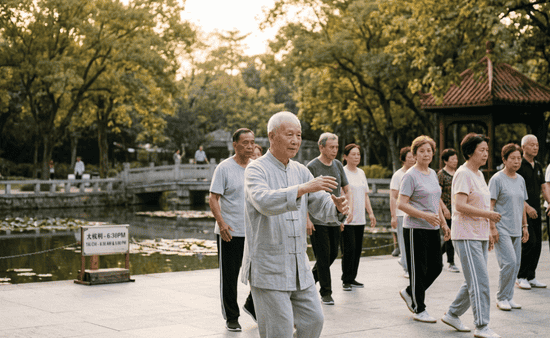
Originally a martial art, Tai Chi has evolved into a graceful form of exercise that involves a series of movements performed in a slow, focused manner accompanied by deep breathing. Often described as “meditation in motion,” Tai Chi puts minimal stress on the muscles and joints. Clinical trials have demonstrated that Tai Chi can improve balance and stability in older adults, reducing the rate of falls by nearly 50%.
Tip: Practice Tai Chi consistently, even if just for 10 to 15 minutes a day. The slow, deliberate movements require muscle memory, and regular practice will help you reap the maximum physical and mental benefits.
7. Pickleball
Combining elements of tennis, badminton, and ping-pong, pickleball has surged in popularity among retirees. The court is smaller than a tennis court, which means less running and lower impact on the knees, yet it still provides a fantastic cardiovascular workout and improves hand-eye coordination. Playing pickleball is a fantastic way to engage in a fun, social activity while getting your heart rate up.
Tip: Invest in a lightweight paddle and supportive court shoes to prevent lateral injuries. Make sure to properly warm up your shoulders and knees before stepping onto the court to play.
Maintaining physical health in retirement does not require grueling, high-intensity workouts. By incorporating a mix of these gentle, joint-friendly activities into your weekly routine, you can build a sustainable fitness habit that supports long-term mobility, cardiovascular endurance, and overall well-being.