
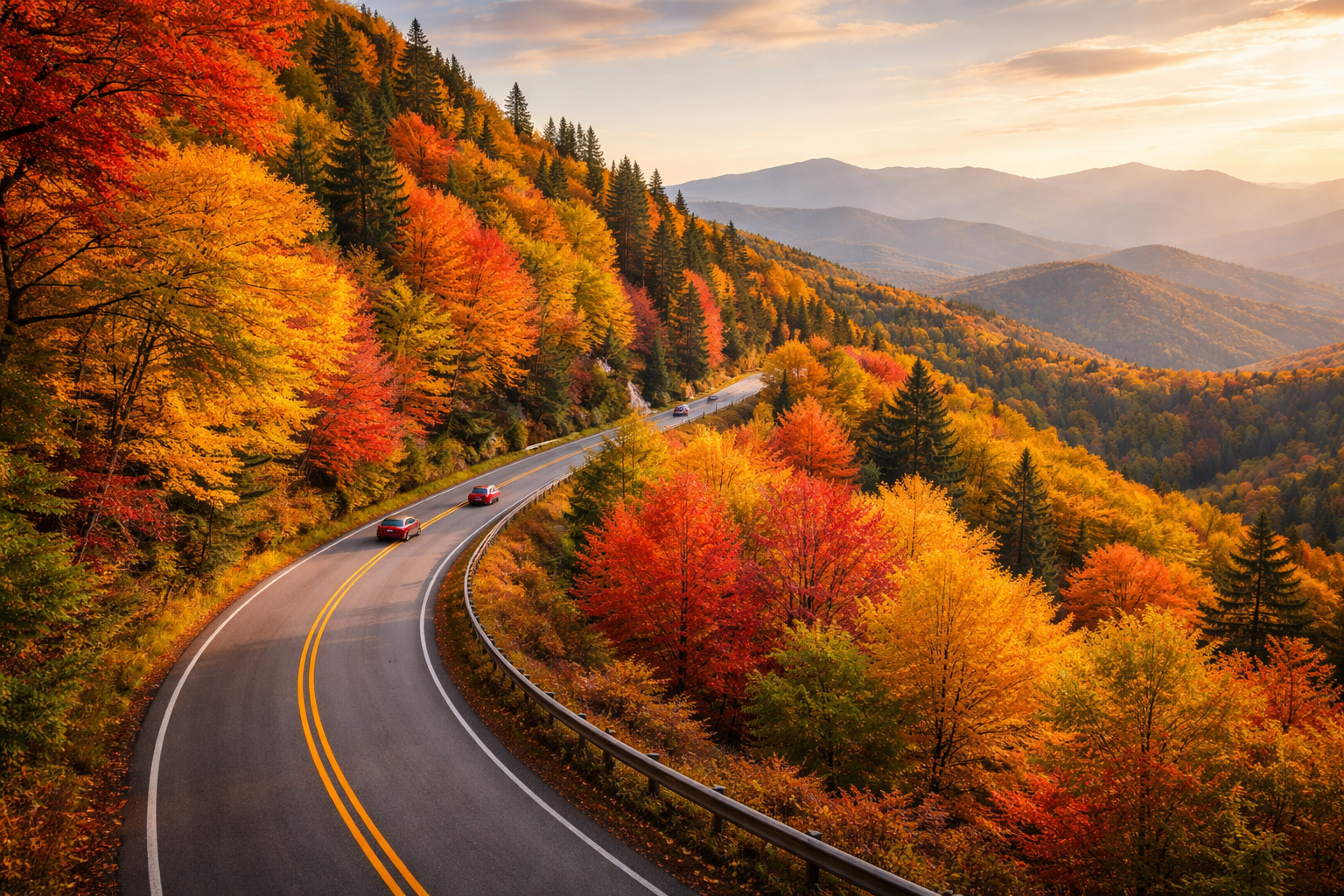
I still remember the moment I pulled over on a quiet mountain road, surrounded by trees that looked like they were on fire—in the best possible way. That’s when I realized fall foliage trips aren’t just about seeing pretty colors. They’re about timing it right, choosing the right roads, and knowing exactly where to be before the crowds show up.
Most people miss peak season by a few days or end up stuck in traffic at overcrowded viewpoints. I’ve done both. But after years of planning and refining my approach, I’ve learned how to turn fall foliage trips into something far more rewarding—less stress, better views, and experiences that actually stay with you long after the season ends.
If you want to catch the absolute best colors in 2026 without guessing, this guide will walk you through exactly how to plan it right.
What Are the Best Fall Foliage Trips in the U.S.?
When it comes to iconic autumn travel, New England still leads the way. Vermont’s Route 100 and New Hampshire’s Kancamagus Highway offer some of the most vibrant maple displays you’ll find anywhere. These routes combine rolling hills, small towns, and long stretches of uninterrupted color.
But I’ve found that some of the most rewarding experiences come from expanding beyond the usual picks. The Blue Ridge Parkway, stretching through Virginia and North Carolina, delivers a longer season thanks to changing elevations. Out west, Colorado’s Million Dollar Highway transforms into a corridor of golden aspens that feels completely different from the East Coast experience.
Mixing well-known routes with underrated regions like northern Michigan or West Virginia creates a more balanced and less crowded trip.
When Is the Best Time for Fall Foliage Trips in 2026?
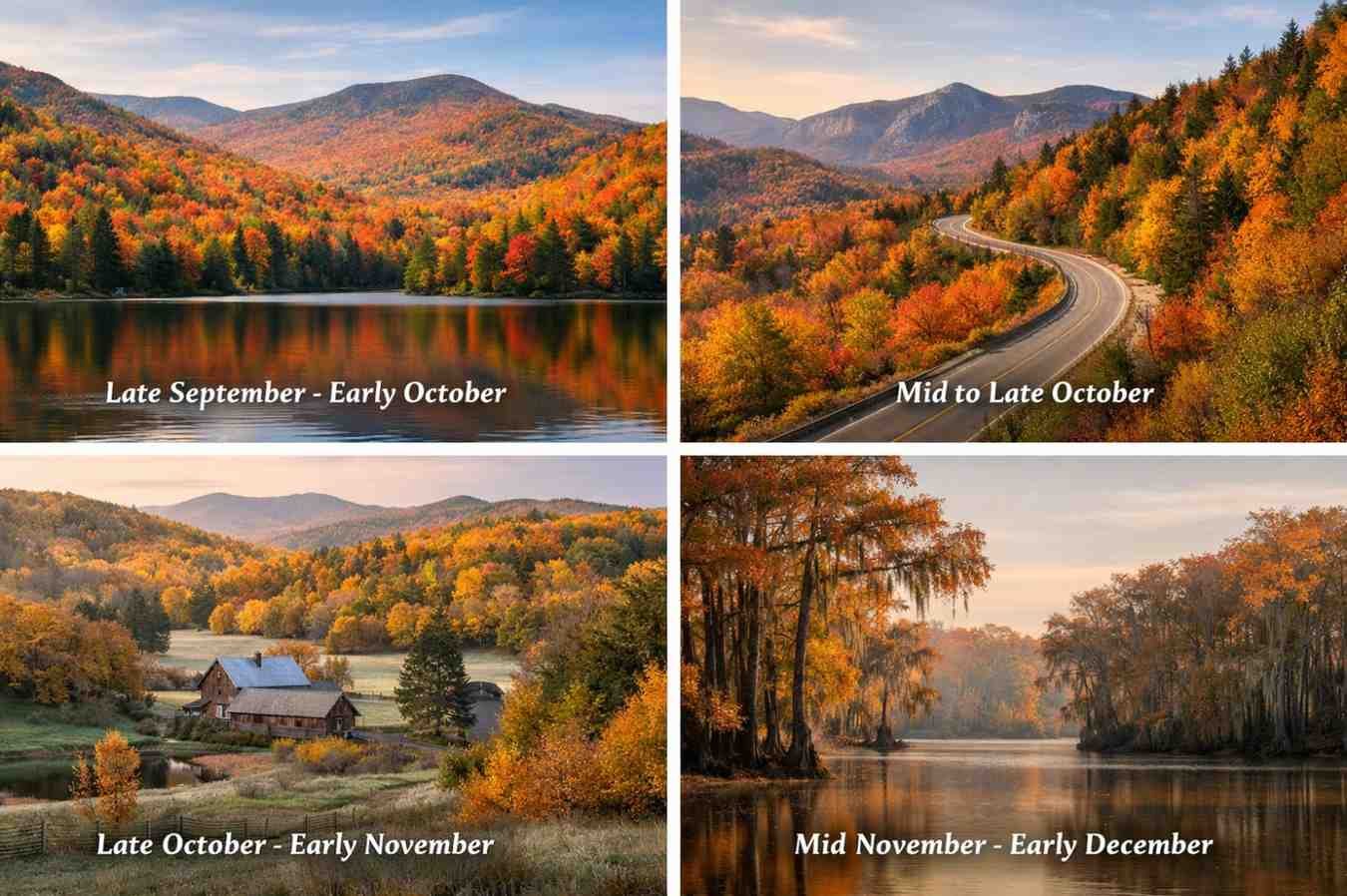
Peak foliage doesn’t happen all at once—it moves based on latitude and elevation. In 2026, the season is expected to begin in late September and extend into early December in southern regions.
Here’s how I usually plan around the timing:
| Region | Peak Timing | What You’ll See |
| Northern Vermont & NH | Late Sept – Early Oct | Bright red and orange maples |
| Colorado Rockies | Late Sept – Early Oct | Golden aspen forests |
| Blue Ridge Mountains | Mid – Late October | Mixed reds, yellows, and oranges |
| Great Smoky Mountains | Late Oct – Early Nov | Dense, layered fall colors |
Higher elevations change first, so if you’re slightly off schedule, you can still catch peak color by adjusting your route. This flexibility has saved more than one trip for me.
How Do You Choose the Perfect Scenic Route?
The route matters just as much as the destination. I always prioritize scenic byways over highways because they slow the pace and allow you to actually enjoy the surroundings.
The Blue Ridge Parkway is one of the best examples of this. It’s designed for scenic travel, with overlooks, hiking stops, and gradual elevation changes. In New England, smaller backroads often deliver better views than major routes, especially through rural towns and covered bridge areas.
I also look for routes that combine nature with small-town stops. A quick coffee break, local bakery visit, or walk through a quiet town adds depth to the trip and keeps it from feeling repetitive.
How to Plan Fall Foliage Trips Step by Step
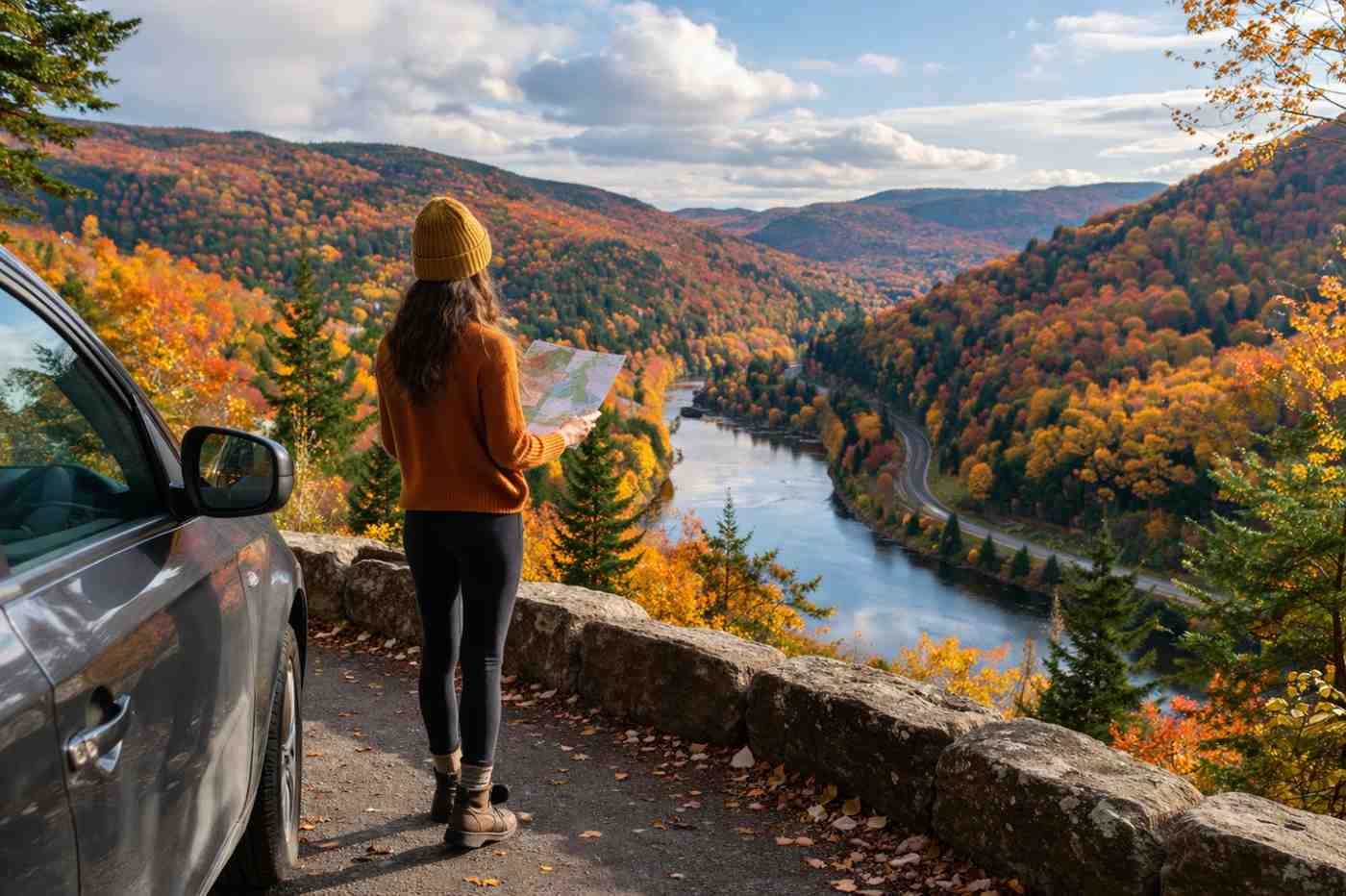
Planning doesn’t have to be complicated, but it does need to be intentional. I usually start by choosing a region based on peak timing, then build a loose route around it.
Next, I map out key stops like scenic overlooks, short hikes, and towns worth exploring. I avoid packing the schedule too tightly because fall trips feel better when there’s room for spontaneity.
Booking accommodations early is essential, especially in high-demand areas like Vermont or the Smoky Mountains. I always try to stay close to the main route to reduce driving time and make mornings easier.
A few days before departure, I check foliage trackers and weather updates. This final step helps me adjust plans and increases the chances of hitting peak color.
What Should You Pack for a Fall Road Trip?
Fall weather can shift quickly, especially in mountain regions. I rely on layering—light base layers, a warm mid-layer, and a wind-resistant jacket.
Comfortable walking shoes are non-negotiable since you’ll likely stop often for short walks or scenic viewpoints. I also bring a thermos for coffee, a compact blanket, and enough storage on my phone or camera for photos.
These small details make a noticeable difference in how relaxed and enjoyable the trip feels.
How Can You Avoid Crowds During Peak Season?
Crowds are one of the biggest challenges during peak foliage. I’ve learned that timing and location choices make all the difference.
Traveling midweek instead of weekends instantly reduces congestion. Early mornings are quieter and offer better lighting for photos. If a location is well-known, I look for nearby alternatives that offer similar scenery without the heavy traffic.
Choosing less obvious regions like West Virginia or parts of the Midwest can also deliver stunning views without the usual crowds.
What Are the Best Tips for a Stress-Free Fall Trip?
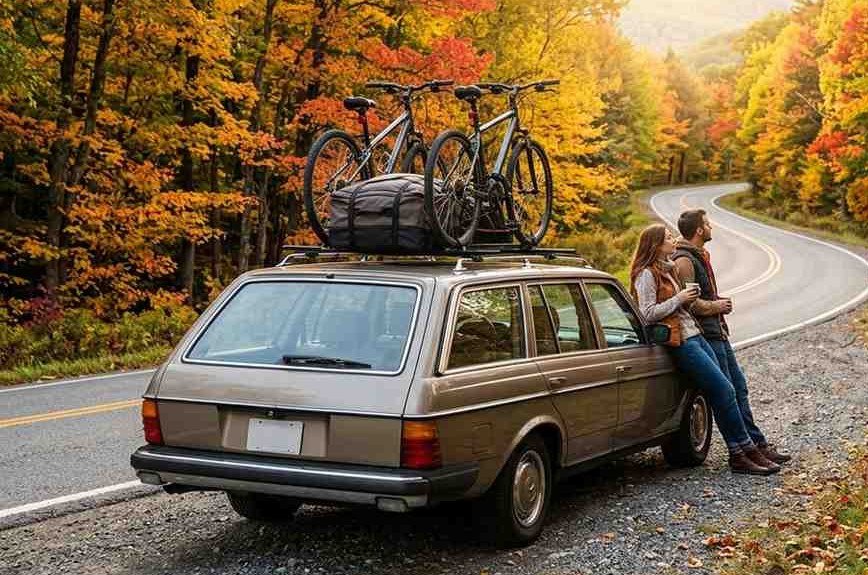
The best trips I’ve taken all have one thing in common—they’re not rushed. I plan shorter driving days, build in time to pause, and avoid treating the trip like a checklist.
Weather changes, and peak timing isn’t always perfect. Staying flexible helps you enjoy the experience instead of chasing perfection. Some of the best moments come from unexpected stops or quiet stretches of road.
When I slow down and stay present, the trip becomes far more memorable than any perfectly planned itinerary.
Frequently Asked Questions
1. What are the best states for fall foliage trips?
Vermont, New Hampshire, Colorado, North Carolina, and Pennsylvania consistently offer some of the best fall color experiences.
2. How long should a fall foliage trip be?
A 3 to 5 day trip works well for most routes, giving enough time to explore without feeling rushed.
3. Are fall trips expensive?
Costs vary by location. Booking early, traveling midweek, and choosing less crowded areas can help manage expenses.
4. Do I need to track foliage forecasts?
Yes, checking foliage maps a few days before your trip helps you adjust timing and maximize your chances of seeing peak color.
Final Thoughts on Planning the Perfect Autumn Getaway
Every time I plan one of these trips, I remind myself that it’s not about chasing the “perfect” week of color. It’s about being in the moment—driving through quiet roads, stopping when something catches your eye, and letting the season unfold naturally. Keeping a few Essentials for a Smooth Adventure Road Trip in mind also makes the entire experience feel more effortless and enjoyable.
When you combine smart timing, flexible planning, and the right routes, fall foliage trips become less stressful and far more rewarding.