

Heading out on the open road offers a sense of freedom that few other travel methods can match. You control the schedule, the playlist, and the destinations. However, a successful journey requires careful preparation. Without the right gear, a minor hiccup can easily derail your plans.
Gathering a few specific items beforehand will keep you comfortable, safe, and ready for whatever the highway brings. Here is a breakdown of the six crucial items you need to pack for your next big drive.
Reliable Navigation Tools
Relying solely on a smartphone cell signal is a common mistake. Mountains and rural areas frequently drop coverage, leaving you without a working map. Download offline maps for your route before leaving home. Most major navigation apps allow you to save large regional areas directly to your phone’s local storage.
Additionally, keeping a physical atlas in your glovebox provides a foolproof backup. It never runs out of battery and gives you a broader view of alternative routes if a main highway closes. Learning to read a paper map is a valuable skill that brings an extra layer of security to your travels.
Comprehensive Roadside Emergency Kit
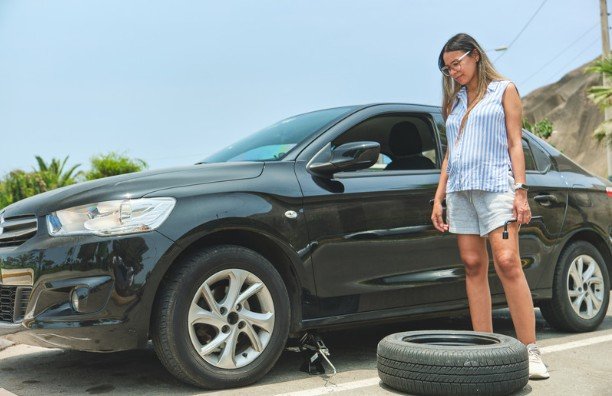
Vehicle trouble happens. A well-stocked emergency kit prevents a flat tire or dead battery from ruining your trip. Your trunk should contain heavy-duty jumper cables, a portable tire inflator, and a working pressure gauge. Pack a reflective warning triangle and a high-lumen flashlight with extra batteries to ensure you are visible to other drivers at night.
Adding a basic toolkit with wrenches, screwdrivers, and pliers will help you handle minor mechanical fixes on the shoulder. You should also pack a pair of durable work gloves and a roll of duct tape for temporary emergency repairs.
Secure and Spacious Gear Storage
Long trips often involve bulky equipment like camping gear, mountain bikes, or off-road vehicles. Cramming everything into the back seat creates an uncomfortable ride and blocks the driver’s rearview mirror. If you plan on taking extensive gear across rugged landscapes, consider upgrading your hauling capacity.
For example, finding a reliable enclosed trailer for sale in Utah can solve your storage problems entirely, especially if you are navigating the unpredictable weather of the Southwest. A dedicated storage solution protects your valuables from the elements, secures them against theft, and frees up cabin space for passengers to stretch out.
High-Quality Cooler and Hydration Station
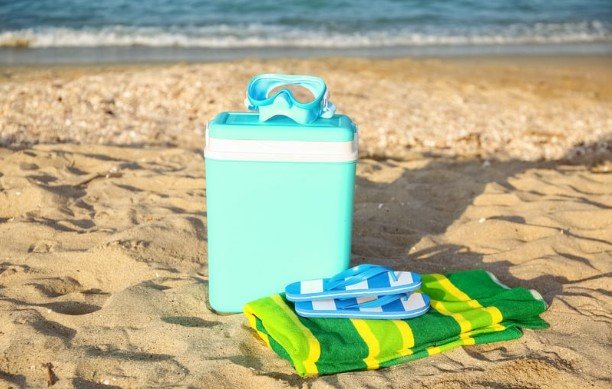
Fast food gets old quickly on a long drive. Packing your own meals saves money and keeps your energy levels stable. Invest in a heavily insulated cooler that can retain ice for several days. Fill it with fresh fruit, sandwiches, and protein-rich snacks. Block ice lasts significantly longer than cubed ice, so place a large block at the bottom of the cooler before adding your food.
Equally important is your water supply. Bring a large, refillable water jug and individual reusable bottles for everyone in the car. Staying hydrated prevents fatigue during long stretches of driving.
Ride Comfort Upgrades
Sitting in the same position for hours takes a toll on your body. Small comfort items make a massive difference over a multi-day journey. Bring supportive travel pillows and lightweight fleece blankets to help passengers rest. A dedicated lumbar support cushion can save the driver from lower back pain.
Sunglasses, sunshades for the windows, and a dedicated trash receptacle also contribute to a much more pleasant cabin environment, creating a luxury lifestyle travel experience even on long drives. Keeping the car clean and organized prevents clutter from building up around your feet.
Expanded First Aid Kit
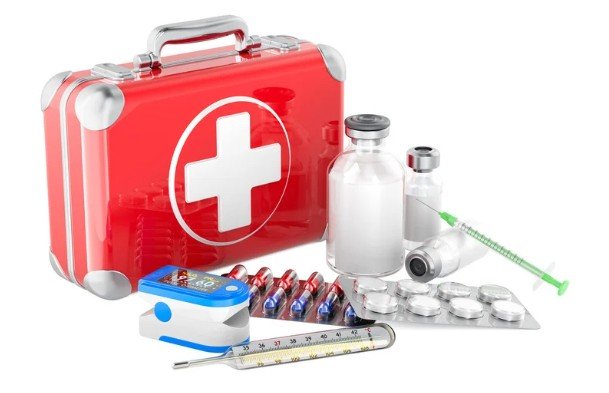
Minor scrapes, headaches, or upset stomachs are bound to happen. A standard drugstore first aid kit is a good start, but you should customize it for your specific group. Include plenty of bandages, antiseptic wipes, and tweezers for splinters.
Add over-the-counter pain relievers, motion sickness medication, and allergy pills. Do not forget a generous supply of sunscreen and bug spray if your adventure involves hiking or camping stops along the way. These essentials also double as practical travel tips for bloggers who spend long hours on the road capturing content. Store this kit in an easily accessible spot inside the main cabin rather than buried under luggage in the trunk.
Frequently Asked Questions About Road Trip Planning
1. How often should I stop to rest during a long drive?
Safety experts recommend stopping every two hours or every 100 miles. Taking a 15-minute break to stretch your legs, use the restroom, and drink some water helps maintain your focus and prevents highway hypnosis.
2. How do I prepare my car before a major trip?
Schedule a check-up with your mechanic at least a week before you leave. Have them check the oil, brake pads, tire tread depth, and transmission fluid. Make sure your windshield wipers are in good condition and top off the washer fluid.
Hit the Highway Prepared
Proper preparation transforms a stressful drive into an unforgettable adventure. Taking the time to gather these six essentials ensures you can handle detours, mechanical issues, and hungry passengers with ease. Check your vehicle’s fluids, load up your gear safely, and finalize your route. Gather your friends or family, queue up your favorite music, and enjoy the journey ahead.