

Planning a lengthy drive requires much more than just packing bags and picking a destination. Your vehicle must undergo a thorough inspection to ensure a safe and smooth journey. Highway breakdowns ruin travel plans and cost significant amounts of money.
By checking key mechanical components and safety features before you leave, you protect your investment and keep your passengers secure. This guide covers the essential maintenance steps required to prepare your vehicle for extended travel.
Inspecting Under the Hood
The engine bay holds the most critical components of your vehicle. A quick visual inspection and basic maintenance here will prevent the majority of common roadside breakdowns.
Checking Essential Fluids
Your engine relies on various fluids to lubricate moving parts and regulate temperatures. Start by pulling the engine oil dipstick to check both the level and the color of the oil. Dark, gritty oil means you need a full replacement before hitting the highway. Next, inspect the engine coolant reservoir.
Low coolant levels often lead to engine overheating during long hours of continuous driving. Finally, top off your windshield washer fluid. Highway driving covers your windshield with bugs and dust, making maximum visibility an absolute necessity.
Evaluating the Battery
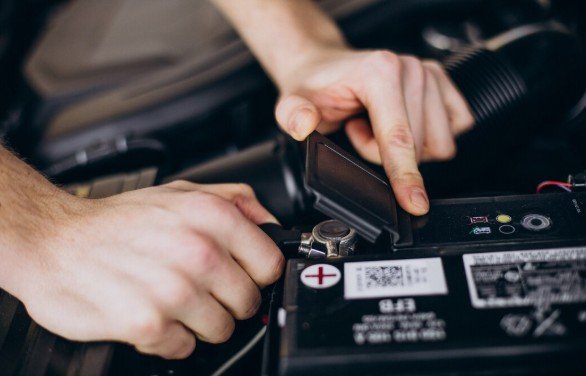
A dead battery halts your travel plans instantly. Inspect the battery terminals for any white or bluish corrosion. You can clean this buildup easily using a wire brush and a simple mixture of baking soda and water. Check the age of the battery as well. Most standard vehicle batteries last three to five years.
If your battery falls into that older range, take it to a local parts store for a quick voltage test. Replacing a weak battery at home is much easier than dealing with a car that refuses to start at a remote rest stop.
Ensuring Safe Contact with the Road
Your tires and brakes do the heavy lifting when it comes to vehicle safety. They absorb the friction of the road and give you the control needed to navigate unfamiliar highways safely.
Examining Tire Tread and Pressure
Tires represent the only physical contact point between your vehicle and the pavement. Measure your tire pressure when the tires are cold, ensuring the levels match the numbers listed on the sticker inside your driver side door jamb. Properly inflated tires improve fuel efficiency and provide better handling.
Next, check the tread depth using a simple penny. Insert the coin into the tire groove with Lincoln facing upside down. If you can see the top of his head, your tires lack the necessary tread to grip wet roads safely.
Testing the Braking System
Your brakes must respond instantly when traveling at high highway speeds. Pay close attention to how your brakes feel and sound in the weeks leading up to your trip. Squeaking or grinding noises usually indicate worn brake pads that require immediate replacement.
If the steering wheel vibrates when you press the brake pedal, you might have warped rotors. Never ignore these warning signs. Have a professional mechanic perform a complete brake inspection to guarantee your stopping power remains completely reliable.
Preparing the Interior for Comfort
Mechanical reliability gets you to your destination, but interior comfort determines how much you actually enjoy the journey.
Enhancing Entertainment Systems
Long drives require excellent entertainment to keep the driver alert and passengers happy. Listening to static or poor sound quality quickly becomes frustrating on endless highway stretches. Upgrading your sound system makes a massive difference in passenger comfort.
Whether you browse local installation shops or search specifically for premium car audio in Utah, replacing factory speakers transforms the cabin environment. Crisp music and clear podcasts help the hours fly by, turning a tedious drive into an enjoyable experience for everyone inside the vehicle.
Packing a Roadside Emergency Kit
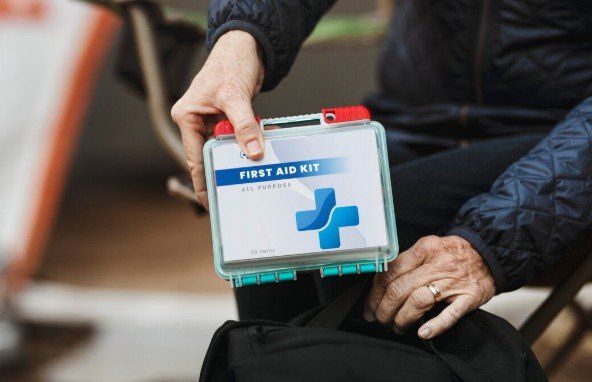
Even with perfect preparation, unexpected situations still happen on the road. A well stocked emergency kit provides peace of mind and practical help. Pack heavy duty jumper cables, a reliable tire inflator, and a high quality flashlight with extra batteries.
Add a comprehensive first aid kit, basic hand tools, and reflective warning triangles. Store a few bottles of drinking water and non perishable snacks in the trunk just in case you end up waiting for a tow truck in an isolated area.
When I prepare for long drives, I also make sure I have everything needed for comfort and safety beyond just basic tools. Reviewing guides like adventure road trip essentials helps me pack smarter and avoid missing important items that can make or break the journey.
Hitting the Road with Confidence
Taking the time to prepare your vehicle completely eliminates the stress of long distance travel. By verifying your fluid levels, inspecting your tires, and ensuring a comfortable interior, you set the stage for a highly successful journey. Address these essential vehicle needs a few weeks before your departure date. Proper preparation keeps you safe and allows you to focus fully on the adventure ahead.