
The Economic and Environmental Benefits of Metal Recycling
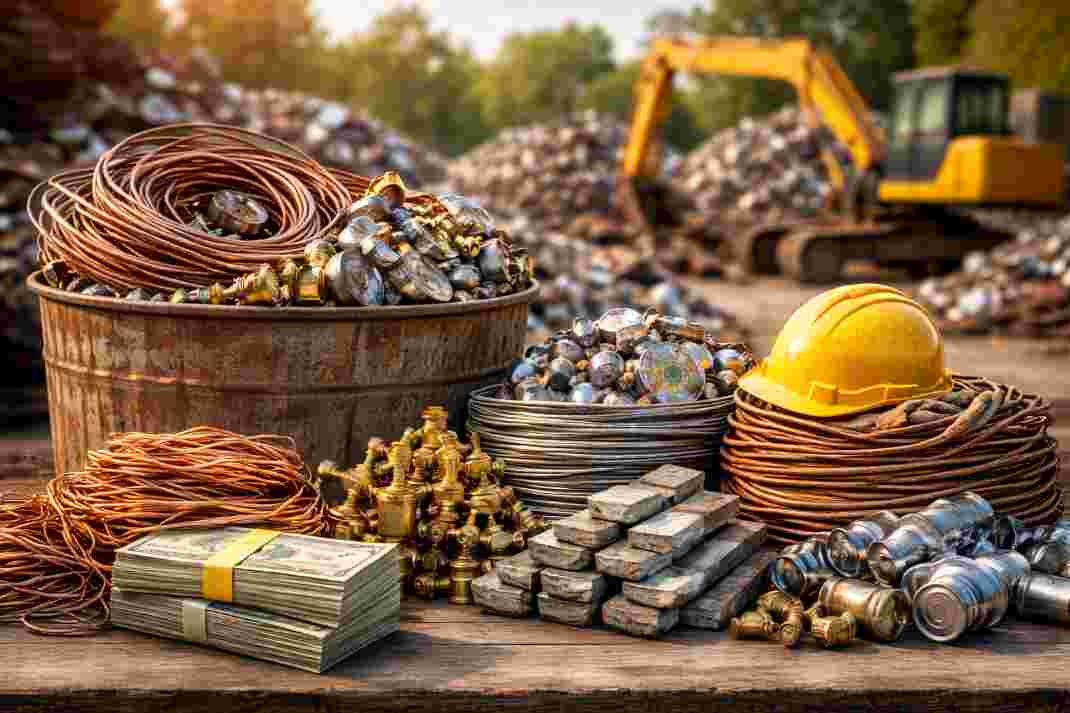
In an era where sustainability has become crucial, the recycling of metals has taken on significant importance. The process not only contributes to conserving natural resources but also offers economic benefits.
Metal recycling ensures that materials such as steel, aluminium, copper, and brass, which would otherwise end up in landfills, are reprocessed and reused. Through this circular economy model, industries reduce their environmental footprint, cater to new demand, and support a more sustainable use of resources.
Understanding the Value of Scrap Metal
Scrap metal is more than just waste; it holds intrinsic value. As natural resources become increasingly scarce and the cost to mine new metals rises, the worth of metals that can be reprocessed escalates.
Different metals fetch varying market prices, influenced by factors such as purity, quantity and market demand. Recognising the types of metals that are of recyclable value is the first step in turning trash into treasure.
Different Types of Metals and Their Worth
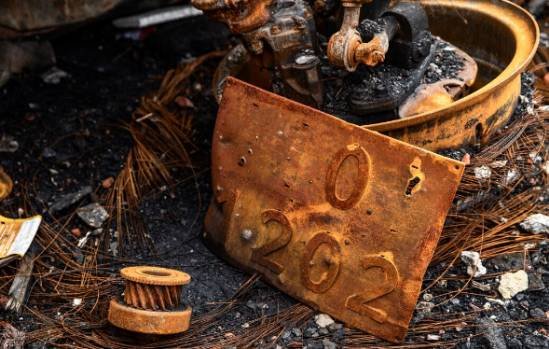
Not all scrap metals are created equal. Non-ferrous metals such as copper, aluminium, brass, and stainless steel generally fetch higher prices due to their scarcity and the complexity involved in their extraction and processing.
On the other hand, ferrous metals like iron and steel, although more commonly found, can also be recycled and sold for profit. Keeping abreast of market trends can help you understand the fluctuations in the prices of scrap metals.
Where to Find Scrap Metal
Scrap metal can be found in a plethora of places, from household items like appliances and electronics to industrial by-products and construction materials. Those looking to earn cash for scrap metal can search their homes, garages, or local businesses for items that are no longer in use and can be taken to a recycling centre.
Preparing Your Metal for Sale
Before taking your metal to a recycling facility, it is essential to prepare it properly to maximise your returns.
This preparation may include sorting the metals by type, cleaning them to remove any non-metal parts or contaminants, and even dismantling items into their component parts. Properly prepared scrap metal is often more valuable as it reduces the work required by the recycling facility.
How Recycling Centres Assess Your Scrap
Upon taking your scrap to a recycling centre, it will be weighed, and the type and purity of the metal will be assessed. This evaluation will determine the price you are paid. Advanced facilities may use high-tech equipment such as spectrometers to precisely identify metal types and their compositions, ensuring a fair and accurate price for your scrap.
The Role of Metal Recycling in Sustainable Development
Metal recycling plays a significant role in the sustainable development agenda. By providing an alternative to mining, recycling reduces the environmental damage caused by extraction processes.
It saves energy, reduces greenhouse gas emissions, and minimises the waste sent to landfills. Participation in metal recycling by communities and industries signifies a commitment to a greener future and sustainable business practices.
Recycling scrap metal is also part of a broader lifestyle shift toward consuming less and reducing waste. Many people adopt minimalist living ideas for beginners to simplify their homes while making environmentally responsible choices.
Choosing the Right Recycling Facility
When looking to earn cash for scrap metal, it is important to choose a reputable recycling facility. Facilities that are transparent about their pricing, have a good reputation in the community, and demonstrate environmental compliance are preferable. It is worth taking the time to research and possibly visit several centres to compare rates and services offered.
Legal and Ethical Considerations in Scrap Metal Recycling
Scrap metal recyclers must comply with local and national regulations related to the collection, processing, and transport of recycled metals.
This means ensuring proper documentation and adhering to environmental health and safety standards. Ethically, it is important for recyclers to source their metals responsibly and avoid contributing to metal theft, which is a concern in many areas.
Community and Economic Impact
The metal recycling industry provides jobs and drives local economies. By offering individuals the opportunity to earn cash for scrap metal, the industry stimulates economic activity and supports the livelihoods of families. Moreover, the environmental benefits resonate throughout communities, promoting cleaner surroundings and awareness of resource conservation.
Future Trends in Metal Recycling
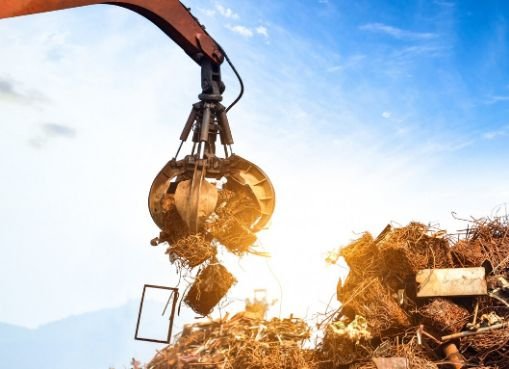
The future of metal recycling is bright, with technological advancements improving the efficiency of recycling processes. Innovations in sorting and processing methods increase the capacity for recyclers to handle a larger volume and variety of metals.
Furthermore, as global awareness of the importance of sustainable practices grows, the demand for recycled metals is likely to surge, creating more opportunities for individuals and businesses to profit from scrap metal.
Tips for Maximising Profits
To maximise profits when selling scrap metal, it is advisable to keep abreast of market prices, which can fluctuate daily. Collecting and separating metals into different types and grades can lead to better rates.
Additionally, building relationships with a reliable recycling centre can prove beneficial, as trustworthy buyers are essential for a positive scrap selling experience.
Conclusion
Earning cash for scrap metal is not only profitable but also environmentally responsible. It requires a basic understanding of the value of different metals, knowledge of where to find them, and information on how to prepare and sell them.
By participating in the metal recycling industry, individuals support sustainable development and contribute to a healthier planet. With the right approach and a commitment to due diligence, turning trash into treasure is within reach for many people.
Embrace the Cycle of Sustainability
In summary, metal recycling offers a unique opportunity to balance economic gain with environmental stewardship. Whether you are an individual with a few spare items or a business with regular scrap output, participating in metal recycling can be a rewarding endeavour. By opting to recycle, you can help turn waste into wealth and play a part in the vitally important cycle of sustainability.