
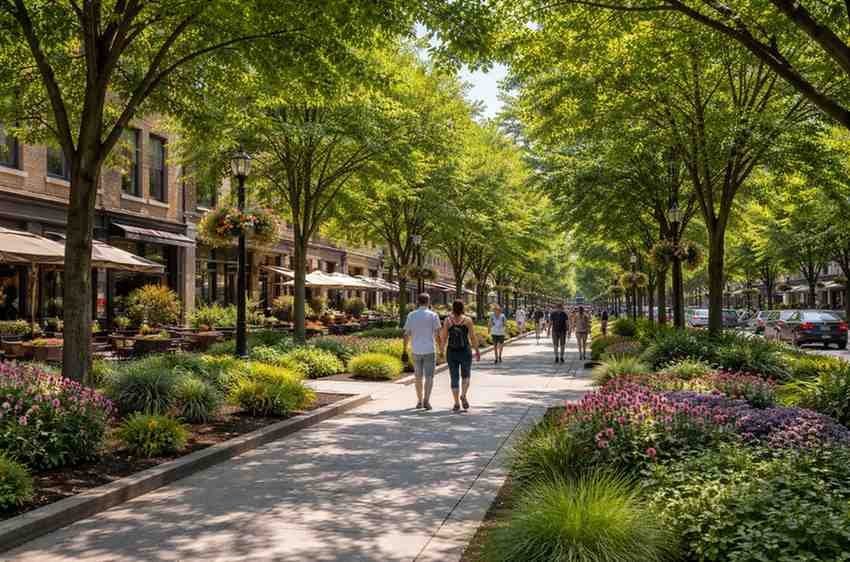
City living brings incredible conveniences, vibrant cultures, and endless opportunities. But the heavy reliance on concrete, asphalt, and steel often leaves urban areas lacking a crucial element: nature. As populations grow and city boundaries expand, the need to integrate green initiatives becomes more pressing.
Environmental projects designed for urban environments offer powerful solutions to pollution, rising temperatures, and shrinking habitats. These initiatives bring life back to concrete expanses, making neighborhoods healthier and more enjoyable for everyone. Let us explore six specific initiatives currently reshaping cities around the globe.
Rooftop Gardens and Green Roofs
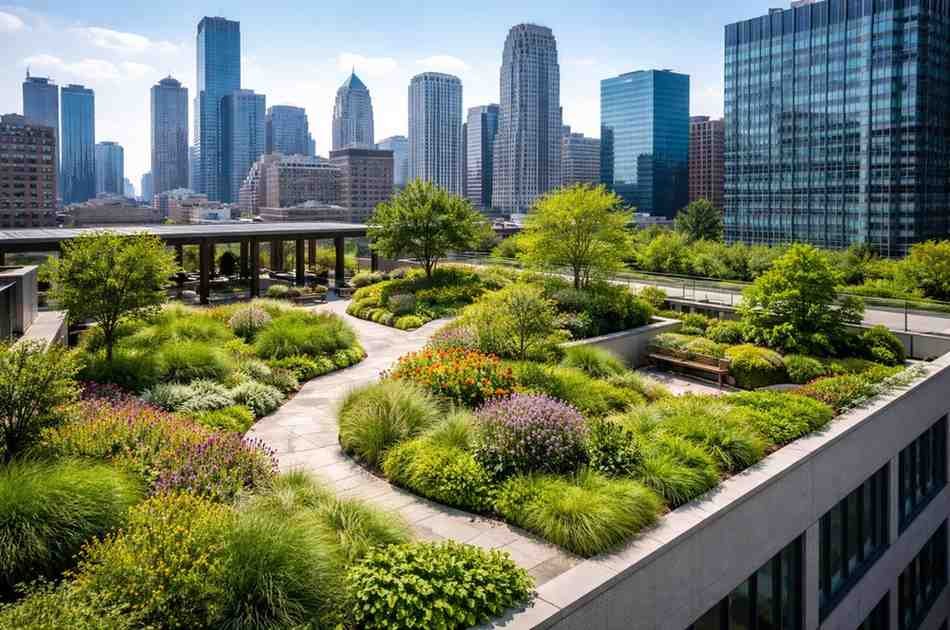
Unused vertical real estate provides a massive opportunity for environmental improvement. Green roofs replace traditional roofing materials with living vegetation. This simple swap delivers incredible benefits to the surrounding area. Plants absorb sunlight, which drastically reduces the urban heat island effect—a phenomenon where cities experience much higher temperatures than surrounding rural areas.
Rainwater gets captured by the soil, easing the burden on municipal drainage systems and preventing local flooding. Building owners also enjoy lower energy bills because the dense layer of soil and plant life acts as natural insulation against extreme weather.
Urban Canopy Management
A robust canopy serves as the lungs of a city. Planting new saplings along streets and in public squares filters harmful pollutants from the air and provides essential shade during the summer. However, maintaining a healthy canopy requires strategic planning. Sometimes, older, diseased, or hazardous trees pose a threat to public safety and surrounding vegetation.
Responsible urban forestry includes careful monitoring and, when necessary, targeted intervention. For example, professional tree removal in Salt Lake City helps local authorities manage pest infestations and clear the way for more resilient, native species to thrive. This cycle of planting and managing ensures the canopy remains vigorous for future generations.
Rain Gardens and Bioswales
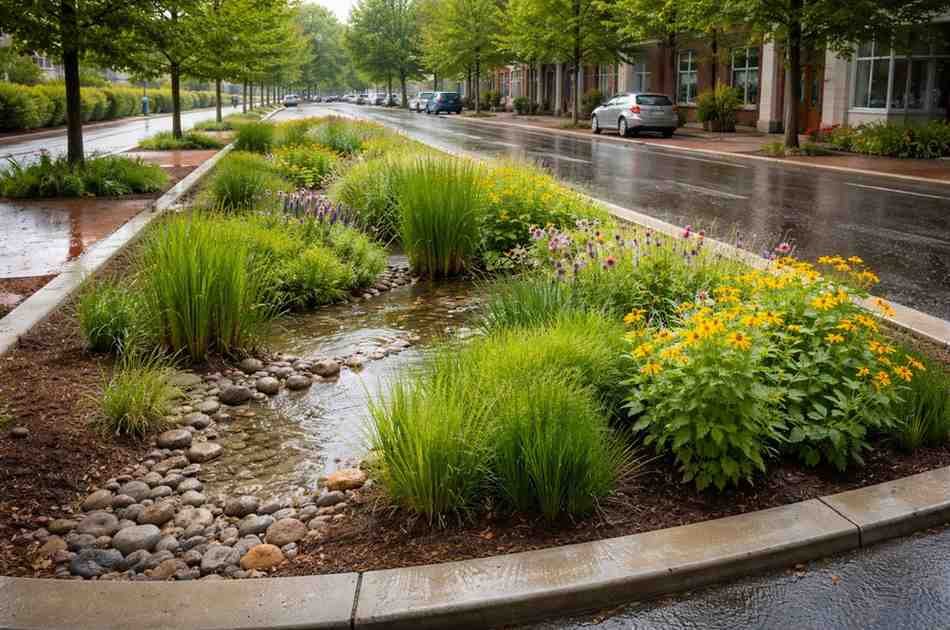
Stormwater runoff creates significant issues for densely populated areas. When rain hits impermeable surfaces like roads and sidewalks, it gathers pollutants before rushing into local waterways. Rain gardens and bioswales solve this problem naturally. These shallow, vegetated basins are strategically placed near streets and parking lots to catch runoff.
Native plants and specially engineered soils filter out oils, heavy metals, and trash. The water slowly percolates back into the ground, recharging local aquifers instead of overwhelming storm sewers with contaminated liquid.
Transforming Abandoned Infrastructure
Many cities possess outdated industrial sites, disused railway lines, or empty lots. Visionary urban planners now transform these neglected spaces into thriving public parks. New York’s High Line serves as a famous example, but municipalities everywhere are adopting similar strategies to reclaim abandoned areas.
By repurposing existing structures, cities save money and preserve historical character while adding critical green acreage. These restored areas offer safe pedestrian pathways, support local biodiversity, and provide residents with accessible recreational zones that improve overall mental and physical well-being.
Community Urban Agriculture
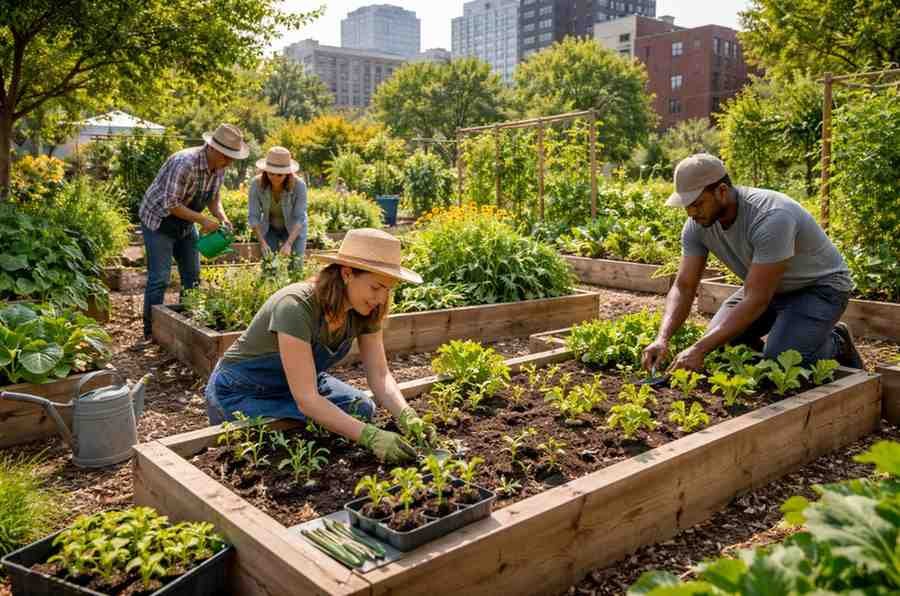
Local food production is taking root in the heart of major metropolitan areas. Urban farms and community gardens convert vacant lots into productive agricultural spaces. These projects address food deserts by supplying fresh, affordable produce to nearby residents who might otherwise lack access to healthy options. It supports simple lifestyle systems for busy people.
They also foster a strong sense of community. Neighbors gather to plant, maintain, and harvest crops, sharing knowledge and building relationships. The vegetation improves local air quality, and the healthy, actively managed soil absorbs significant amounts of carbon dioxide.
Permeable Pavements and Green Streets
Traditional pavement creates a hard barrier between the atmosphere and the earth. Green streets utilize permeable materials that allow water to seep through the surface. Porous asphalt, pervious concrete, and interlocking pavers reduce puddling and prevent dangerous flash floods during heavy rainstorms.
When paired with increased street-level vegetation, these materials naturally cool the immediate environment and reduce the strain on aging city infrastructure. Urban planners increasingly mandate permeable surfaces for new parking lots, alleyways, and sidewalks to create a more resilient network.
Building Greener, Resilient Neighborhoods
The integration of nature into urban planning represents a necessary shift in how we design our living spaces. Concrete and steel will always form the backbone of a modern metropolis, but vegetation must serve as its beating heart. Implementing these projects requires collaboration between city officials, environmental experts, and local residents.
As communities push for better air quality, improved water management, and access to natural beauty, these environmental projects will continue to gain momentum. Supporting local green initiatives and advocating for sustainable urban policies can help transform any city into a thriving, sustainable ecosystem that benefits everyone.