
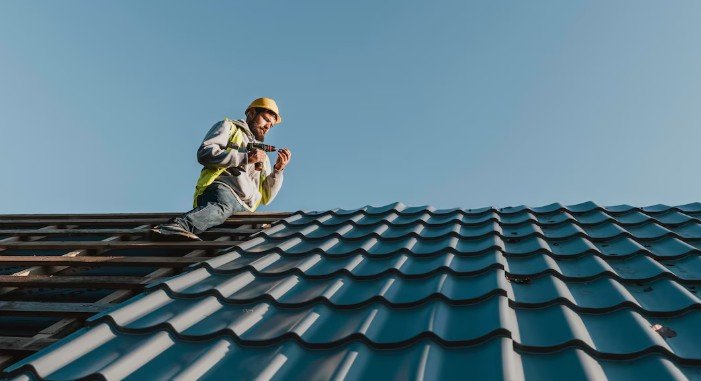
Your roof plays a crucial role in protecting your home from the elements. It shields your property from rain, wind, heat, and debris while helping maintain energy efficiency and structural stability. However, like any other part of your home, roofs do not last forever. Over time, wear and tear can compromise their effectiveness, making replacement necessary.
Knowing how to recognize the signs of a failing roof can help you avoid costly repairs and protect your home from serious damage. Here are some key indicators that it may be time to replace your roof.
Age of the Roof
One of the first factors to consider is the age of your roof. Most roofing materials have a limited lifespan. Asphalt shingles, which are the most common roofing material, typically last between 20 and 25 years. Metal roofs can last 40 to 70 years, while tile roofs may last even longer.
If your roof is approaching or has exceeded its expected lifespan, it may be time to start thinking about replacement. Even if it still appears to be in decent condition, aging materials can deteriorate quickly and lead to sudden problems.
Curling or Missing Shingles
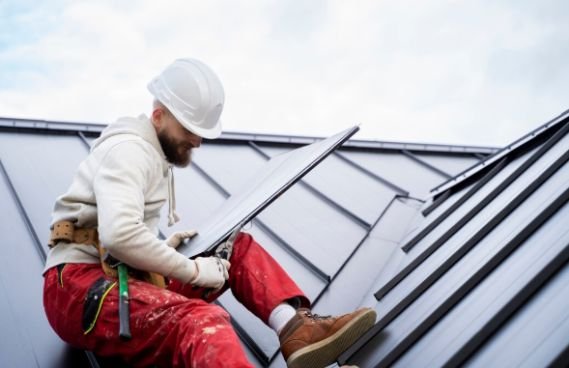
Shingles are designed to lie flat and create a protective barrier against the weather. When they begin to curl, crack, or go missing, your roof becomes vulnerable to leaks and water damage.
Curling shingles often indicate that the material is aging and losing its effectiveness. Missing shingles, on the other hand, can expose the underlying structure of the roof to rain and moisture. If you notice these issues across multiple areas of your roof, a replacement may be more cost-effective than ongoing repairs.
Granules in the Gutters
Asphalt shingles are coated with protective granules that help shield them from the sun’s ultraviolet rays. Over time, these granules may begin to wear away.
If you notice an unusual amount of granules collecting in your gutters or around your downspouts, it could be a sign that your shingles are deteriorating. Once these granules are gone, the shingles become more vulnerable to weather damage and may no longer provide adequate protection.
Frequent Leaks or Water Damage
Water leaks are one of the most obvious signs that your roof may need replacing. While an isolated leak might be fixed with a repair, repeated leaks can signal deeper issues with the roof’s structure.
Look for warning signs inside your home such as water stains on ceilings, peeling paint, mold growth, or damp spots in the attic. These issues may indicate that water is penetrating the roof and causing damage to the underlying materials.
Ignoring these signs can lead to serious structural problems and costly repairs down the road.
Sagging Roof Sections
A sagging roof is a serious issue that should never be ignored. It often indicates structural damage caused by prolonged moisture exposure, rotting wood, or weakened support beams.
If you notice areas of your roof that appear uneven or drooping, it is important to contact a roofing professional immediately. In many cases, a sagging roof requires a full replacement to restore the safety and stability of your home.
Rising Energy Bills
Your roof plays an important role in regulating your home’s temperature. When roofing materials begin to deteriorate, they may allow heat or cold air to escape more easily.
If you notice a sudden increase in your heating or cooling costs, your roof could be contributing to the problem. Poor insulation and ventilation caused by an aging roof can make it harder for your home to maintain a comfortable temperature.
Replacing the roof can improve energy efficiency and help lower monthly utility bills.
Planning for a Roof Replacement
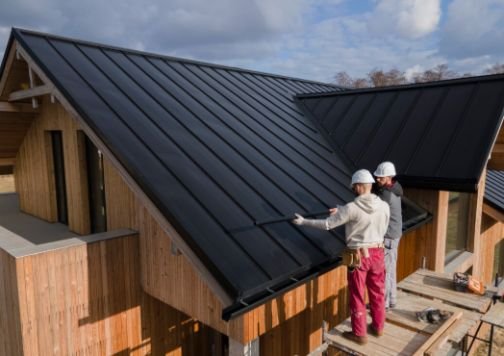
Replacing a roof is a significant investment, but it is one that protects your home and increases its long-term value. Many homeowners begin planning ahead by setting aside savings or exploring financing options. For example, some homeowners may consider using a home equity loan in Utah to help cover the cost of major home improvements such as a roof replacement.
Planning your project carefully ensures that the work can be completed without unnecessary financial stress. I also recommend exploring practical ways to manage home upgrade costs, like using ideas from how to decorate on a budget, which can help balance expenses while improving your living space.
Final Thoughts
Your roof is one of the most important components of your home, and recognizing the warning signs of deterioration can help you take action before serious damage occurs. From aging materials and curling shingles to leaks and rising energy bills, these indicators should never be ignored.
Regular inspections and timely replacement can extend the life of your home, protect your belongings, and give you peace of mind during every season. If you suspect your roof may be nearing the end of its lifespan, consulting a qualified roofing professional is the best way to determine the right next steps.