
Indoor plants aren’t just decorative—they bring life, color, and a sense of calm into your home. But keeping them healthy can sometimes feel tricky. From choosing the right soil to understanding watering needs and light requirements, proper care is essential. With a little TLC (tender loving care), your indoor garden can flourish, even in apartments or rooms with limited sunlight. Here’s a practical guide to help you keep your indoor plants thriving.
Watering: Quality Over Quantity
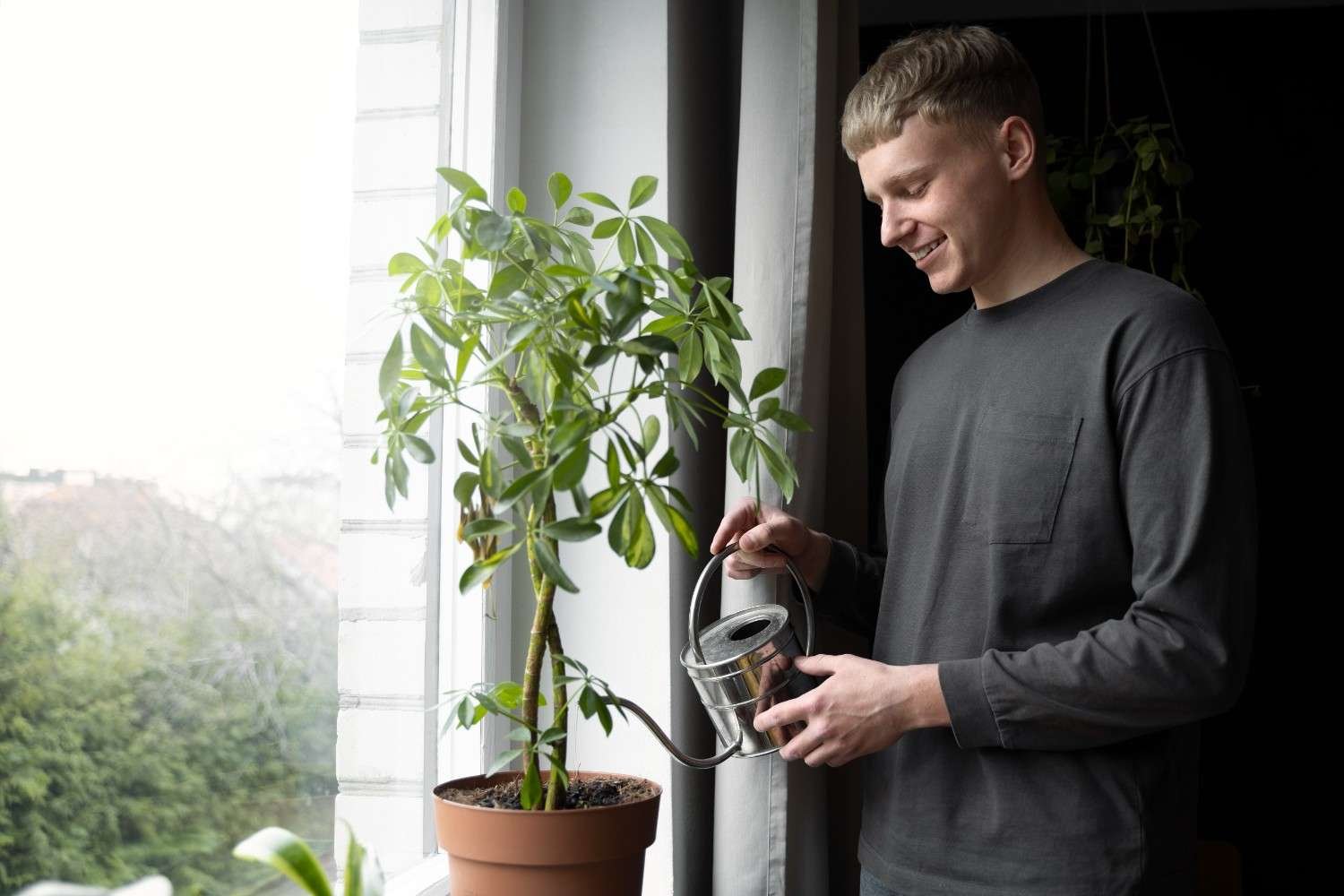
One of the most common mistakes in indoor plant care is overwatering. Each plant species has its own water needs, so it’s important to know what your plants require. Most indoor plants prefer the soil to dry slightly between waterings. A good rule of thumb is to check the top inch of soil—if it feels dry, it’s time to water.
Water deeply but infrequently to encourage strong root growth. When watering, make sure the excess water can drain away. Standing water can lead to root rot, which is a leading cause of indoor plant death. Using a well-draining potting mix is essential, and adding a layer of small bark nuggets can improve aeration and prevent soil compaction. For those in Salt Lake City, local garden centers offer high-quality small bark nuggets that can make a real difference in your plant’s health.
Light: Let There Be Sun
Light is critical for photosynthesis, which is how plants produce energy. Most indoor plants thrive in bright, indirect sunlight. Placing plants near a window with filtered light is ideal. However, not all plants require the same amount of light. Low-light plants like snake plants or pothos can tolerate darker corners, while sun-loving plants like succulents and fiddle-leaf figs need several hours of bright light each day.
Rotate your plants occasionally so all sides receive equal light. This prevents uneven growth and keeps your plants looking balanced and full. For rooms lacking natural light, consider investing in a grow light. These specialized lamps provide the full spectrum of light plants need, helping them thrive even in apartments or offices.
Feeding and Fertilizing: Nourishment Matters
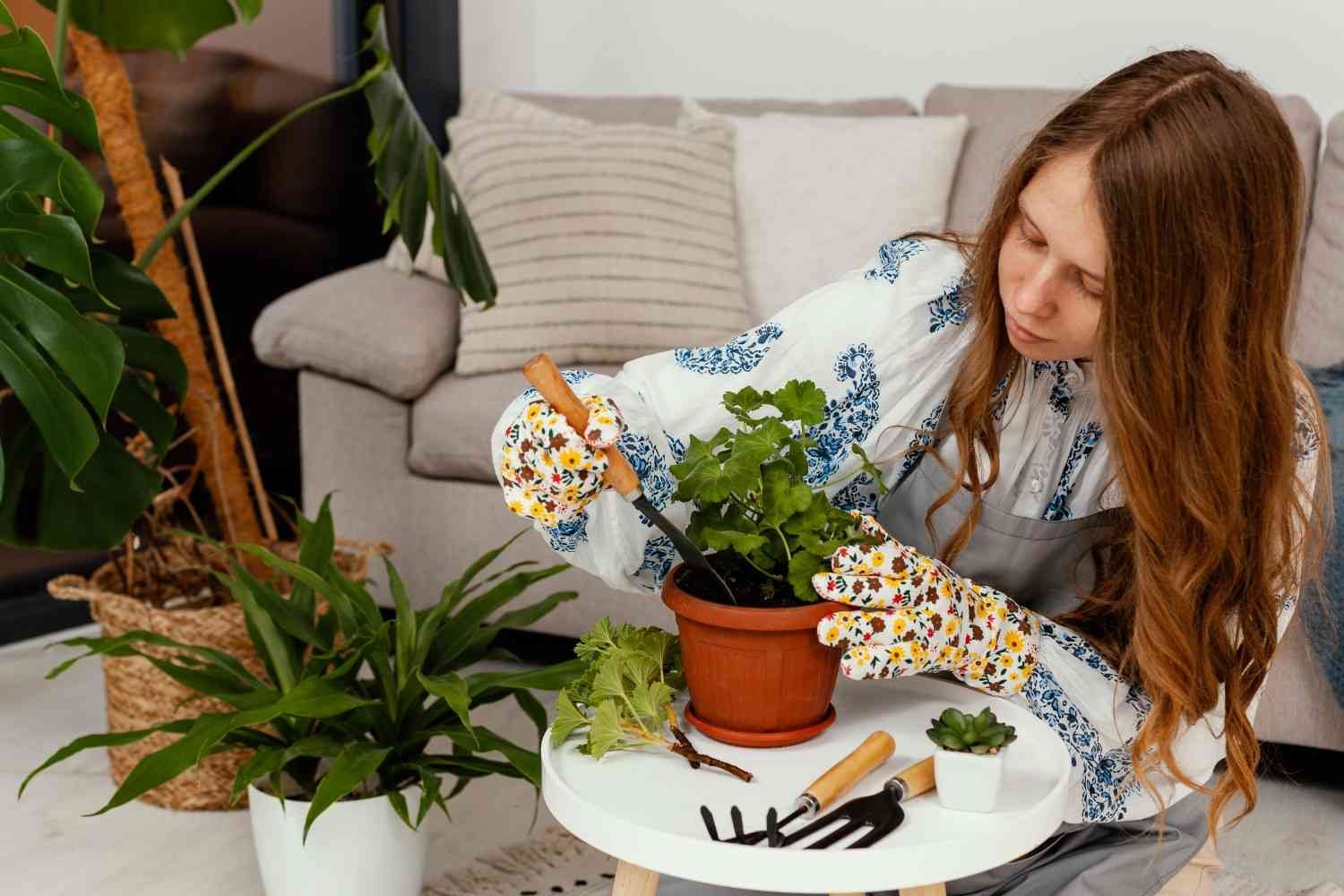
Indoor plants may not get all the nutrients they need from soil alone. Regular fertilization helps keep them healthy and vibrant. Use a balanced, water-soluble fertilizer every 4–6 weeks during the growing season, usually spring and summer. Reduce feeding in fall and winter, as most plants slow down growth.
Always follow the instructions on the fertilizer package. Over-fertilizing can burn roots and damage plants, while under-fertilizing may result in slow growth or pale leaves. Organic options like compost teas or diluted fish emulsion provide gentle nourishment and help create a healthier indoor environment.
Humidity and Temperature: The Comfort Zone
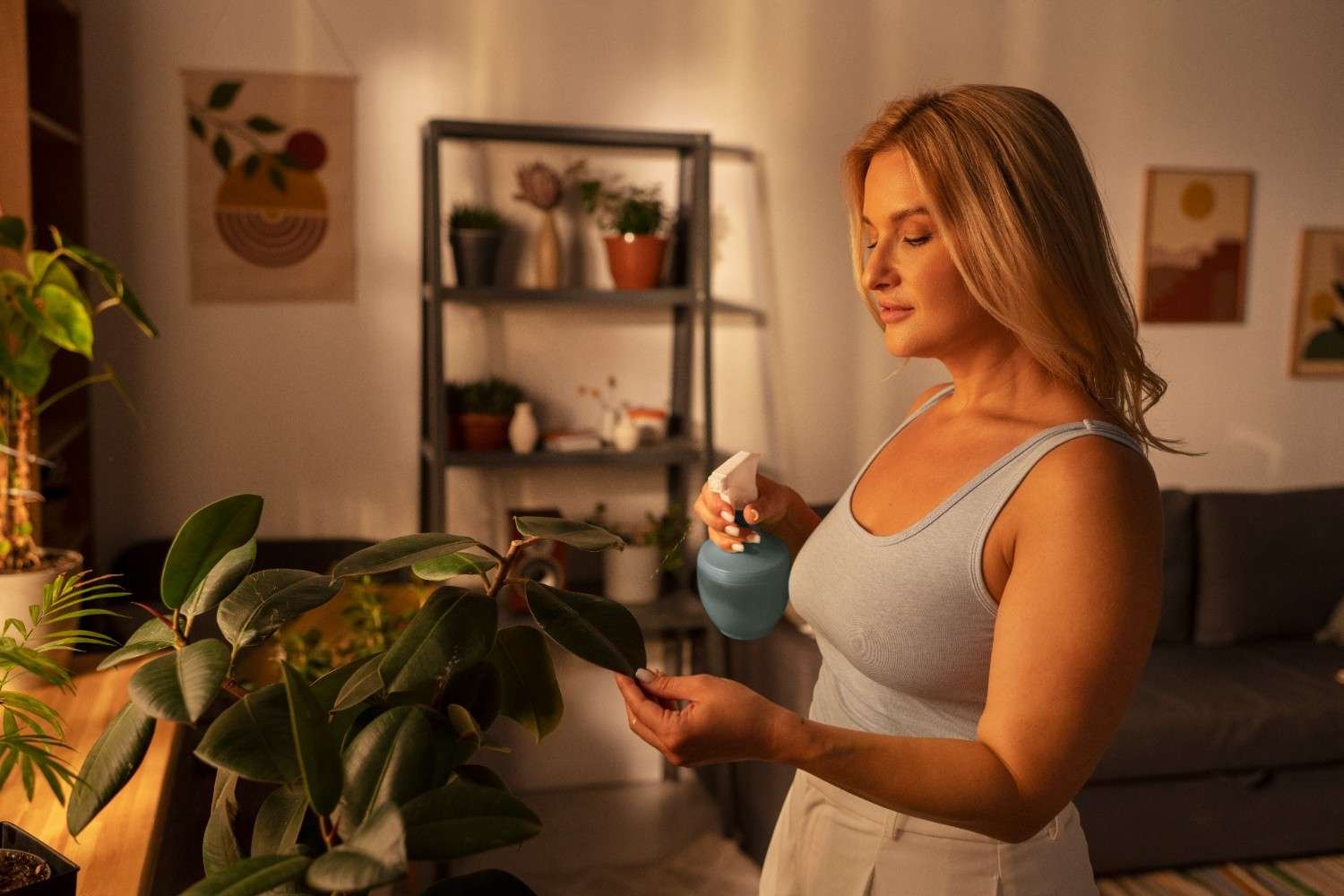
Most indoor plants prefer moderate temperatures between 65°F and 75°F and humidity levels of 40–60%. Dry indoor air, especially in winter, can cause leaves to brown at the edges. To increase humidity, mist your plants regularly, use a pebble tray with water, or place a small humidifier nearby. Grouping plants together can also create a microclimate, improving humidity naturally.
Keep plants away from drafts, heaters, and air conditioners, which can stress them and stunt growth. Understanding your plant’s ideal temperature range helps ensure they stay comfortable year-round.
Love and Attention: The Secret Ingredient
Indoor plant care doesn’t have to be complicated. With proper watering, adequate light, appropriate fertilization, and a little love, your plants can transform any space into a green sanctuary. Adding small touches, like a layer of small bark nuggets, can improve soil health and drainage, making your indoor garden even more resilient.
Investing in your plants’ well-being is rewarding, especially when crafting dream home environments filled with life and comfort. Not only do you enjoy a fresher, more vibrant space, but you also reap the mental health benefits of nurturing living things. So grab your watering can, move your plants to the sunniest spots, and give them the TLC they deserve. Your indoor jungle will thank you with beauty and serenity all year long.