
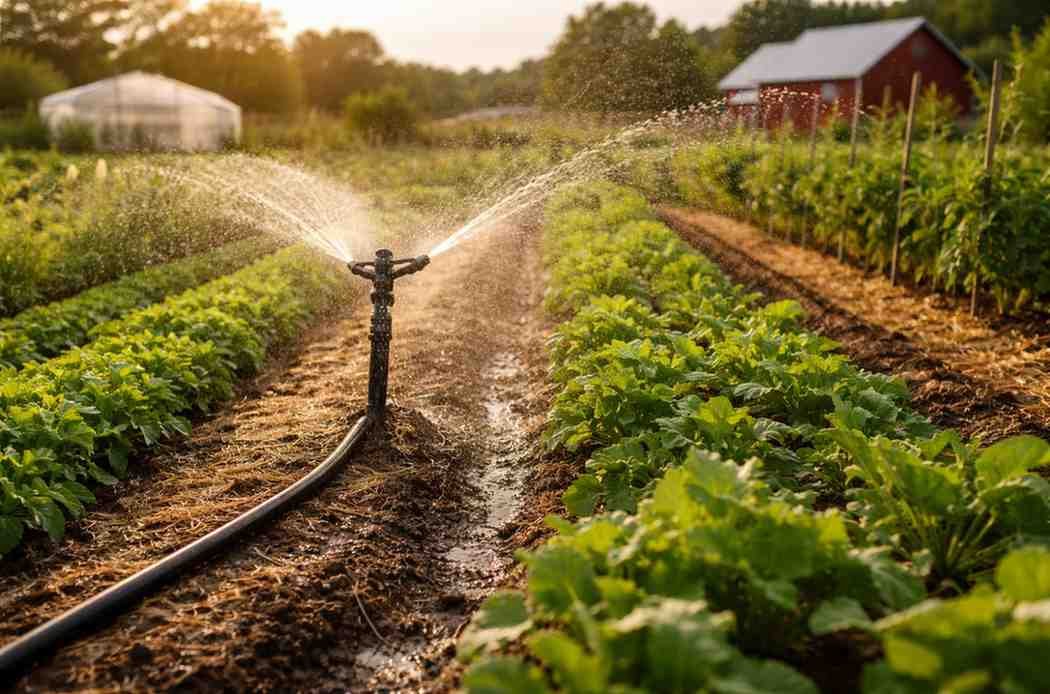
Managing water effectively stands as one of the most critical responsibilities for any small farm or ranch owner. Efficient irrigation directly impacts crop health, livestock well-being, and overall operational costs. For smaller agricultural enterprises, every drop of water counts. Implementing strategic watering practices helps conserve this vital resource and ensure your soil retains the nutrients needed for robust harvests. By understanding your land’s specific needs and adopting smart water management practices, you can improve efficiency and build a more resilient agricultural operation.
1. Choose the Right Irrigation System
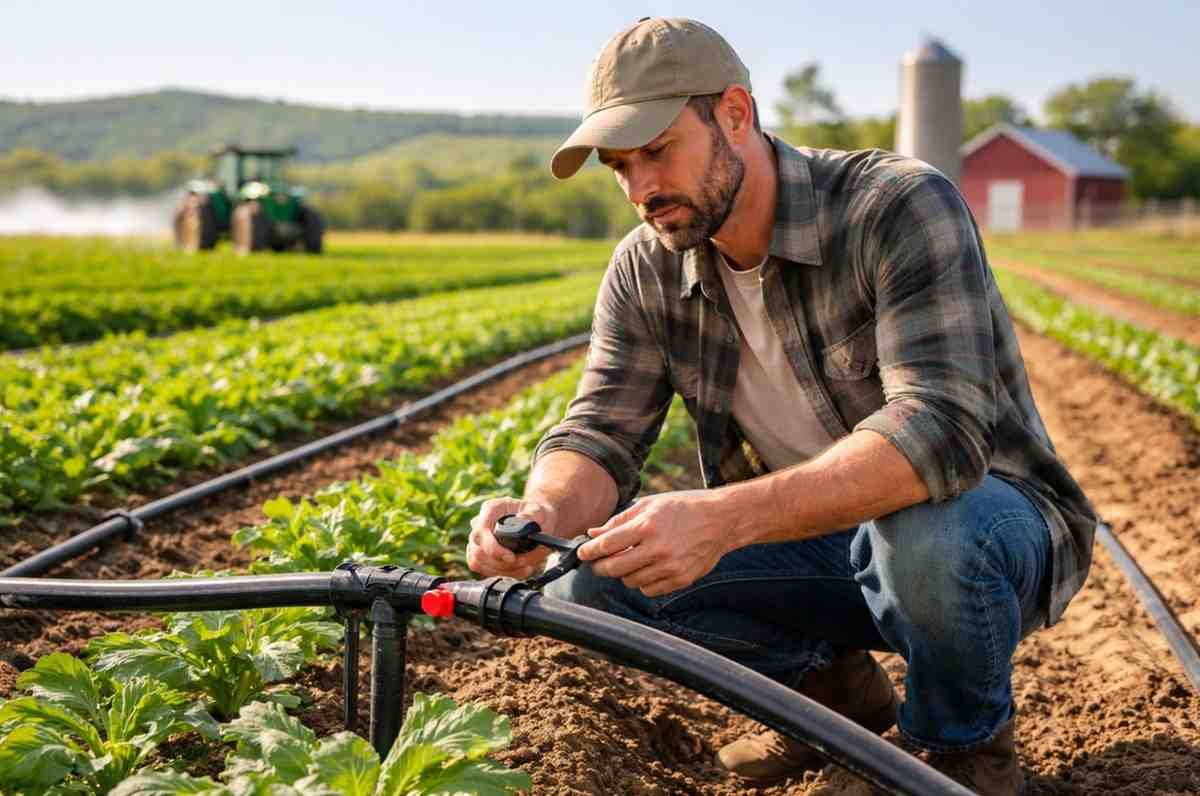
Selecting the appropriate irrigation method for your specific crops and terrain forms the foundation of water efficiency. Drip irrigation systems deliver water directly to the base of the plant, significantly reducing evaporation and runoff. This method works exceptionally well for row crops, vegetables, and orchards. Conversely, if you manage pastures or large, densely planted areas, overhead sprinklers might provide more uniform coverage. Take the time to evaluate the topography of your land and the water requirements of your crops before investing in infrastructure. Matching the system to your farm’s unique profile minimizes water waste and lowers utility expenses.
2. Monitor Soil Moisture Levels
Guesswork often leads to overwatering or underwatering, both of which stress plants and deplete resources. Installing soil moisture sensors eliminates guesswork from your irrigation schedule. These devices measure soil volumetric water content, providing accurate data on when your crops need hydration. By regularly checking these sensors, you can adjust your watering schedule based on actual soil conditions rather than relying strictly on a calendar or visual surface cues. This data-driven approach prevents waterlogging, protects root systems from rot, and conserves water during unexpected periods of rain or high humidity.
3. Maintain Your Equipment Regularly
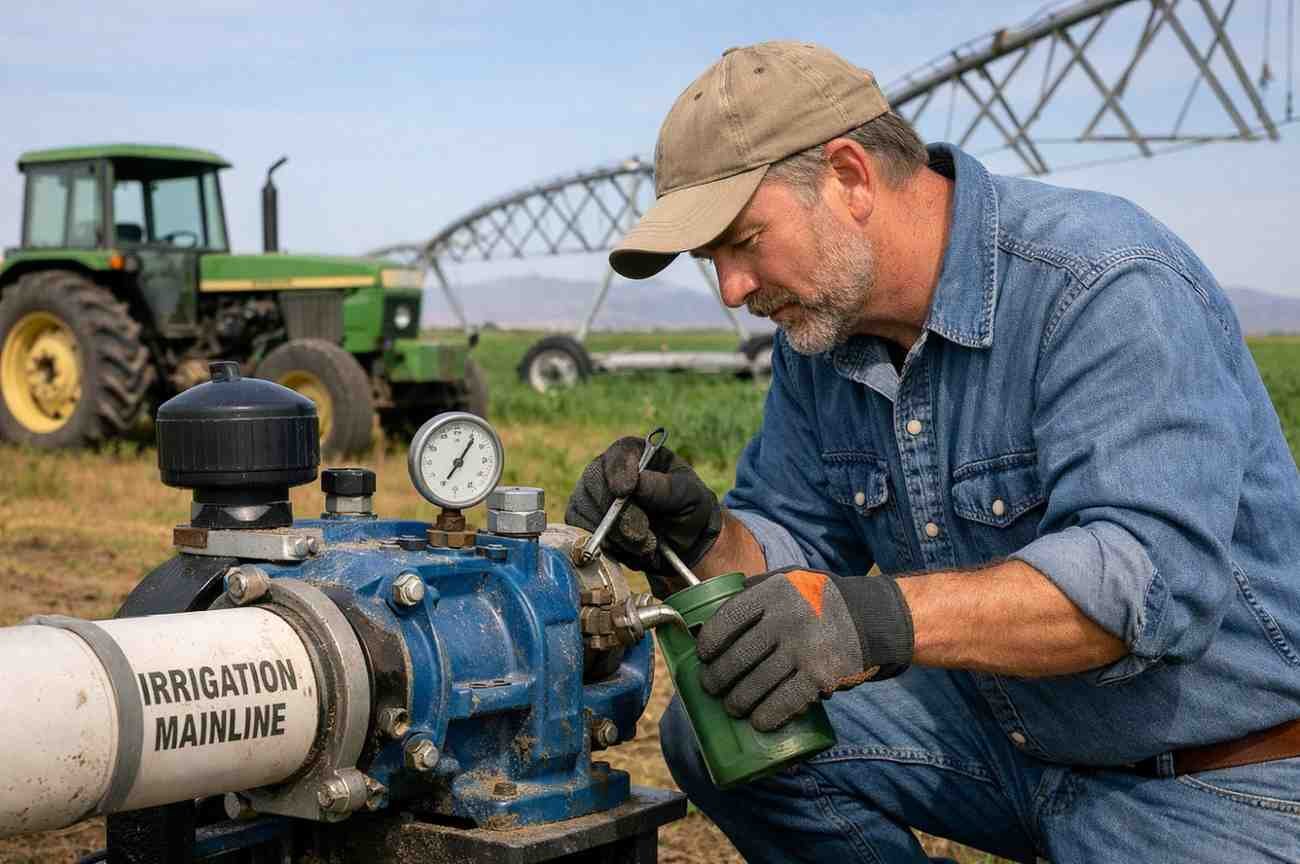
Even the most advanced irrigation system will fail if it falls into disrepair. Leaks, clogged nozzles, and worn-out pumps can waste thousands of gallons of water over a single growing season. Establish a routine maintenance schedule to inspect hoses, valves, and sprinkler heads. Address minor leaks immediately before they escalate into major blowouts. The heart of your system also requires careful attention. For instance, maintaining water well pumps in Utah and similar arid regions is crucial for ensuring a consistent water supply during the dry summer months. Regular servicing extends your equipment’s lifespan and ensures water reaches your crops efficiently.
4. Water During the Cooler Parts of the Day
Timing plays a massive role in irrigation efficiency. Watering during the peak heat of the afternoon leads to significant evaporation, so a large share of the water never reaches the root zone. Instead, schedule your irrigation cycles for the early morning or late evening. Early-morning watering is generally considered optimal because cooler temperatures allow water to penetrate deeply into the soil. Furthermore, watering in the morning allows foliage to dry as the sun rises, helping prevent fungal diseases that thrive in prolonged damp conditions.
5. Implement Mulching and Soil Conservation
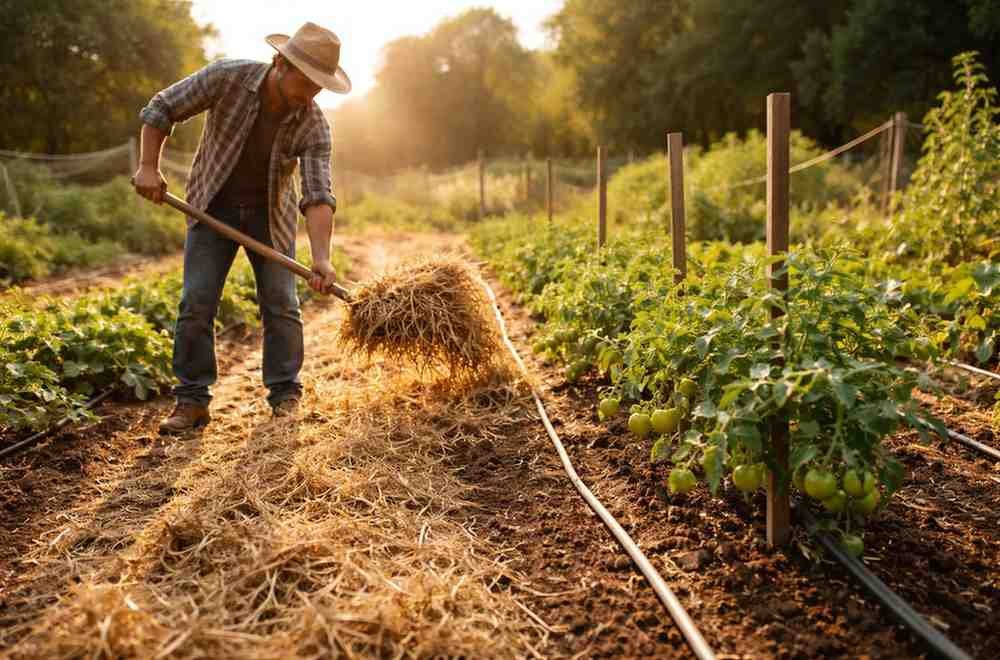
Healthy soil acts like a sponge, retaining moisture longer and reducing the need for irrigation. Applying an organic mulch layer around the base of your plants significantly decreases surface evaporation and suppresses thirsty weeds that compete with your crops for water. Materials such as straw, wood chips, or compost make excellent mulch. Additionally, practicing no-till farming or planting cover crops during the off-season improves soil structure. Better soil structure increases water infiltration rates, meaning less water runs off the surface and more is absorbed into the ground, where roots of environmental projects can access it.
6. Zone Your Crops Based on Water Needs
Planting crops with similar hydration requirements in the same area—a practice known as hydro-zoning—streamlines your irrigation efforts. If you plant a thirsty vegetable crop right next to drought-tolerant herbs, one of them will suffer under a uniform watering schedule. Grouping plants with similar needs allows you to run separate irrigation lines and customize watering durations for each zone. This targeted approach prevents overwatering the drought-resistant plants while ensuring the high-water crops receive exactly what they need to thrive.
Applying these practical strategies will help you build a more sustainable and productive environment for your agricultural pursuits. Careful planning, routine maintenance, and an understanding of your local soil and climate conditions remain the best tools for mastering farm irrigation.