

Starting a business often starts with a single flash of inspiration. You sketch a logo on a napkin, brainstorm catchy names, and suddenly, you are ready to quit your day job. The excitement is entirely natural. But turning that initial spark into a sustainable company requires grounding your enthusiasm in practical preparation.
Validate Your Idea with Market Research
A brilliant idea only translates into a successful business if people are willing to pay for it. You must confirm that a genuine market demand exists. Start by identifying the specific problem your product or service solves.
Look closely at your potential competitors. Analyze what they do well and where their offerings fall short. Reading customer reviews on competitor products can reveal gaps in the market that your business can fill. Conduct surveys, host focus groups, or interview potential customers to gather direct feedback on your proposed solution.
Draft a Realistic Financial Plan
Cash flow is the lifeblood of any new enterprise. Running out of money is a primary reason startups fail within their first year. You need a comprehensive financial plan that outlines your expected startup costs, from equipment and inventory to marketing software and legal fees. Start by understanding the cash flow, for example in a digital product business.

Create a cash flow projection for your first twelve months. Estimate your monthly expenses and compare them against your projected sales revenue. Be conservative with your income estimates and generous with your expense estimates. If you identify a funding gap, explore your financing options early. You might look into local grants, angel investors, or regional options like online loans in Idaho to secure the necessary operating capital.
Choose the Right Legal Structure
Your business structure impacts everything from your daily operations to your personal liability and tax obligations. The most common structures include sole proprietorships, partnerships, limited liability companies (LLCs), and corporations.
An LLC is often a popular choice for new business owners because it protects your personal assets if your company faces legal trouble or debt. A sole proprietorship is simpler to set up but offers zero personal liability protection. Consult with a business attorney or a certified public accountant to determine which entity type best serves your long-term goals. Once you decide, register your business name and acquire any necessary federal, state, and local licenses.
Develop a Minimum Viable Product (MVP)
Perfection is the enemy of progress when you are trying to get a business off the ground. Instead of spending months polishing a final product in secret, focus on creating a minimum viable product. An MVP includes only the core features necessary to solve your customer’s primary problem.
Releasing an MVP allows you to gather real-world data quickly. You can observe how actual users interact with your offering and listen to their feedback. This iterative process helps you refine the product based on actual user behavior rather than untested assumptions. It saves you from investing heavy resources into features nobody actually wants.
Build a Basic Brand Identity
You need a professional face for your company before you launch. A basic brand identity establishes trust and gives potential customers a way to recognize you. This identity includes your primary logo, color palette, typography, and the overall voice you use to communicate.
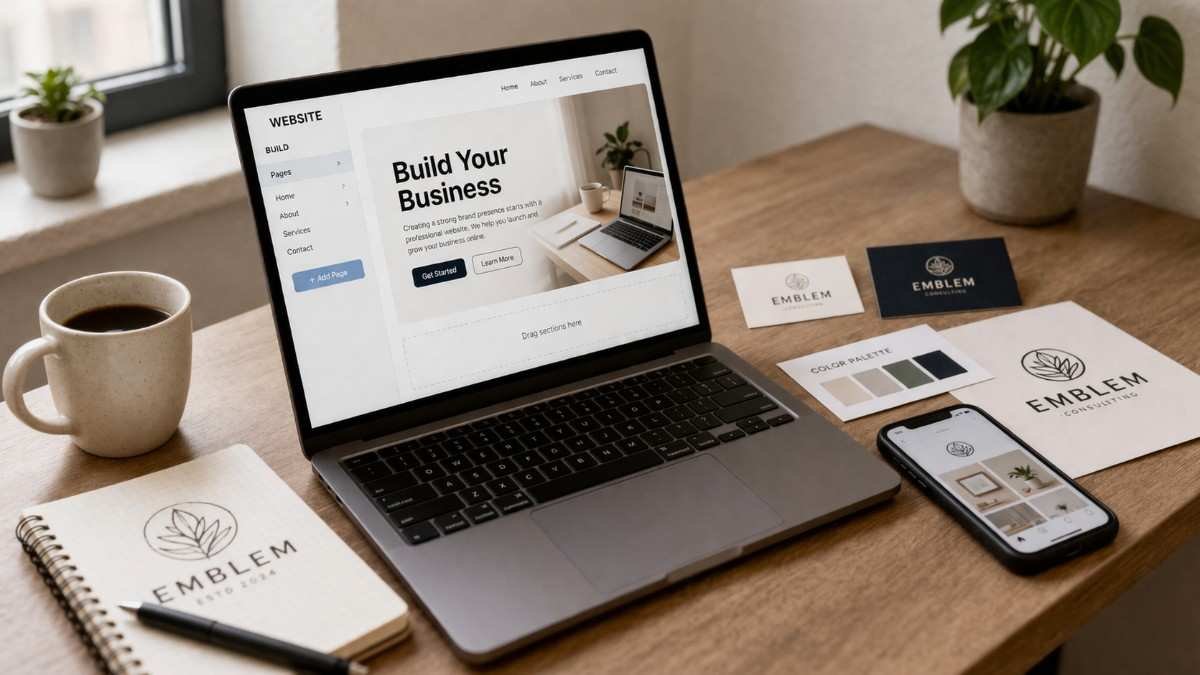
Establish an online presence early. Secure your domain name and set up a clean, functional website. It does not need to be complex; a simple landing page explaining your upcoming product and capturing email addresses is highly effective. Claim your business handles on the major social media platforms where your target audience spends their time.
Identify Your Audience and Marketing Strategy
Selling to everyone usually results in selling to no one. You must define your core target audience clearly. Determine their demographics, interests, buying habits, and primary pain points. The more specific you get, the easier it becomes to reach them.
Outline a simple, focused marketing strategy to attract these specific individuals. Choose one or two marketing channels to start, such as organic search engine optimization or targeted social media advertising. Set clear, measurable goals for your initial launch phase. Knowing exactly how you plan to attract your first ten, fifty, or one hundred customers will give you serious momentum on opening day.
Conclusion
Preparation builds the foundation for long-term business survival. Taking the time to research your market, organize your finances, and structure your company legally sets you up for sustainable growth. Entrepreneurship is inherently risky, but methodical planning reduces those risks significantly. Keep refining your approach based on customer feedback, and tackle your launch with confidence.