

Stepping into the world of electric vehicles (EVs) or plug-in hybrids is incredibly exciting. You are likely looking forward to waving goodbye to gas stations, reducing your carbon footprint, and enjoying that signature, silent acceleration.
The marketing makes it look seamless, but making the switch to a clean car is a massive lifestyle shift.
While salespeople love to highlight the tech features and fuel savings, they often gloss over the practical daily adjustments.
Transitioning away from internal combustion engines requires a brand-new vocabulary and a different way of thinking about your daily commute.
Before you sign the paperwork, it helps to look past the shiny dashboard displays. Here is the unvarnished truth about what it is actually like to own your very first clean car.
1. Public Charging Can Be a Major Headache
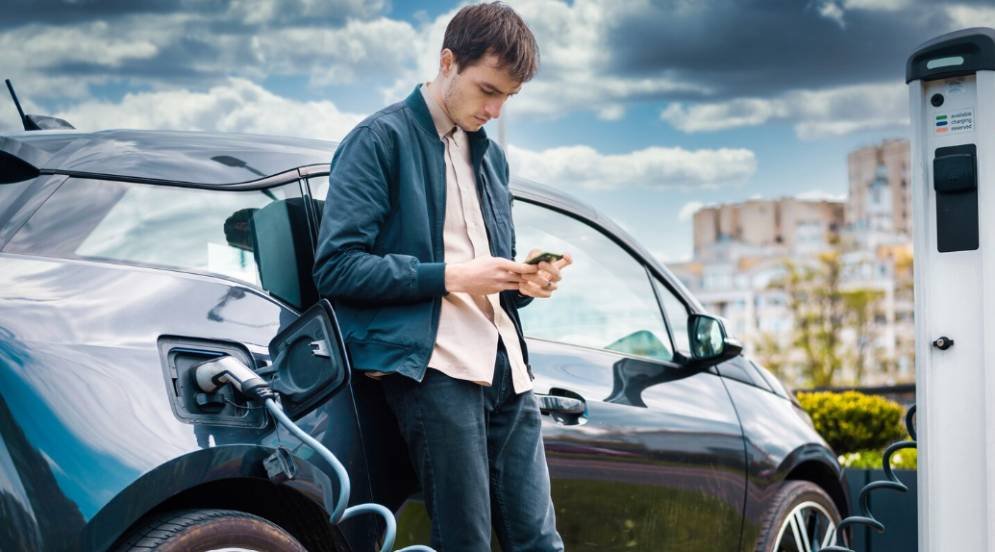
The dream is simple: pull up to a sleek highway charger, plug in, grab a coffee, and hit the road ten minutes later.
The reality on the ground can be starkly different. Public charging infrastructure is growing rapidly, but it still feels a bit like the Wild West.
You will quickly find out that you need half a dozen different smartphone apps just to pay at different charging networks.
Broken screens, slow charging speeds, and long lines of waiting vehicles are common sights at popular public stations.
Until fast-charging networks become as reliable as traditional gas pumps, you have to plan your long-distance road trips with precision. You cannot just wing it anymore; you need to map out your stops well in advance.
2. Your Home Electrical Panel Dictates Your Charging Speed
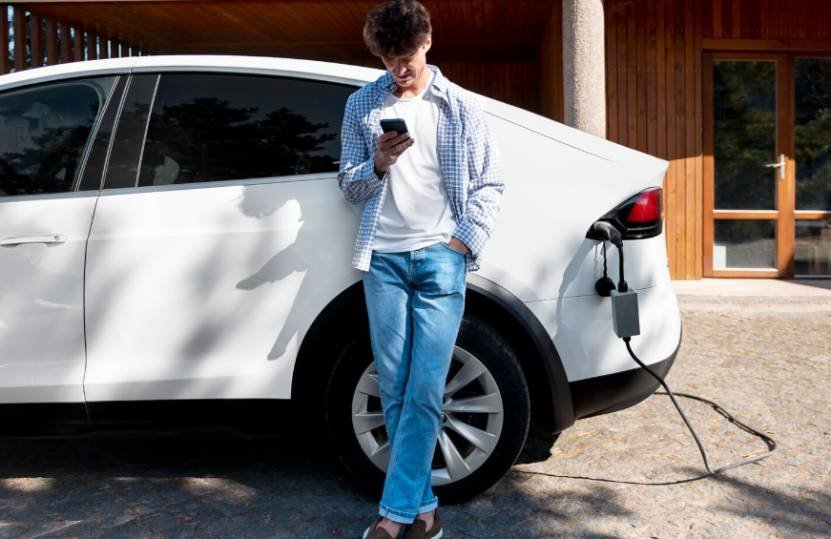
Most new EV owners assume they can just plug their car into a standard wall outlet in the garage. While you can technically do this, it is painfully slow, often adding only three to four miles of range per hour of charging.
To get a full charge overnight, you absolutely need a Level 2 home charging station.
Installing a Level 2 charger requires a dedicated 240-volt circuit, much like a clothes dryer. This is where many older homes run into a serious bottleneck.
If your home’s electrical panel is already maxed out, you might need a comprehensive electrical system upgrade before you can safely install the charger.
Preparing your home for a clean car is not just about installing a charger; it is about making sure your property is ready for long-term use and maintenance.
Just as homeowners invest in professional tree care services to protect outdoor spaces and prevent future problems, EV buyers should review their electrical setup before bringing a new vehicle home.
If you suspect your home isn’t ready for the power draw, it is smart to consult local professionals. Investing in trusted electrical maintenance services in Riverton can help you evaluate your current panel capacity and ensure your home infrastructure can handle the new vehicle safely.
3. Cold Weather Will Absolutely Wreck Your Range
If you live in a region that experiences true winter weather, prepare for a shock when the temperature drops. Electric vehicle batteries hate the cold just as much as humans do.
When the freezing weather hits, lithium-ion batteries become less efficient at storing and releasing energy. To make matters worse, running the cabin heater to stay warm draws power directly from that same battery, rather than utilizing recycled engine heat like a gas car does.
Do not be surprised if your driving range drops by twenty to thirty percent during the dead of winter. It does not mean your car is broken; it is just a physical reality of battery chemistry that you have to factor into your winter travel plans.
4. The True Cost of Tires Will Surprise You
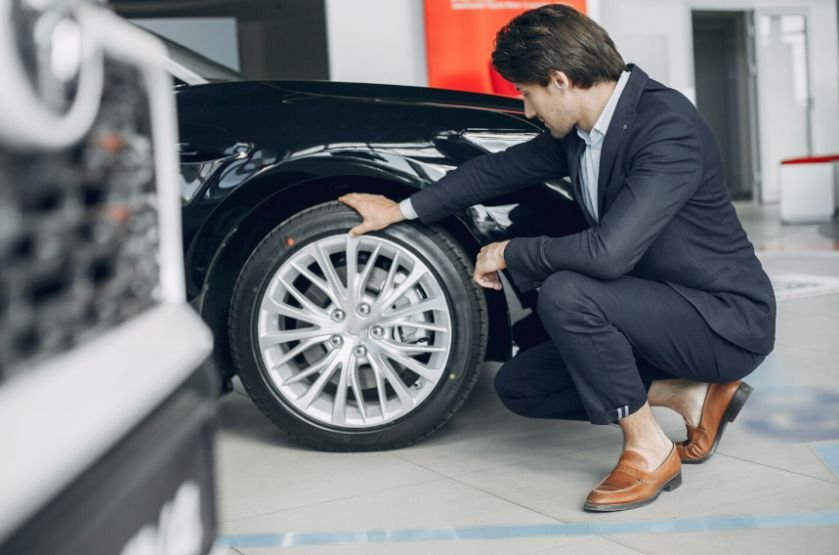
When calculating the total cost of ownership, everyone remembers to calculate the savings on oil changes and spark plugs. Almost no one accounts for the tires, which wear down significantly faster on a clean car.
Electric vehicles are incredibly heavy because battery packs weigh thousands of pounds. On top of that weight, EVs deliver instant torque, meaning the electric motor transfers maximum power to the wheels the second you step on the pedal.
This heavy weight combined with aggressive acceleration puts an immense amount of friction on your tires. You will likely find yourself replacing your tires much sooner than you did on your old gas vehicle, and specialized EV tires often carry a premium price tag.
5. You Will Become Obsessed with Efficiency Regimes
Driving a gas car breeds a certain level of carelessness; when the tank gets low, you simply pull over for a five-minute refill. Driving a clean car completely rewires your brain, introducing you to a phenomenon known as range anxiety.
You will find yourself constantly staring at the battery percentage on your dashboard, watching how minor variables alter the numbers.
Sudden accelerations, heavy cargo, and driving at high speeds on the highway all drain the battery noticeably faster.
Over time, this changes how you drive. You will find yourself coasting more often to take advantage of regenerative braking, which feeds energy back into the battery when you slow down.
It turns driving into a strategic efficiency game. For new race car owners focus on better control and smarter driving habits, clean car ownership teaches you to think more carefully about speed, range, and efficiency.
Conclusion
Buying a clean car is an excellent investment in the future, but it requires a willingness to adapt to a new set of rules.
From upgrading your home power grids to managing winter battery loss, the ownership experience is defined by preparation and lifestyle adjustments.
The key to loving your first electric vehicle is entering the transaction with your eyes wide open. Once you master the learning curve and adjust your daily habits, the quiet ride and environmental benefits make the transition entirely worthwhile.