
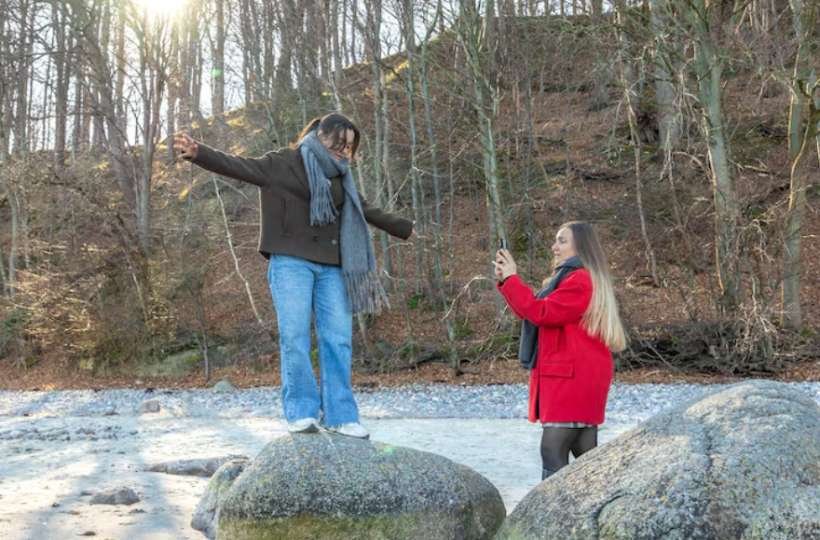
Think back to your childhood or your most defining life moments, and there is a high probability that many of them took place outside.
Perhaps it was the scent of pine needles after an afternoon rainstorm, the sound of a crackling campfire against a silent night, or the exhaustion of reaching a windswept mountain peak.
Decades later, these wilderness experiences often remain remarkably vivid, while routine indoor activities blur together into a forgettable haze.
Human memory is highly selective, but it treats time spent in nature with unique reverence. Environmental psychologists and neuroscientists have long studied why the brain anchors outdoor adventures so deeply within our consciousness.
As it turns out, the preservation of these moments is not a coincidence; it is the result of how our brains interact with natural environments. Here is an exploration of the elements that cause outdoor memories to stand the test of time.
Multisensory Engagement and Cognitive Anchoring
In everyday modern life, our senses are often flattened by digital screens and predictable indoor environments. We navigate climate-controlled rooms and look at two-dimensional surfaces for hours on end.
This lack of sensory variety can lead to a phenomenon known as time compression, where days blend together because the brain lacks distinct sensory milestones to differentiate them.
Nature, conversely, delivers a symphony of sensory inputs that forces the brain to form rich cognitive anchors.
When you step into the wild, your mind simultaneously processes the drop in temperature, the tactile texture of rough granite underfoot, the smell of damp earth, and the visual geometry of an expansive horizon.
This intense multisensory stimulation activates the hippocampus—the brain region responsible for processing memory—more robustly than a sedentary indoor environment.
The more senses involved in an experience, the more neural pathways are created, making the memory far easier to retrieve years later.
Novelty, Adventure, and the Breakdown of Routine

The human brain is an evolutionary pattern-recognition machine. When an environment is familiar and predictable, the brain shifts into an energy-saving autopilot mode, filtering out repetitive information.
This is why you rarely remember your daily commute or a standard evening spent on the living room sofa.
Outdoor expeditions inherently disrupt this predictability. Every trail introduces a new curve, every campsite presents a fresh layout, and the weather introduces constant, dynamic variables.
This continuous novelty forces the brain into a state of hyper-awareness. Because you must actively pay attention to where you step, how you pitch your shelter, or how the wind is shifting, your mind records these novel details with incredible precision.
The Logistics of Shared Comfort and Connection
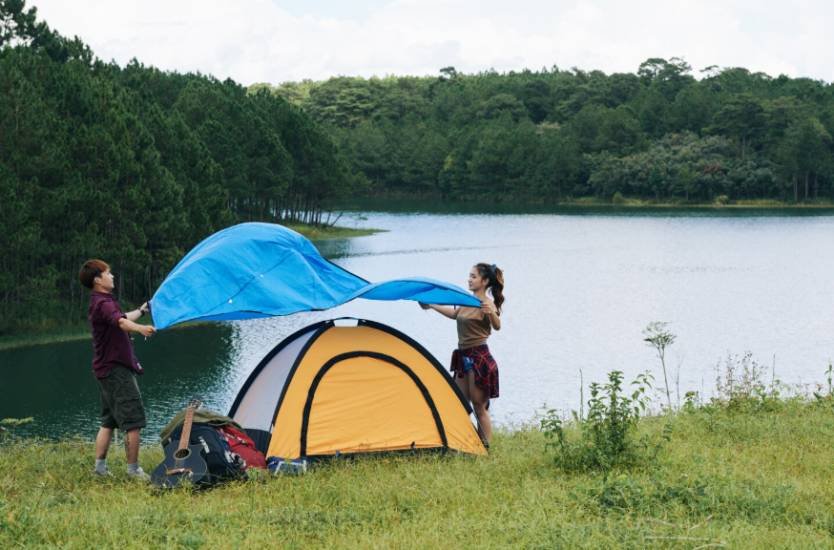
While the natural landscape provides the backdrop, the social structure of an outdoor trip heavily influences how those memories are archived.
Some of the most enduring outdoor recollections involve the shared routines of camp life—the cooperative effort of preparing a meal after a long day of hiking or gathering closely under a canopy during an unexpected downpour.
The same desire for meaningful shared comfort also explains why many homeowners are embracing the staycation trend homeowners love as a way to create relaxing, memory-filled spaces without leaving home.
How we choose to shelter during these trips plays a significant role in creating a comfortable environment for these connections to flourish.
For many families and groups, upgrading from sleeping on the damp ground to an elevated, communal base camp layout changes the entire dynamic of the trip.
Utilizing a functional pop up tent trailer offers a perfect balance between deep wilderness immersion and physical recovery.
It provides a dry, spacious gathering hub where everyone can sit together, escape the elements, and recount the day’s events. By removing the physical exhaustion of a poor night’s sleep, adventurers can focus entirely on the social bonding and storytelling that cements a trip into collective memory.
The Type-II Fun Phenomenon and Overcoming Adversity

In the world of outdoor adventure, enthusiasts often categorize fun into different tiers. “Type-I fun” is enjoyable while it is happening—like eating an ice cream cone or riding a smooth downhill bike trail. “Type-II fun,” however, is miserable while it is happening but glorious in retrospect.
Think of a time you got caught in a sudden downpour, took a wrong turn on a trail and hiked three extra miles, or struggled to light a fire with damp wood.
In the moment, these situations cause stress and discomfort. Yet, because adversity triggers the release of adrenaline, it stamps the experience deeper into your memory.
The same awareness that helps people adapt outdoors can also help homeowners reduce weather-related home problems before storms, moisture, or seasonal changes create bigger issues.
When you successfully navigate these challenges with friends or family, the brain reframes the hardship into a triumphant narrative of resilience. The shared struggle turns a simple weekend trip into a legendary family story that is told for generations.
Conclusion
Outdoor memories do not endure simply because nature is beautiful; they last because the wilderness challenges and stimulates our biology in ways the modern built environment cannot.
Through rich multisensory input, the disruption of daily routines, the triumph of overcoming minor environmental hardships, and the deep bonds formed in shared shelters, the outdoors forces us to remain fully present.
By stepping away from digital distractions and embracing the unpredictable elements of the natural world, we give our brains exactly what they need to build stories, connections, and memories that endure for a lifetime.