
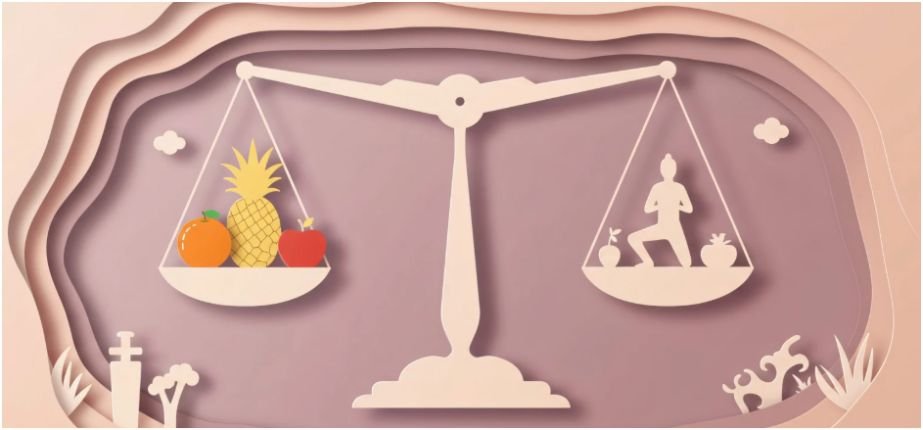
If you’ve ever felt overwhelmed by all the diet fads out there, you’re not alone. With so many conflicting ideas about what’s “healthy,” it’s easy to feel confused. That’s where the balanced lifestyle diet plan comes in — it’s not about drastic changes or cutting out entire food groups, but about embracing a simple, practical approach to eating that works with your life.
I’ve found that a balanced lifestyle diet plan doesn’t require extreme willpower or fancy cooking skills. Instead, it’s all about moderation, variety, and eating nutrient-dense foods. Here’s how you can approach a diet plan that’s both healthy and sustainable.
What Is a Balanced Lifestyle Diet Plan?

In short, a balanced lifestyle diet plan focuses on making sure your meals are full of the right nutrients without over-relying on any single food group. You don’t need to cut out the foods you love; it’s about incorporating a variety of whole, minimally processed foods into your routine and eating in moderation.
Think of it as a framework that you can adjust according to your preferences and schedule. It’s a way to nourish your body without stressing over every calorie or ingredient. And trust me, it makes a big difference in how you feel day-to-day.
What Should You Include in a Balanced Lifestyle Diet Plan?
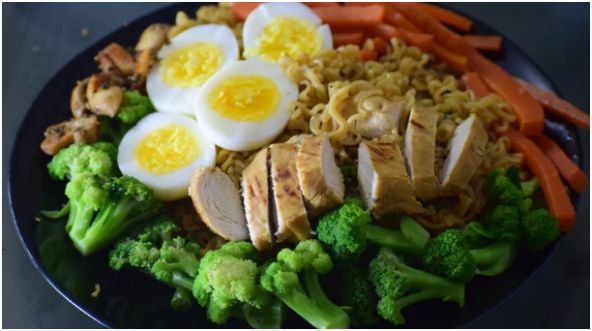
A balanced diet doesn’t need to be complicated. Here’s what I focus on when planning my meals:
Vegetables & Fruits: A Colorful, Nutrient-Packed Foundation
Vegetables and fruits are the stars of any balanced diet. They provide essential fiber, vitamins, and antioxidants that help prevent chronic diseases and keep you energized. My goal is to aim for at least 5 servings a day. And no, it doesn’t always have to be a salad. I mix up my meals with roasted veggies, fruit smoothies, and veggie-packed stews or curries.
Incorporating a variety of colorful produce into your meals not only keeps things interesting but also ensures you get a range of nutrients. You can easily snack on fruit, toss veggies into a stir-fry, or add leafy greens to a sandwich or wrap.
Whole Grains: Fuel Your Body with Lasting Energy
I’ve found that choosing whole grains instead of refined grains gives me better and longer-lasting energy. Whole grains like brown rice, oats, quinoa, and whole wheat bread are loaded with fiber, which aids digestion and keeps you fuller for longer. Plus, they’re packed with B vitamins and essential minerals.
Try swapping out white rice for quinoa or using whole-wheat bread for your sandwiches. I love starting my day with oatmeal topped with nuts and fruit or adding quinoa to salads for a hearty, satisfying meal.
Lean Proteins: Building Blocks for Strong Muscles and Repair
Protein is essential for building and repairing muscle, and if you’re following a balanced diet plan, it’s important to get enough. I balance plant-based proteins (like lentils, beans, and tofu) with lean animal proteins (like chicken, fish, and eggs). Whether you’re vegan, vegetarian, or omnivore, you have plenty of protein-rich options that can fit seamlessly into your diet.
For example, I’ll often make a tofu stir-fry or a veggie-packed lentil stew. Lean meats like grilled chicken or salmon are also great for quick and easy meals.
Healthy Fats: Essential for Hormone Health and Recovery
Healthy fats aren’t the enemy — in fact, they’re vital for overall health. Healthy fats from sources like avocados, chia seeds, and nuts support hormone health, brain function, and recovery. I love adding a spoonful of peanut butter to my smoothies or topping my toast with mashed avocado.
When cooking, I opt for olive oil or avocado oil over butter, which adds flavor and healthy fat without the heaviness. Don’t shy away from these fats; they’re just as important as the other macronutrients.
Hydration: Keeping Your Body Running Smoothly
I cannot stress this enough: staying hydrated is key. Our bodies are around 60% water, and hydration is crucial for metabolism, nutrient transport, and digestion. I aim for 6–8 glasses of water a day, though I find that drinking herbal teas or coconut water also counts toward my hydration goal. Keeping a reusable water bottle handy is my trick to staying on track.
How Can You Plan Your Meals for the Week?
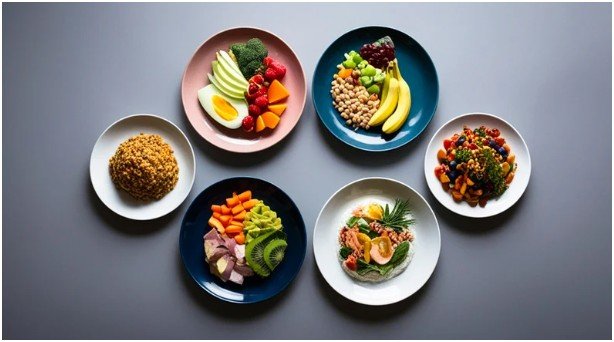
When it comes to meal planning, I keep it simple. It doesn’t require hours in the kitchen or spending too much money. Here’s a sample 7-day meal outline that I often use to keep myself on track:
| Day | Breakfast | Lunch | Dinner |
| Mon | Oatmeal with fresh berries & nuts | Grilled chicken salad with whole-grain bread | Baked salmon with roasted sweet potato |
| Tue | Vegetable omelet & whole-grain toast | Brown rice with lentil curry | Stir-fried tofu with steamed broccoli |
| Wed | Smoothie (spinach, banana, chia seeds) | Whole-wheat pasta with tomato & veggies | Grilled fish with quinoa & sautéed greens |
| Thu | Greek yogurt with granola & fruit | Paneer curry with mixed veg salad | Vegetable soup with a whole-grain roll |
| Fri | Scrambled eggs with avocado toast | Rice with sambar & steamed vegetables | Lean chicken stew or vegetable stir-fry |
| Sat | Poha with vegetables & nuts | Quinoa with stir-fried chickpeas | Baked white fish with kale and lemon |
| Sun | Whole-grain pancakes with fruit | Turkey sandwich on whole rye bread | Roasted chicken with asparagus & potatoes |
This simple structure allows me to prep a variety of meals that are nutrient-dense, satisfying, and fit into my lifestyle. Plus, there’s enough room to swap things out based on what I’m feeling or what’s in season.
How to Make Your Balanced Diet Work for You
If you’re ready to make a balanced diet plan work for you, here’s a simple step-by-step guide to get started:
1. Start Slow and Focus on Variety
You don’t have to change everything at once. Begin by replacing one meal a day with a nutrient-dense option, such as swapping white rice for quinoa. Gradually build up to include more whole grains, veggies, and healthy fats.
2. Listen to Your Body
Pay attention to how different foods make you feel. Are you energized after a big salad? Do you feel sluggish after a high-sugar snack? Tune in to your body’s signals, and adjust accordingly.
3. Make It Fun
Don’t turn healthy eating into a chore. Try new recipes, discover new vegetables, or create fun smoothies. When you enjoy your food, you’re more likely to stick with it.
4. Don’t Forget About Hydration
I can’t stress this enough: water is your best friend. Set reminders to drink regularly, and try adding flavor with fresh lemon or cucumber if you find plain water too boring.
FAQ: Your Most Common Questions Answered
1. How do I start a balanced lifestyle diet plan if I’m new to healthy eating?
Start with small changes, like replacing a few processed foods with fruits, veggies, and whole grains. Focus on gradually increasing the variety in your meals, and remember, it’s about moderation — not perfection. Listen to your body, and keep things fun!
2. Can I still eat my favorite foods on a balanced diet?
Absolutely! A balanced diet isn’t about depriving yourself. It’s about moderation. You can still enjoy treats, but aim to balance them with nutrient-dense meals. For example, if you love pizza, try making a veggie-loaded version on whole-wheat crust.
3. How do I make my meals more filling without adding extra calories?
The key is fiber. Load up your meals with veggies, beans, and whole grains. These foods are not only low in calories but also rich in fiber, which helps you feel full longer. Plus, they’re packed with nutrients!
Time to Take Action!
You’re ready to embrace a balanced lifestyle diet plan — one that nourishes your body and keeps you feeling your best. It doesn’t require drastic changes, just small, manageable shifts in your habits. With the right mindset and a bit of planning, you’ll start seeing results and feeling amazing in no time.
Remember: Healthy eating doesn’t need to be complicated. Keep it simple, stay consistent, and enjoy the process!