

I love books. I always have. I highlight passages, save quotes, and stack titles on my nightstand like they might magically fix my life. But the moment I truly understood how life teaches better than books was the moment everything I had read stopped helping.
Life doesn’t wait for you to finish a chapter. It hands you the situation first and watches how you respond. No glossary. No footnotes. Just consequences and emotions you can’t skim past.
Books gave me language. Life gave me understanding. And once I noticed the difference, I stopped treating experience as something to survive and started treating it as my real education.
Why does life test you before it explains the lesson?

In books, the lesson comes first and the test comes later. In life, the test shows up unannounced. You react before you think. You speak before you plan. Then you replay the moment a hundred times afterward.
That reversal changes everything. When I failed at something I thought I understood, it stuck with me longer than any theory ever had. I didn’t just know better next time. I felt better prepared.
That’s one of the biggest reasons how life teaches better than books feels so undeniable. The lesson arrives wrapped in emotion, memory, and consequence. You don’t forget it because your nervous system remembers it for you.
How do emotions turn experiences into permanent learning?
Books can describe grief, fear, love, and resilience beautifully. But they can’t make your chest tighten or your stomach drop. Life does that instantly.
I didn’t understand resilience until I failed publicly. I didn’t understand boundaries until I burned out. I didn’t understand empathy until someone disappointed me and I had to choose how to respond.
Those moments rewired me. They didn’t just add information. They changed my behavior. That’s the difference between knowing something and becoming someone who lives it. This is where how life teaches better than books becomes impossible to argue with.
Why can’t real skills be learned without real-world messiness?
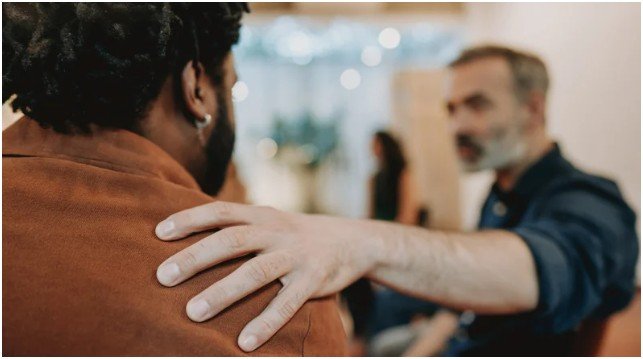
Some skills refuse to live on paper. Difficult conversations. Workplace conflict. Leadership. Negotiation. Confidence under pressure.
I read about these skills for years. Then life put me in situations where I had to use them badly before I could use them well. No book prepared me for the awkward pauses, the emotional reactions, or the unexpected twists.
Life builds muscle memory. You learn timing, tone, and intuition through repetition and mistakes. That kind of learning sticks because it lives in your body, not just your brain.
How does unpredictability make life a better teacher than books?
Books follow a structure. Life does not care about structure.
I learned adaptability not from reading about it, but from plans falling apart. From curveballs that forced me to improvise. From realizing that control is mostly an illusion.
Life teaches flexibility because it refuses to cooperate. You learn to respond instead of react. You learn to adjust instead of resist. And those lessons transfer everywhere—work, relationships, and self-trust.
This is another reason how life teaches better than books feels so obvious once you notice it. Life trains you for reality, not ideal scenarios.
Why do lived lessons last longer than theoretical knowledge?
I’ve forgotten plenty of things I read. I’ve forgotten almost nothing I lived.
Pain, joy, embarrassment, pride—these emotions act like glue. They attach lessons to memory. That’s why experience leaves marks that theory can’t.
When learning carries emotional weight, it doesn’t fade. It becomes part of how you move through the world. That permanence is something books alone rarely achieve.
How does life teach values that books struggle to explain?
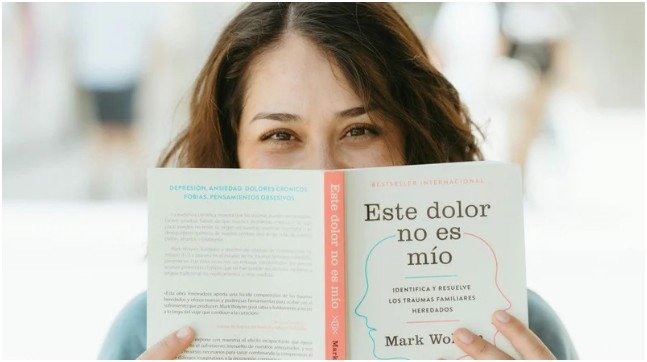
Books can explain ethics. Life teaches character.
I learned integrity by watching how people behaved when no one was watching. I learned empathy by hurting someone unintentionally and sitting with the discomfort. I learned loyalty by choosing people over convenience.
These lessons didn’t come with explanations. They came with moments. And those moments shaped who I became far more than any moral framework I ever read.
How I use everyday life as my main learning system
I stopped waiting for clarity before acting. I treat experiences like experiments now.
I reflect after hard conversations. I notice patterns in my reactions. I ask myself what worked, what didn’t, and what I’ll try next time.
This mindset turned daily life into my classroom. That shift made learning feel natural instead of forced. It’s one of the most practical ways to live out how life teaches better than books.
How to turn everyday experiences into real learning
Step 1: Let the experience happen fully
Don’t rush to explain it away. Stay present, even when it’s uncomfortable. Notice your reactions and emotions.
Step 2: Reflect while it’s still fresh
Write or think through what happened, how you felt, and why it mattered. Reflection turns experience into insight.
Step 3: Name the lesson clearly
Ask yourself what this moment taught you about people, boundaries, effort, or yourself. Clarity locks it in.
Step 4: Test the lesson next time
Apply what you learned in a new situation. This closes the learning loop and builds confidence.
Life vs books: where each one actually shines
| Aspect | Books | Life |
| Speed of learning | Predictable | Immediate |
| Emotional impact | Low to moderate | High |
| Skill development | Conceptual | Practical |
| Memory retention | Short-term | Long-term |
| Character building | Indirect | Direct |
Books give structure. Life provides depth. The magic happens when they work together.
FAQ: How life teaches better than books
1. Is life experience more important than education?
I don’t see them as competitors. Education gives you tools and language. Life teaches you how to use them. When you combine both, learning becomes powerful and practical instead of abstract.
2. Can books still help with real-life learning?
Absolutely. Books prepare your mind. Life trains your instincts. Reading helps you recognize patterns when experience shows up, but experience is what makes those patterns meaningful.
3. How do I learn from life without repeating mistakes?
Reflection is the key. Pay attention after things go wrong or right. Ask what you’d do differently. That awareness prevents repetition and turns mistakes into progress.
4. What if my life experiences feel overwhelming?
That’s normal. Take learning in small pieces. You don’t need to extract meaning from everything immediately. Sometimes understanding arrives later, once emotions settle.
So yes, books are great—but life writes the real syllabus
Here’s the truth I live by now. Books give you the map. Life is the terrain.
If you only read, you stay informed. When you live, reflect, and adjust, you grow. Once I stopped treating life as something to get through and started treating it as my teacher, everything felt more intentional.
My tip for you: don’t wait until you “know enough.” Show up. Try. Mess up. Reflect. That’s where the real education lives—and it’s the clearest proof of how life teaches better than books.