

Hard times have a way of stripping life down to the basics. When everything feels shaky, you stop pretending, stop overthinking, and start paying attention to what actually keeps you going. The biggest gift difficult seasons gave me wasn’t strength or confidence. It was clarity.
These mindset lessons from hard times didn’t arrive all at once. They showed up slowly, through messy mornings, quiet breakdowns, and small choices that added up. Over time, I realized I wasn’t just surviving. I was changing how I thought, reacted, and lived.
What follows isn’t theory. It’s the mindset I rely on during ordinary days, stressful weeks, and unexpected setbacks.
What Do Mindset Lessons From Hard Times Really Teach You?
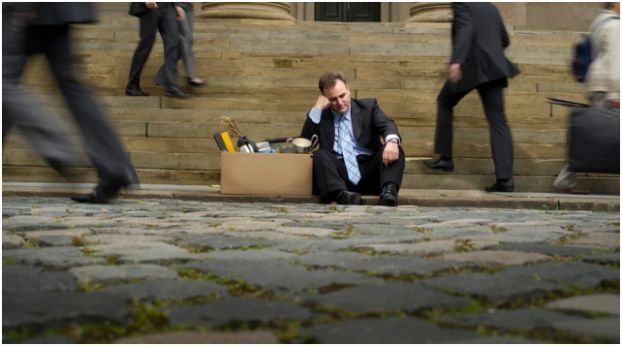
Hard times don’t teach you how to be perfect. They teach you how to respond. That distinction changed everything for me. I stopped wasting energy trying to control outcomes and started focusing on what I could influence—my attitude, my next step, and my boundaries.
One of the biggest mindset lessons from hard times is realizing that your reaction shapes your reality more than the situation itself. When I learned to pause instead of panic, problems shrank. Not because they disappeared, but because I stopped feeding them with fear.
I also learned to avoid catastrophizing. I started using simple reality checks. Will this matter in five years? If not, I give it five minutes of frustration and move on. That habit alone saved me hours of emotional exhaustion.
How Do Hard Times Build Emotional Resilience Over Time?

Emotional resilience doesn’t mean staying calm all the time. It means letting emotions move through you instead of burying them. I used to avoid uncomfortable feelings, thinking they made me weak. Hard times taught me the opposite.
Now, I name what I feel. Saying “I feel overwhelmed” or “I feel frustrated” takes away the chaos. It turns emotion into information. Once I acknowledge it, I can respond instead of react.
Another major shift came when I let go of perfectionism. Hard times made it impossible to pretend I had everything together. That forced me to practice self-compassion. I stopped treating mistakes like personal failures and started seeing them as part of growth. That mindset helped me recover faster and move forward with less shame.
Why Do Hard Times Change Your Perspective on Life?

At some point, difficulty forces perspective whether you want it or not. I realized that struggle often creates growth you can’t access during comfortable seasons. Research even shows that many people experience post-traumatic growth after hardship, gaining empathy, purpose, and resilience.
One of the most grounding mindset lessons from hard times is understanding that everything is temporary. Pain doesn’t last forever, and neither do circumstances. Remembering “this will pass” kept me from feeling trapped during my worst moments.
Hardship also made me more resourceful. When the usual paths closed, I found creative solutions I never would have considered before. Frustration pushed me to adapt, not quit.
How Do Hard Times Clarify What Actually Matters?

Nothing filters your life faster than difficulty. Hard times showed me who truly had my back and who only showed up when things were easy. That clarity felt painful at first, but freeing in the long run.
I also stopped chasing the “highlight reel” version of life. Hardship stripped away noise and forced me to redefine my values. Health, peace of mind, meaningful relationships, and emotional safety moved to the top. Everything else became optional.
That shift changed how I spend my time, energy, and attention. I stopped saying yes to things that drained me and started protecting what mattered most.
How I Apply Mindset Lessons From Hard Times Daily
Hard-earned lessons only matter if you use them. Here’s how I turn mindset lessons from hard times into daily habits.
First, I act before I feel ready. Waiting to feel motivated never worked for me. Small actions create momentum, and momentum creates clarity. I focus on one manageable step instead of the entire problem.
Second, I keep routines boring on purpose. Morning walks, consistent sleep, and simple meals give me stability when life feels unpredictable. Routine creates a sense of control when external chaos exists.
Third, I choose the right coping strategy for the situation. When I can change something, I use problem-focused coping. When I can’t, I manage my emotional response instead.
Coping Toolkit I Actually Use
| Situation Type | What I Do | Why It Helps |
| I have control | Break tasks into steps and plan | Reduces overwhelm |
| I lack control | Grounding or breathing exercises | Calms my nervous system |
| Emotional overload | Expressive writing for 15 minutes | Clears mental clutter |
| Ongoing stress | Consistent sleep and movement | Builds resilience |
| Short-term overwhelm | Light distraction or humor | Prevents burnout |
This flexible approach keeps me from forcing the wrong solution onto the wrong problem.
How Do You Know Whether to Fix the Problem or Your Reaction?
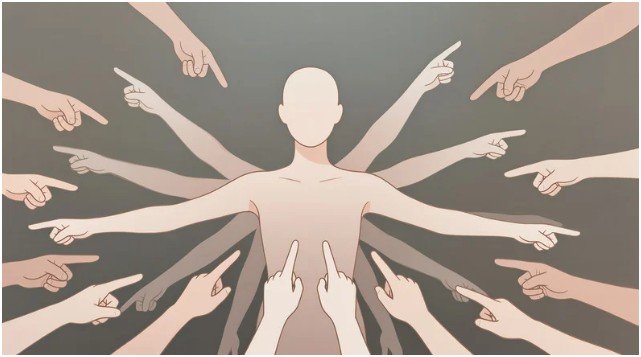
This question changed how I cope. If I can influence the outcome, I act. If I can’t, I focus on regulating my emotions. Fighting reality only drains energy.
Grounding techniques help when emotions spike. I use the 5-4-3-2-1 method to anchor myself in the present. Breathing exercises like box breathing also help reset my nervous system quickly.
When emotions feel heavy, I reframe. I ask what this situation might teach me or how it could shape me for the better. That shift doesn’t erase pain, but it gives it meaning.
FAQ: Mindset Lessons From Hard Times
1. Do mindset lessons from hard times really last?
Yes, if you practice them. Hard times plant the seed, but daily habits keep the lessons alive. When I stopped treating growth as temporary and started reinforcing it through routine, the mindset stuck.
2. How long does it take to build resilience after hardship?
There’s no timeline. Some lessons show up immediately, others take months. Progress often looks like fewer emotional spirals and faster recovery, not constant positivity.
3. What if hard times make me feel weaker, not stronger?
That’s normal. Growth often feels uncomfortable before it feels empowering. Feeling vulnerable doesn’t mean you’re failing. It means change is happening.
4. Can small habits really help during major stress?
Absolutely. Small habits create structure, and structure supports your nervous system. Even a 10-minute walk or consistent bedtime can make stress more manageable.
Hard Times Didn’t Break Me—They Rewired Me
Here’s the truth I wish I had learned sooner. Hard times don’t arrive to destroy you. They arrive to reshape how you think, choose, and live. The mindset lessons from hard times stay with you long after the storm passes.
I no longer aim for a stress-free life. I aim for a resilient one. One where I respond instead of panic, act instead of freeze, and choose peace over perfection.
If you’re in a hard season right now, take this with you. You don’t need to fix everything today. Just take the next small step. Momentum will meet you there.