
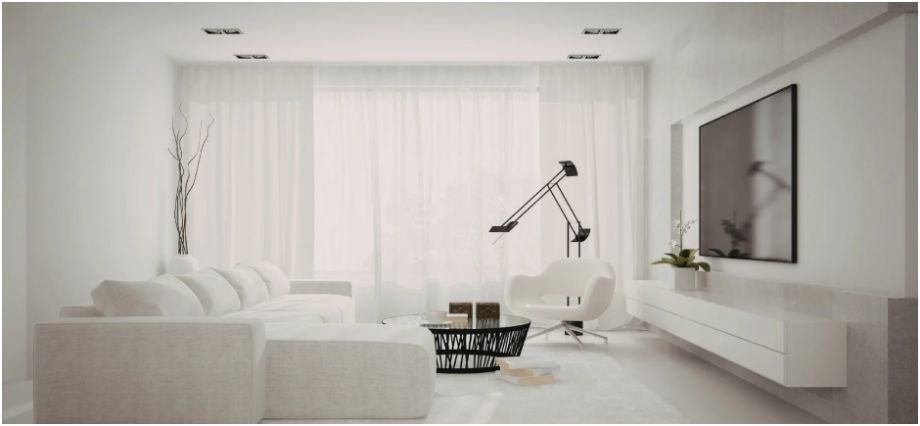
I didn’t wake up one day and decide to become a minimalist. I slowly realized I felt tired—tired of managing stuff, tired of visual noise, tired of spending money on things that didn’t make my life better. What finally helped was focusing on simple, realistic minimalist living ideas for beginners that fit into daily routines instead of turning life upside down.
Minimalism, at least the way I practice it, isn’t about owning nothing or living in an empty white room. It’s about creating breathing room—physically, mentally, and financially—so everyday life feels lighter and more intentional.
Why Do Minimalist Living Ideas for Beginners Work Better When You Start Small?
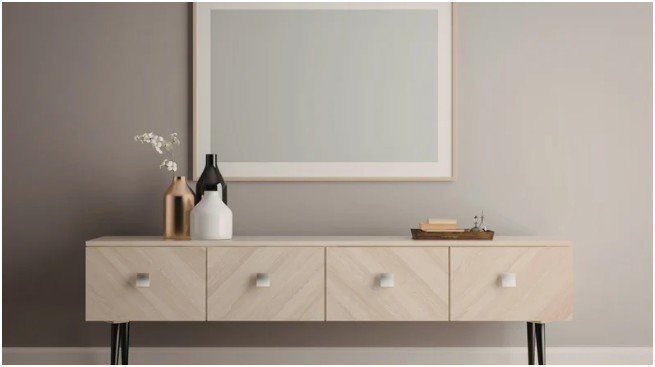
Big decluttering plans look great on Pinterest, but they rarely stick. What actually works is starting so small it feels almost silly.
I began with one drawer. Not a room. Not a closet. One drawer. That single win made the next step easier. Minimalism becomes sustainable when it fits into your real schedule, not an ideal one.
Starting small also removes the emotional pressure. You don’t question your identity or panic about regret when you’re deciding between five spatulas instead of your entire home. Those small decisions train your brain to recognize what “enough” feels like.
Over time, that sense of enough spreads naturally—from drawers to rooms to habits.
How Do You Find Your “Why” Before Trying Minimalist Living Ideas for Beginners?

Minimalism only lasts when it connects to something deeper than aesthetics. My motivation wasn’t style—it was stress.
I wanted fewer bills, fewer impulse purchases, and fewer decisions draining my energy. Writing that down changed everything. When I felt stuck or sentimental, I reminded myself why I started.
Your “why” might look different. Maybe you want more time, less debt, calmer mornings, or a home that feels peaceful instead of crowded. That reason becomes your anchor when decluttering feels uncomfortable.
Minimalism without purpose feels restrictive. Minimalism with purpose feels freeing.
What Decluttering Habits Make Minimalist Living Ideas for Beginners Stick?

Decluttering doesn’t work when it’s a one-time event. It works when it becomes a habit.
One habit that changed everything for me was the duplicate test. I stopped asking if something was useful and started asking how many versions I actually needed. Extra mugs, towels, notebooks, and chargers quietly create clutter without adding value.
Another habit I rely on is keeping surfaces clear. When counters and desks stay open, my mind feels calmer. I notice stress builds faster in visually busy spaces, even when I don’t realize it consciously.
I also follow a simple rule: when something new comes in, something old goes out. That rule alone prevents clutter from sneaking back in.
How Can Your Home Support Minimalist Living Without Feeling Empty?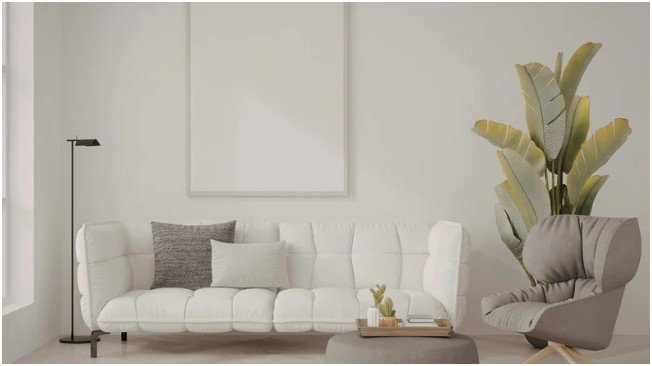
Minimalism doesn’t mean stripping your home of personality. It means choosing pieces that work harder and feel intentional.
I prioritize furniture that serves more than one purpose. Storage ottomans, nesting tables, and beds with drawers reduce the need for extra furniture while keeping things functional. Fewer pieces make rooms easier to clean and easier to live in.
I also focus on quality over quantity. I’d rather own one well-made chair I love than three that feel temporary. The same applies to decor. I let natural light do most of the work and choose a few meaningful items instead of many small ones.
Empty space isn’t wasted space. It’s visual rest.
Why Does Digital Decluttering Matter in Minimalist Living Ideas for Beginners?
Minimalism doesn’t stop at physical stuff. Digital clutter drains energy just as quietly.
Unsubscribing from unnecessary emails made my mornings calmer almost instantly. Fewer notifications meant fewer distractions pulling my attention away from what mattered.
I also review subscriptions regularly. Streaming services, apps, and memberships add up financially and mentally. Removing what I don’t use creates clarity and saves money without effort.
When digital life feels lighter, daily routines feel smoother.
How Do Lifestyle Choices Shape Minimalist Living Ideas for Beginners?
Minimalism shows up most clearly in how you spend time and money.
I stopped buying things for temporary excitement and started choosing experiences instead. Travel, hobbies, shared meals, and learning opportunities leave memories instead of clutter.
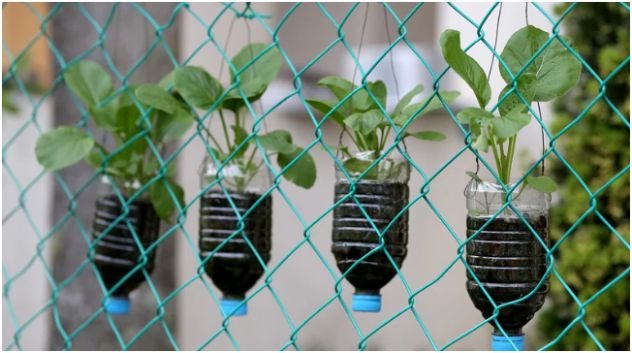
I also learned to repair and reuse when possible. Fixing something instead of replacing it builds patience and appreciation. Repurposing containers or old clothes reduces waste and slows down consumption habits.
Tracking spending helped me spot patterns I didn’t notice before. Awareness alone reduced impulse buys without feeling restrictive.
How-To: Build Minimalist Living Ideas for Beginners Into Daily Life (Step by Step)
Start by choosing one small area—one drawer, one shelf, or one corner of a room. Set a short time limit so the task feels manageable.
Next, remove everything from that space and return only what you use regularly or genuinely enjoy. Let go of duplicates and items that no longer serve your current life.
After that, pause new purchases for a short period. When you do buy something, ask yourself if it replaces an existing item or adds real value.
Then, apply the same mindset digitally. Unsubscribe from emails, cancel unused subscriptions, and reduce notifications.
Finally, repeat the process slowly. Minimalism grows through consistency, not speed.
Minimalist Living Ideas for Beginners: What Changes First?
| Area | Small Action | Immediate Benefit |
| Closet | Build a capsule wardrobe | Faster mornings |
| Kitchen | Remove duplicates | Easier cooking |
| Digital life | Unsubscribe & cancel | Less mental noise |
| Budget | Track spending weekly | Fewer impulse buys |
| Living space | Clear surfaces | Calmer environment |
Frequently Asked Questions
1. Is minimalist living realistic for beginners with busy lives?
Absolutely. Minimalism works best when it fits into real routines. You don’t need hours of free time or a perfect plan. Small, consistent actions—like decluttering one drawer or unsubscribing from emails—create noticeable change without overwhelming your schedule.
2. Do minimalist living ideas for beginners mean getting rid of everything?
Not at all. Minimalism focuses on keeping what supports your life. If something adds value, comfort, or joy, it belongs. The goal isn’t emptiness—it’s intention.
3. How long does it take to feel the benefits of minimalist living?
Some benefits show up immediately. Clear surfaces, fewer notifications, and reduced spending often improve mood and focus within days. Bigger shifts, like financial or mental clarity, develop gradually as habits stick.
4. Can minimalist living ideas for beginners save money?
Yes, often without trying. Buying less, canceling subscriptions, and avoiding impulse purchases naturally reduce expenses. Over time, minimalism aligns spending with priorities instead of habits.
The Calm You Didn’t Know You Were Missing
Minimalism didn’t make my life perfect—but it made it lighter. I spend less time managing stuff and more time actually living. The biggest shift wasn’t what I owned, but how intentional I became with my choices.
If you’re exploring minimalist living ideas for beginners, start small and stay honest with yourself. Calm isn’t something you buy—it’s something you create, one choice at a time.