
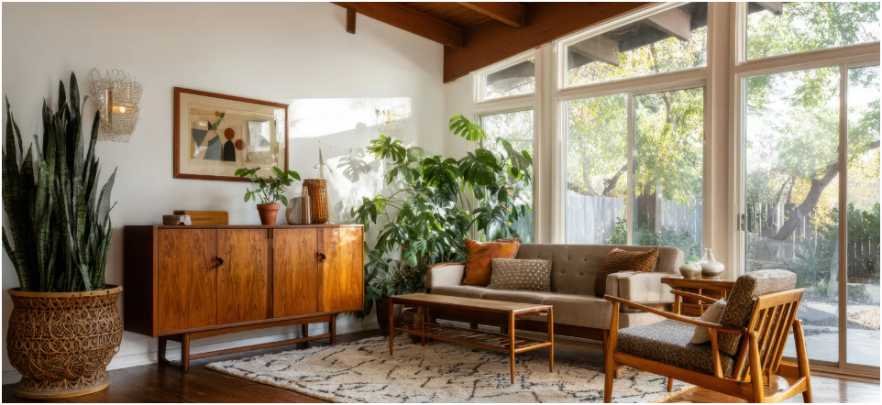
I didn’t wake up one day and decide to own less or do less. My shift toward reflections on simple living happened quietly, through small daily frustrations—too many notifications, cluttered surfaces, rushed mornings, and a constant feeling that my attention belonged to everything except me. Over time, I realized simple living isn’t about minimalism as an aesthetic. It’s about removing friction from everyday life so peace becomes the default, not the reward.
Simple living works when it fits real routines. I didn’t escape society or throw out everything I owned. I adjusted how I use my time, space, and energy. These reflections on simple living come from habits I practice daily, not ideals I chase.
What do reflections on simple living actually mean in daily life?
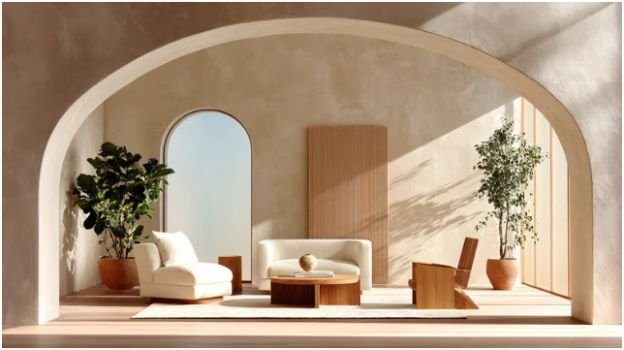
For me, reflections on simple living always come back to one idea: less noise creates more clarity. When I reduce unnecessary decisions, possessions, and digital input, my mind settles. I think more clearly, react less emotionally, and stay present in ordinary moments.
Simple living doesn’t mean living small. It means living deliberately. I focus on what supports my health, relationships, and work, and I let go of what drains me. That includes physical clutter, digital overload, and commitments that don’t align with my priorities.
Over time, I noticed that simplicity gives me something consumer culture never did—time. Time to think, to rest, to enjoy meals, and to work without constant interruption. That shift alone changed how my days feel.
How does simplifying your space change your mindset?

My environment affects my mood more than I used to admit. When surfaces stay cluttered, my mind mirrors that chaos. Decluttering didn’t make my life perfect, but it removed constant background stress.
I started small. One clear surface at a time. A nightstand with nothing but a lamp and a book. A kitchen counter free of appliances I rarely used. Those visual breaks gave my brain room to breathe.
I also stopped keeping duplicates “just in case.” Extra linens, backup gadgets, and unused décor added weight without value. Once I removed them, cleaning became easier and my space felt lighter without feeling empty.
Why do digital habits matter so much in simple living?
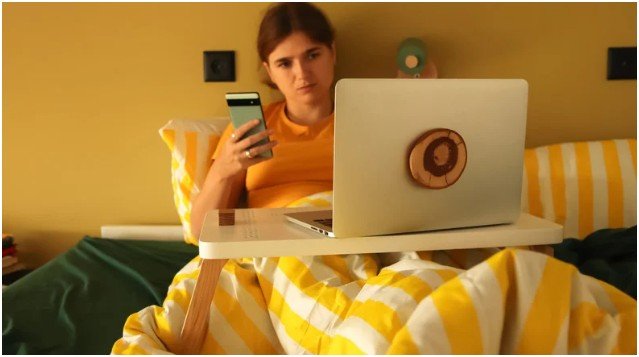
Digital clutter sneaks in quietly. Notifications, emails, and apps compete for attention all day, even when nothing urgent happens. I noticed that my phone dictated my pace more than my schedule did.
I muted almost all notifications and stopped checking messages constantly. I now check emails and texts during set windows. That single change improved my focus and reduced anxiety.
I also unsubscribed from promotional emails as soon as they arrived. Fewer marketing messages meant fewer impulse purchases and fewer mental distractions. Digital simplicity supports physical simplicity more than most people realize.
How do routines support reflections on simple living?

Routine removes decision fatigue. I simplified my days by repeating what works instead of chasing novelty.
I rotate the same 10 to 12 meals each week. I wear a capsule-style wardrobe where everything matches. I batch errands and admin tasks into specific blocks instead of scattering them across my week.
These routines don’t make life boring. They make space for creativity and rest. When basics run smoothly, I have more energy for what matters.
How do finances and boundaries fit into simple living?
Money and time connect directly to simplicity. I automated bills and savings so I don’t think about them daily. That removed stress I didn’t realize I carried.
I also follow a 30-day rule for non-essential purchases. If I still want something after a month, I buy it intentionally. Most of the time, the urge fades.
Saying no became part of my routine too. I protect my time because overscheduling creates mental clutter just like physical mess does. Simple living requires boundaries, not perfection.
How-To: Build a Simple Living Reset You Can Actually Maintain
I approach simplicity as a reset, not a restriction. Here’s the structure I follow when life feels noisy.
First, I reset my digital habits for one week. I track screen time, mute notifications, avoid screens in the morning, and set a tech curfew at night. I plan one device-free day to reconnect offline. This reset reminds me that my attention belongs to me.
Next, I declutter room by room using a simplify, organize, systematize approach. I remove excess first, assign homes to what remains, and create habits that keep clutter from returning. I focus on entryways, bathrooms, kitchen counters, and bedroom surfaces because those areas affect daily flow the most.
Finally, I maintain simplicity with the one-minute rule. If a task takes less than a minute, I do it immediately. That habit prevents clutter from rebuilding and keeps my space calm without effort.
What does a simple living reset look like in practice?
| Area | Focus | Outcome |
| Digital | Fewer notifications and screen limits | Better focus and sleep |
| Physical | Clear surfaces and fewer duplicates | Reduced stress |
| Routine | Meal rotation and task batching | Less decision fatigue |
| Mental | Boundaries and automation | More time and calm |
This structure keeps simplicity practical instead of overwhelming.
Why reflections on simple living evolve over time
My reflections on simple living change as my life changes. Simplicity isn’t a finish line. It’s an ongoing adjustment based on what supports my current season.
Some weeks require more structure. Others allow flexibility. Simple living gives me the awareness to notice when something feels heavy and the permission to let it go.
That adaptability is what makes simple living sustainable.
FAQ: Reflections on Simple Living
1. Is simple living the same as minimalism?
Not exactly. Minimalism often focuses on owning fewer things. Simple living focuses on reducing friction in daily life. You can own meaningful items and still live simply if they support your routines and values.
2. Does simple living mean giving up convenience?
No. I keep conveniences that save time and energy. Simple living removes excess, not comfort. Automation, routines, and smart systems actually make life easier, not harder.
3. How long does it take to feel the benefits?
I noticed mental clarity within days of reducing notifications and clutter. Physical simplicity takes longer, but small changes compound quickly when habits stay consistent.
4. Can simple living work with a busy schedule?
Yes. Busy schedules benefit the most. Simple routines, fewer decisions, and clear boundaries protect energy when time feels limited.
The Calm Is the Point, Not the Aesthetic
Simple living didn’t make my life smaller. It made it quieter, clearer, and more intentional. My biggest reflection is this: simplicity works best when it supports real routines, not idealized versions of life.
If you feel overwhelmed, don’t overhaul everything. Clear one surface. Mute one notification. Say no to one unnecessary commitment. Calm grows from consistency, not extremes.