
Homeowners often spend thousands of dollars on high-end HVAC systems, double-pane windows, and smart thermostats to maintain the perfect indoor climate. They carefully program their heating and cooling schedules, hoping to achieve maximum comfort. Yet, the most crucial element for regulating indoor temperature is completely hidden from view.
Beyond Temperature — The Hidden Benefits of Good Insulation
Most discussions about home insulation focus entirely on keeping heat inside during the winter and outside during the summer. While that is its primary job, a well-insulated house provides several secondary benefits that drastically improve your quality of life and helps homeowners prepare for the summer months by maintaining cooler indoor temperatures, reducing energy costs, and easing the workload on air conditioning systems.
Unwanted Noise Reduction
Living near a busy street or dealing with noisy neighbors can ruin the peace and quiet of your living space. Thick, high-quality insulation materials absorb sound waves, acting as an acoustic barrier. This significantly reduces noise transfer from the outside world and dampens sound between different rooms within the house.
Moisture Control and Healthier Air
Poorly insulated walls allow warm indoor air to collide with cold outdoor surfaces, creating condensation. Over time, this hidden moisture breeds mold and mildew, which can trigger allergies and respiratory issues. A robust insulation barrier prevents this condensation cycle, keeping your wall cavities dry and your indoor air quality pristine.
Consistent Room-to-Room Comfort
Have you ever noticed that one room in your house is always freezing while another is uncomfortably hot? Inadequate insulation is usually the culprit. A proper thermal envelope eliminates these annoying hot and cold spots, ensuring that every room maintains a consistent, comfortable baseline.
Types of Insulation — Finding the Right Fit for Your Home
Selecting the right material depends heavily on your budget, the specific climate you live in, and the areas of your house that need upgrading. Each type has unique properties and installation requirements.
Fiberglass Batts and Rolls
This is the most common and recognizable type of insulation, typically coming in pink or yellow fluffy rolls. It consists of fine glass fibers woven together. Fiberglass is highly cost-effective and relatively easy to install in unfinished walls, floors, and ceilings.
Spray Foam
Spray foam expands upon application to fill every tiny crack and crevice, creating an airtight seal. Polyurethane spray foam is highly energy-efficient and boasts one of the highest R-values (a measure of thermal resistance) on the market. While it is more expensive than fiberglass, its superior sealing capabilities make it a top choice for attics and rim joists.
Blown-In Cellulose
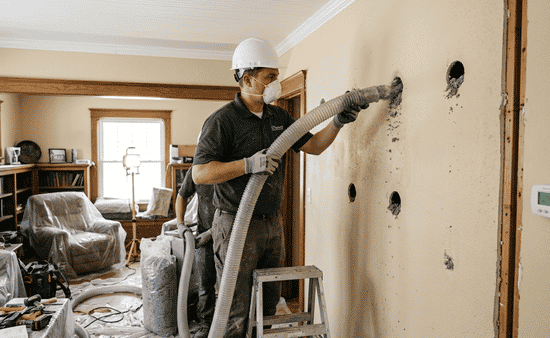
Made primarily from recycled paper products treated with fire retardants, cellulose is blown into wall cavities and attics using specialized machinery. It is an excellent option for adding insulation to existing, finished walls without tearing down the entire structure.
The Installation Process — What to Expect
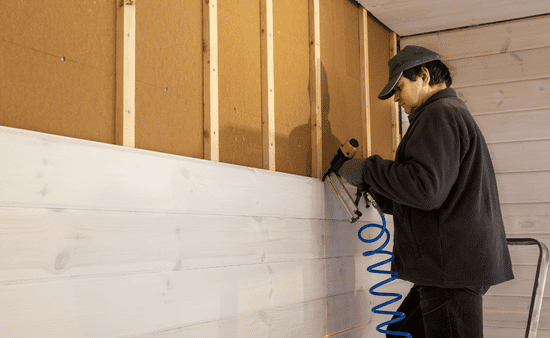
Upgrading your home’s thermal barrier is a structured process that requires careful planning. The exact timeline and mess level depend entirely on the type of material you select and whether your home is currently under construction or fully finished.
The process usually begins with an energy audit. A professional will inspect your home using thermal imaging cameras to identify exactly where air is leaking. Once the weak spots are identified, the work begins.
If you are adding blown-in insulation to existing walls, technicians will drill small access holes between the studs. Depending on the method and the extent of the work, you might need drywall contractors in Utah to patch up the areas where these access holes were made, ensuring your walls look brand new again.
Finally, the crew will clean up the workspace and conduct a final inspection. They will verify that the insulation is evenly distributed and that all necessary areas are completely sealed, leaving you with an instantly more comfortable living space.
Long-Term Savings & Environmental Impact
Furthermore, reducing your energy consumption has a direct, positive impact on the environment. Homes that require less energy to heat and cool produce fewer greenhouse gas emissions. Upgrading your thermal barrier is a highly practical way to reduce your personal carbon footprint while keeping more money in your bank account every month.
Conclusion
A comfortable home requires more than a good furnace or a powerful air conditioner. Creating a secure thermal envelope is the foundational step for a healthy, quiet, and energy-efficient living space. From keeping out the bitter winter cold to blocking neighborhood noise, the materials inside your walls do a tremendous amount of heavy lifting.