

Backflow is one of those plumbing issues most property owners never think about until a test fails, a fixture behaves strangely, or a compliance notice arrives. In Salt Lake City, UT, the topic matters because backflow prevention is not just about equipment performance; it is about protecting potable water when pressure conditions shift unexpectedly.
For homeowners, businesses, and facility managers, understanding the common causes makes it easier to spot risk before it becomes a larger problem.
Empire Plumbing approaches backflow from a practical angle: identify the pressure condition, verify the assembly, and correct the underlying issue with the right certified service. That matters because a backflow device is only as effective as the system around it.
A well-installed assembly can still fail if the property setup, water use pattern, or maintenance history creates the wrong conditions.
Why Backflow Problems Show Up When Properties Seem Fine
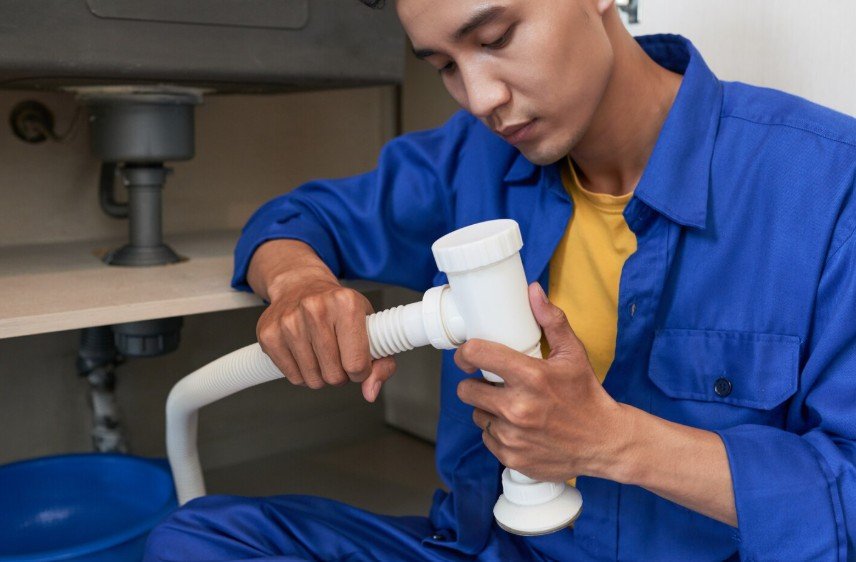
Backflow is not usually caused by one dramatic event. More often, it develops when a plumbing system experiences a pressure imbalance that allows water to move in the wrong direction. That can draw contaminants from irrigation systems, boilers, or other connected equipment into clean water lines.
The tricky part is that many properties look normal from the outside. Water still comes out of the taps. Irrigation still runs. Fire systems still sit ready in the background. But hidden pressure changes, worn parts, or cross-connections can create the exact conditions that make a backflow prevention assembly work harder than it should.
For that reason, Salt Lake City properties benefit from treating backflow as a system-level issue, not just a device-level issue. Empire Plumbing’s certified testing and repair services are useful precisely because they look beyond symptoms and focus on why the assembly is failing or underperforming.
Pressure Changes Are the Most Common Trigger
Pressure changes are the core mechanism behind most backflow events. If the supply pressure drops suddenly, water can reverse direction and pull unwanted material with it. This can happen during hydrant use, water main work, or other temporary disruptions in the distribution system.
Even short-lived pressure reversals can create problems if the property has irrigation lines, boilers, or equipment tied into the plumbing network. Those systems are often the first places where contaminants can enter the water path if the prevention assembly is not working properly.
Cross-Connections Create the Pathway
A cross-connection is any link between potable water and a source that could contain contaminants. In practical terms, that may include irrigation, chemical feed equipment, commercial process lines, or certain mechanical systems. If that pathway is present and the backflow device is weak, improperly selected, or overdue for service, the risk increases.
This is why backflow repair, in Salt Lake City, UT, may require a closer review of how the property is piped and whether the current assembly still matches the actual use of the building.
The Property Conditions That Make Backflow Failures More Likely
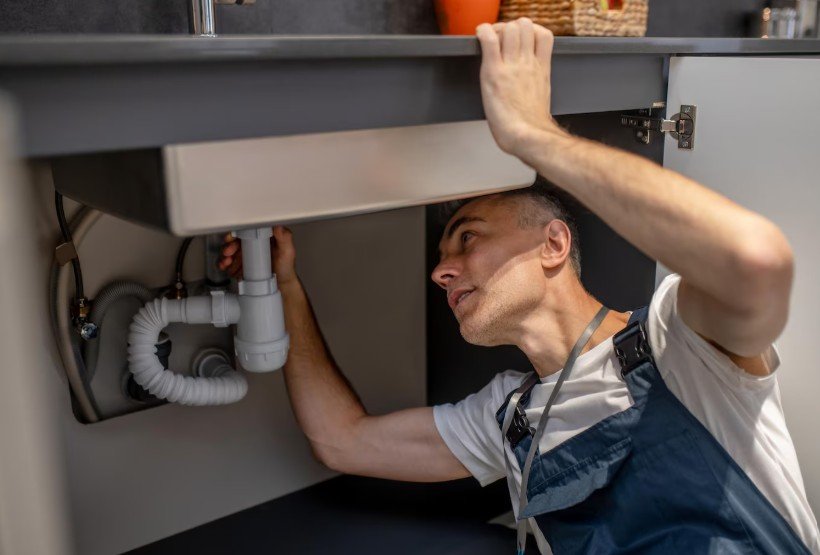
Salt Lake City properties are diverse. A single-family home, a multi-tenant building, and a commercial facility may all need backflow protection, but they rarely face the same stress points. Understanding the common property conditions behind failure helps explain why annual testing and targeted repair are so important.
Empire Plumbing sees this in both residential and commercial work. The issue is often not that the device is “bad.” It’s that the property creates a demand the device must be correctly sized and maintained to handle.
Irrigation Systems Put Assemblies Under Real Stress
Outdoor watering systems are one of the most common sources of backflow-related trouble. Irrigation lines can carry soil, fertilizer residue, or other contaminants. If pressure drops and the assembly is compromised, those materials can be pulled toward the potable supply.
This is especially relevant when sprinkler systems sit unused for long stretches and then get reactivated seasonally. Stiff components, debris buildup, or unnoticed wear can show up only when the system is put back under demand.
Commercial and Mechanical Equipment Add Complexity
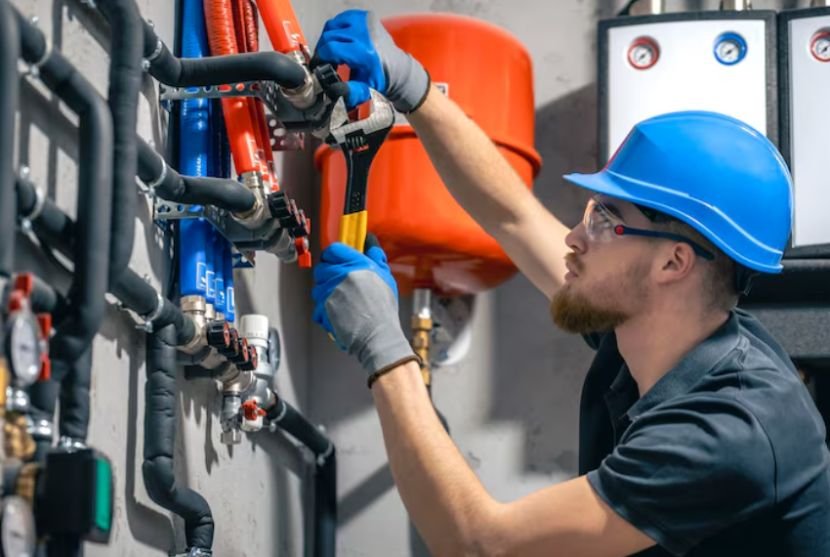
Commercial buildings often have more complicated plumbing arrangements than residential properties. Boilers, cooling systems, and process equipment can all introduce unique pressure and contamination concerns. The more connected the system becomes, the more important it is that the backflow prevention assembly matches the configuration.
A device that works well in one setting may not be appropriate for another. That is why customized installation matters. A property with mixed use or multiple water demands needs more than a generic solution.
Aging Valves and Wear Over Time
Backflow assemblies have moving parts. Over time, seals wear, springs weaken, and internal components can accumulate debris.
A unit may still appear functional while still failing a test or losing the reliability needed to protect the water supply.
This is one reason annual testing is not a formality. Following essential maintenance tips for old homes can also help property owners identify aging plumbing, deteriorated valves, and pressure-related issues before they contribute to backflow assembly failure.
Utah state and local regulations require backflow prevention assemblies to undergo yearly testing by a certified technician, and that testing is often the first reliable indication that a device needs repair or replacement.
What Annual Testing Reveals That Visual Checks Miss
A visual inspection can catch obvious damage, but it cannot confirm how the assembly performs under test conditions. That distinction matters. A backflow device can look intact and still fail to hold the pressure differential it is supposed to maintain.
Annual testing gives property owners a practical snapshot of performance. It confirms whether the assembly is operating within acceptable parameters and whether any internal problem has started to affect reliability. For owners who want to stay ahead of compliance issues, this is the most efficient way to avoid surprises.
Empire Plumbing’s certified backflow technicians are authorized to test, repair, and install these devices in Utah, which is important because testing is not just a box to check. It is the point where hidden problems become visible.
The most common reasons a device fails a test include:
- Debris trapped inside the assembly
- Worn or damaged internal seals
- Broken springs or check components
- Incorrect installation or orientation
- Incompatibility between the assembly and the property’s water use
- Freeze damage or long-term environmental wear
When any of those issues appear, the next step is not guesswork. It is diagnosis, repair, and re-testing by a certified professional.
What To Do When Backflow Risk Appears
The best property owners do not wait for a failure to begin thinking about backflow. They treat the assembly as part of the property’s operating infrastructure. That mindset changes the outcome because it shifts the focus from reaction to prevention.
Empire Plumbing combines testing, diagnostics, repair, and installation, which means the problem does not bounce between multiple contractors. If a device fails, the next step is clear, and the estimate for required repairs is upfront.
They Match the Fix to the Real Problem
Not every failed test means the assembly must be replaced. Sometimes the issue is a worn component or debris that can be corrected. In other cases, the system needs a new assembly that better fits the property’s current demands.
That difference matters because the right solution depends on the system, not on assumptions. A thoughtful diagnosis avoids unnecessary work and reduces the chance of repeat failure.
They Respect the Compliance Side of the Job
Backflow is a safety issue, but it is also a regulatory issue. Properties that depend on irrigation or other water-connected equipment need service that aligns with local code and annual testing requirements. A properly certified technician helps the owner stay compliant while keeping the water system protected.
Why Backflow Problems Should Be Handled Before They Become Routine
The real cost of backflow trouble is rarely just the failed test itself. The higher cost is disruption: the need to reschedule inspections, correct preventable issues, and restore confidence in the system. For businesses, that can affect operations. For homeowners, it can create unnecessary stress around water safety and compliance.
The better approach is straightforward. Test annually, repair problems promptly, and make sure the assembly still matches the property’s actual plumbing conditions. When the system changes, the protection strategy should change with it.
Empire Plumbing serves Salt Lake City properties with that broader view in mind. Their certified technicians can evaluate the device, identify the pressure or configuration issue behind the failure, and recommend a repair or installation path that fits the property instead of forcing a generic fix.
Backflow problems are usually manageable when they are handled early. The properties that stay ahead of them are the ones that treat testing as essential maintenance, not paperwork. In a city where plumbing systems vary widely from one building to the next, that discipline is what keeps clean water protected and the system working the way it should.