
Choosing the right ground material is not a small detail. It affects how a path feels underfoot, how it handles water, how much upkeep it demands, and how long the finished space keeps its shape. That is why chat rock deserves more attention than many outdoor projects give it at first glance. It is not simply a filler material; it is a functional surface decision.
For homeowners, landscapers, and contractors, the real question is not whether chat rock looks appealing in a sample pile. The better question is whether it fits the space’s purpose. A compactible material can solve problems that loose gravel creates, but only if the product, grade, and application are matched to the project correctly.
Start With the Job the Surface Has to Do
Before comparing colors or textures, define the actual use case. A garden path, a ranch trail, a patio sub-base, and a xeriscape accent zone may all use similar materials, but they do not ask the same thing of the surface. Some areas need a smoother walking experience. Others need a stable base under pavers or a clean, natural-looking finish that does not shift every time someone walks across it.
This is where many projects go wrong. People often choose by appearance first and performance second. With chat rock, that can be backward. The material works because it contains small stone particles and stone dust that compact tightly. If the project needs firmness and stability, that characteristic matters more than whether the stone is warm-toned, gray, or dark.
One Source Materials approaches this well by offering chat and crusher fines in practical blends suited to different outdoor applications. That matters because a compactible landscape solution should be selected for function first, then style.
Walking Surface, Base Layer, or Visual Finish?
The intended role of the material should guide the choice.
- For a walking path, the goal is comfort, firmness, and reduced shifting.
- For a patio sub-base, the goal is compaction and support.
- For xeriscaping, the goal may be a finished surface that stays tidy and natural-looking.
- For trails or ranch access, durability and low maintenance take priority over a decorative feel.
If the project has more than one role, such as a path that also supports occasional cart traffic, the product choice becomes even more important. In those cases, One Source Materials can help align the material with both the visual and structural demands of the space.
Understand Why Compaction Changes Everything
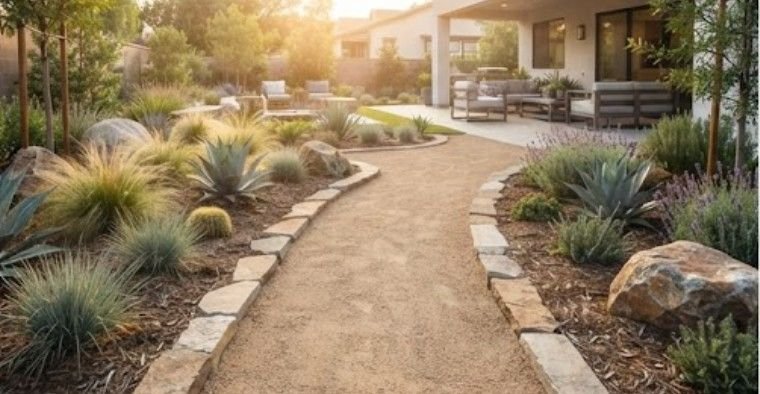
The biggest reason people choose chat rock over standard gravel is the way it performs after installation. Loose gravel stays loose. It shifts, migrates, and forms ruts or gaps under repeated use. Chat and crusher fines behave differently because their smaller particles interlock and settle into a denser mass.
That compaction is not just a technical detail. It changes the daily experience of the space. A compacted surface is usually easier to walk on, more stable for equipment movement, and less prone to that uneven, rolling feeling that larger gravel can create. For anyone trying to create a surface that feels intentional rather than temporary, that difference is significant.
Still, compaction is not automatic. The material has to be installed and prepared correctly. The depth, moisture, grading, and edging all affect the final result. A good product can underperform if the installation is rushed or uneven. That is why choosing the right supplier matters just as much as choosing the right material.
Why Crusher Fines and Chat Are Not the Same as Decorative Rock
This distinction is worth making clearly. Decorative rock and larger gravel are often chosen for appearance, drainage, or contrast in a landscape bed. Chat rock serves a different purpose. It is meant to pack down, create a smoother finish, and support use.
If the project calls for a crisp, walked-on surface, a decorative cobble will not behave the same way. If the goal is a stable patio sub-base, larger loose rock is not the right substitute. One Source Materials offers materials specifically suited to compacted applications, which is why its chat and crusher fines selection is more relevant than a general decorative-rock category.
Match Color and Texture to the Site, Not Just the Sample
Once the functional requirements are clear, appearance becomes the next layer of judgment. This is where many projects either succeed quietly or feel slightly off even when they technically work. Chat rock comes in a range of visual styles, from warm tans and muted earth tones to darker options like slate gray and black lava fines. Those variations influence how the finished area reads in daylight, near architecture, and beside plant material.
A color choice should support the setting like clever gardening ideas for beautiful outdoor spaces. A light, warm blend can soften hard edges and blend naturally into a desert-inspired landscape. A darker fines product can create sharper contrast and make nearby plantings or borders stand out more clearly. In a highly visible entry path, that contrast may be a benefit. In a broad trail system, it may be too visually strong.
The point is not to overdesign the surface. It is to choose a finish that feels deliberate in context. One Source Materials’ range of blends, including options such as Black Lava Fines, Honeycomb Fines, and Salt & Pepper Decomposed Granite, gives project planners more control over that outcome.
Think Through Drainage, Traffic, and Maintenance Before You Commit
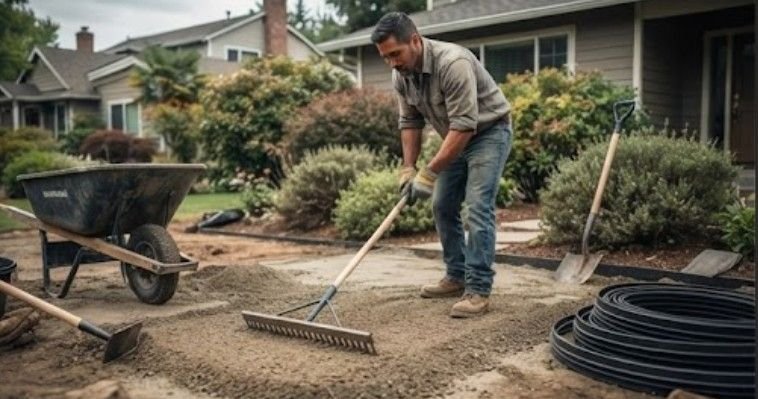
A lot of outdoor surfaces fail because people assume one material will solve every issue at once. Chat rock is useful, but it still has limits. It performs best when the site is graded correctly, and the drainage pattern is understood ahead of time. If water collects in low spots, any compacted surface will eventually show stress there.
Traffic matters too. A lightly used garden path and a busy access route are different stress tests. The more traffic a surface sees, the more important compaction, edge restraint, and proper base preparation become. Chat rock can handle high-use areas well when those basics are addressed, but it is not a shortcut around site preparation.
Maintenance expectations should also be realistic. Know why landscaping needs more than visual appeal. The right material can reduce ongoing cleanup and reshaping, but no outdoor surface is entirely hands-off. Leaves, dust, and natural wear still happen. The advantage of chat rock is that it usually requires less correction than loose stone, not that it eliminates maintenance altogether.
A practical review checklist helps keep the decision grounded:
- Is the space mainly for walking, light utility use, or visual appeal?
- Does the surface need to stay firm after repeated traffic?
- Will drainage move water away from the area, or collect in it?
- Is the material being used as a finish surface or as a sub-base?
- Does the selected color support the surrounding landscape design?
- Is the installation plan strong enough to support compaction?
Those questions are simple, but they prevent expensive mistakes. They also help a buyer compare options with more confidence instead of relying on a sample alone.
Use a Supplier That Makes Planning Easier, Not Harder
The best material choice is easier to make when the supplier gives you useful project support. That is one reason One Source Materials stands out in this category. Their chat and crusher fines selection is paired with practical planning tools that help buyers estimate material needs more intelligently and avoid underordering or overcommitting.
For project planning, that matters. A material that compacts well can still be a poor experience if the quantity is wrong or the scope is misunderstood. Having access to product details, a calculator, and quote support makes the decision more operational and less guesswork-driven.
One Source Materials brings a useful blend of product breadth and practical focus. Because the company works across boulders, decorative rock, topsoil, sand, mulch, and related landscape materials, it is better positioned to think in terms of the whole outdoor system, not just one product bucket.
The Smart Choice Is the One That Fits the Surface’s Real Purpose
The most important thing to remember is that chat rock is not a decorative afterthought. It is a performance material that happens to look natural and clean when installed well. That makes it valuable, creating outdoor spaces that last for years but also easy to misuse if the project brief is vague.
The strongest decisions come from sequencing the priorities correctly: first function, then site conditions, then appearance, then supply support. When those pieces line up, chat rock can be an excellent choice for high-traffic pathways, xeriscaping, ranch trails, and patio sub-bases. When they do not, even a good material can disappoint.
For that reason, a thoughtful supplier matters. One Source Materials offers the kind of chat and crusher fines options that let outdoor projects be planned with more precision and less compromise. That is what separates a surface that merely fills space from one that genuinely works.