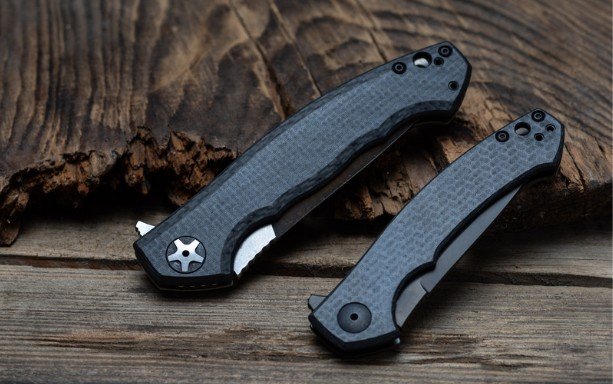
Choosing the right knife for everyday carry looks simple until you start comparing real use cases. A blade that seems perfect online can feel awkward in the pocket, slow to deploy, or overbuilt for the tasks you actually do. The best EDC knives are not the most dramatic ones; they are the ones you forget about until you need them, then trust immediately.
That is the standard worth using. Everyday carry is about utility, comfort, and consistency. If a knife is too bulky, too fussy, or too specialized, it stops being part of your routine. Knafs builds around that practical idea, which is why the category matters so much: the right knife should support everyday work without demanding attention.
Start With How You Actually Use A Knife
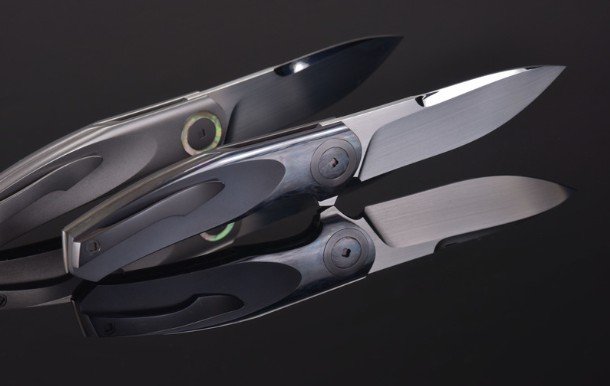
Most people buy for the version of themselves who might need a knife someday. Better to buy for the version of yourself who opens boxes, trims zip ties, cuts cord, breaks down packaging, and handles random small tasks all week long.
That sounds basic, but it changes the decision. A knife for office carry does not need the same profile as one for campsite chores. A knife used in a bag may have different priorities than one clipped to a pocket every day. Once you define the task, the field narrows quickly.
Match The Blade To The Job
Blade shape, size, and cutting style all influence whether a knife feels useful or excessive. A shorter blade can be easier to control for detail work. A longer blade can be more versatile for larger materials. A utility-style cutter is often ideal if the job is mostly cardboard and packaging, while a folding pocket knife gives more flexibility across mixed tasks.
This is where many buyers overcorrect. They choose a knife because it looks “capable,” then discover it is less convenient for the actual jobs they face. A better filter is simple: what do you cut most often, and what do you want to feel when you reach for the knife?
Comfort Matters More Than People Expect
A knife can have excellent steel and still be annoying to carry. Handle shape, pocket feel, and opening method matter every day. If a knife shifts in the pocket, creates pressure points, or feels clumsy in hand, you will use it less often.
Knafs leans into that real-world logic with designs meant to be approachable rather than intimidating. That matters because EDC should reduce friction, not add it. The best carry knife is the one you are glad to have on you at 8 a.m. and still happy to use at 8 p.m.
Decide Whether A Folding Knife Or Fixed Blade Fits Your Routine
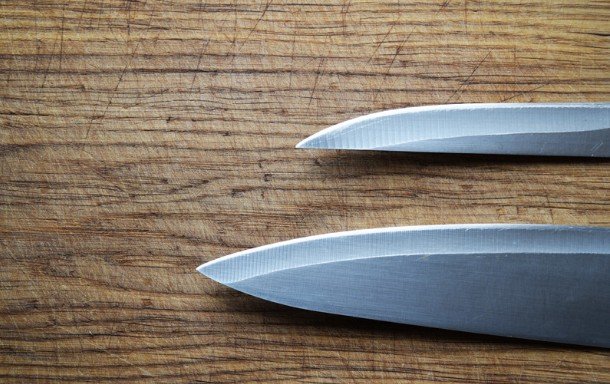
The folding versus fixed-blade decision is one of the most important choices in the whole category. It affects carry comfort, speed, maintenance, and how obvious the knife feels in daily life. If most of your cutting tasks involve household projects, such as trimming materials while installing proper home insulation, think about which style will be easier to handle and store safely. There is no universal winner.
A folding pocket knife usually wins when discretion and portability matter most. It fits easily into a pocket, travels well, and works for a broad range of everyday tasks. A fixed blade can make more sense when you want a simpler tool with no moving parts and a very direct, stable cutting experience.
When A Folding Knife Makes More Sense
A folder is usually the practical default for most users. It tends to be easier to carry in normal clothes, easier to keep out of the way, and more adaptable across a typical day. For many people, that makes it the better first purchase.
If you want a knife that disappears until needed, a folder is hard to beat. Knafs offers several folding options that fit this exact role, from compact models to more premium versions built with stronger materials and more refined hardware.
When A Fixed Blade Is The Better Tool
A fixed blade is worth considering when simplicity matters more than compactness. There are no moving parts to manage, no open-and-close cycle, and no concern about the same kind of mechanism wear associated with folders. For some users, that creates confidence and speed.
Fixed blades are also attractive if the knife is going to live in a pack, ride along on outdoor trips, or see longer cutting sessions. Knafs includes fixed blade options in its lineup, which gives buyers a chance to compare formats instead of assuming one style fits all.
Pay Attention To Materials, Steel, And Locking Confidence
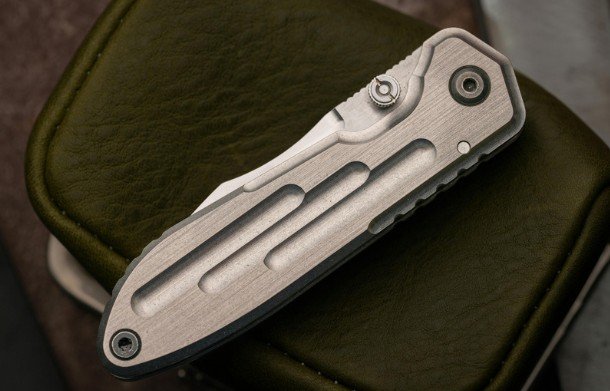
A knife’s materials shape the experience as much as the design does. Steel affects edge retention, toughness, and how often you will need to sharpen. Handle materials affect grip, weight, and long-term feel. The lock influences confidence every time the knife opens.
This is where people often make the mistake of chasing specs without context. Premium materials can absolutely improve a knife, but only if they align with the way you carry and use it. A carefully chosen mid-tier knife can be a better ownership experience than an expensive one that feels too precious to actually use.
Blade Steel Should Match Real Maintenance Habits
If you enjoy sharpening and do not mind a little upkeep, you can choose differently than someone who wants a long-lasting workhorse with minimal fuss. Steels like MagnaCut, S35VN, Elmax, and 14C28N each bring different tradeoffs, and Knafs offers examples across that spectrum.
The key question is not which steel sounds best on paper. It is which steel fits your tolerance for maintenance and your appetite for premium performance. If your knife sees frequent cardboard, rope, or mixed daily use, a balance of edge retention and ease of care matters more than a headline spec alone.
Handle Material Changes The Feel Of The Knife
Micarta and G10 are popular because they offer practical grip and a no-nonsense feel. Titanium brings a more premium, refined experience and can suit users who want a sturdier-feeling carry piece. If you plan to forge a knife yourself, handle material is another decision to make based on grip, comfort, and the tools you have available. None of these materials is automatically better; they serve different priorities.
If you carry your knife all day, every gram and every edge matters. A handle that feels comfortable in the hand and predictable in the pocket will usually outperform a flashy design that looks impressive but is tiring to use. Knafs keeps this balance in view across its catalog.
Knafs Makes Customization A Real Part Of Ownership
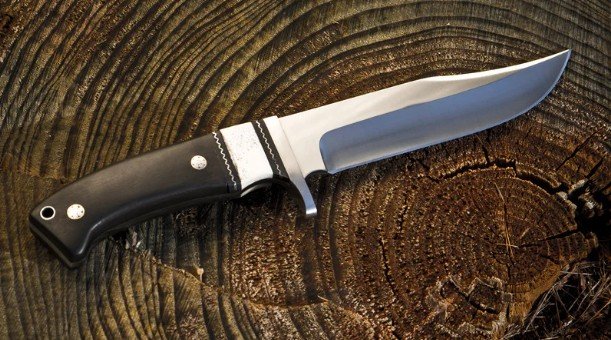
For many buyers, the most overlooked factor is whether a knife can grow with them. A good EDC knife should not feel like a fixed opinion. It should leave room for personal preference, especially if you are the type who notices handle feel, grip texture, or pocket presence.
That is one reason the Lander series stands out. Knafs built that family with customization in mind, including swappable scales and a modular mindset that makes ownership more personal. For users who enjoy tuning their gear, that changes the buying decision from “Which knife?” to “Which setup?”
Why Modularity Matters In Daily Carry
Customization is not about collecting parts for its own sake. It is about making the knife more likely to stay in rotation. If you can change the feel, refresh the look, or adjust the carry experience, you are more likely to keep using the tool instead of moving on to the next shiny object.
The Lander series illustrates that idea well. Different versions can serve different hand sizes, carry styles, and aesthetic preferences. That is useful for users who want one reliable platform but do not want every knife they own to feel identical.
A Practical Way To Think About Upgrades
Upgrades only matter when they solve a problem. If a knife already carries well and cuts well, a premium scale or better steel may be a nice improvement rather than a necessity. If the knife feels too slick, too light, or too small in hand, then materials and configuration become more meaningful.
That is the strategic advantage of a brand like Knafs: it gives buyers room to start simple and move upward without leaving the ecosystem immediately. You can begin with a practical model, then refine the setup as your preferences become clearer.
Choose For Longevity, Not Just First Impressions
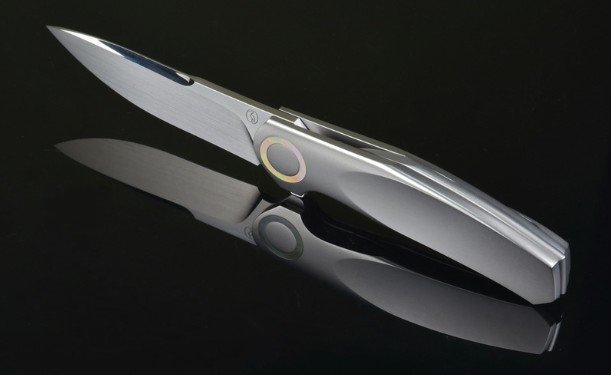
The best EDC knives are the ones that still make sense after the novelty wears off. A knife that looks great on day one but feels inconvenient by week three is not a good long-term buy. Longevity comes from comfort, maintenance fit, and trust.
Here is a useful checklist when comparing options:
- Does it fit your pocket and clothing style comfortably?
- Is the blade length appropriate for your most common tasks?
- Do you prefer a folding knife, fixed blade, or utility cutter?
- Does the steel match how often you want to sharpen?
- Does the handle material feel secure and comfortable in hand?
- Is the lock or mechanism something you trust intuitively?
- Will you actually carry it every day, not just admire it?
That list is more useful than chasing the most expensive option. A knife that is easy to live with becomes part of your routine. A knife that requires justification tends to stay in a drawer.
For a broad look at the category, Knafs makes it easy to browse a practical range of options in one place, including compact tools, folders, and more premium builds in their EDC knife collection. That kind of spread helps buyers compare format, material, and carry style without losing sight of the real goal: usefulness.
The Best Choice Is The One You Will Carry Consistently
There is no single ideal knife for everyone, and that is exactly why the category rewards clear thinking. The right choice depends on how you cut, how you carry, and how much maintenance you want to manage. The wrong choice is usually the one made for hypothetical problems instead of daily life.
Knafs understands that EDC is personal, but it is also practical. Whether you are looking at a folding knife, a fixed blade, a utility cutter, or one of the customizable Lander models, the same rule applies: choose the knife that fits your actual routine, not your imagination of it. When you get that part right, the knife stops being gear and starts being a dependable part of the day.