
Air travel is one of the safest modes of transportation in the world, yet most passengers only see the calm surface of a highly complex system. Behind every smooth takeoff and landing is a carefully coordinated network of professionals, technology, and procedures designed to keep you safe from departure to arrival. Understanding what happens behind the scenes can help you appreciate the precision that goes into every flight you take.
Rigorous Pilot Training and Certification

Before a pilot ever commands a commercial aircraft, they undergo thousands of hours of training. This includes simulator sessions, classroom instruction, and supervised flight experience. Pilots must also pass strict medical exams and regular proficiency checks to ensure they remain fit for duty.
Many professionals even begin their journey with programs like flight lessons in Dallas, TX, where foundational aviation skills are developed long before stepping into commercial aviation cockpits. These early experiences are essential for building the discipline and technical understanding required for safe flying.
Advanced Aircraft Technology
Modern aircraft are equipped with sophisticated systems that continuously monitor performance and environmental conditions. From automated navigation systems to real-time engine diagnostics, these technologies help pilots make informed decisions during every phase of flight.
Safety features such as Traffic Collision Avoidance Systems (TCAS) and Enhanced Ground Proximity Warning Systems (EGPWS) provide additional layers of protection. These tools alert pilots to potential hazards long before they become critical issues, significantly reducing risk.
Strict Maintenance Standards
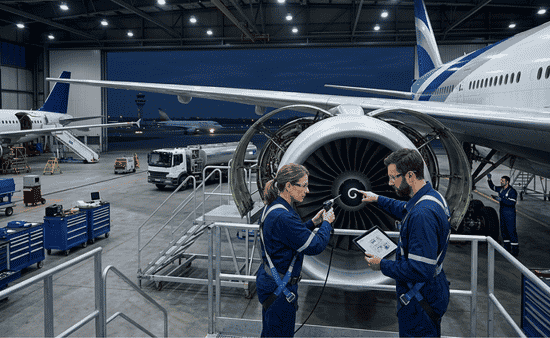
Airlines follow detailed maintenance schedules regulated by aviation authorities. Every aircraft undergoes routine inspections before and after flights, as well as deeper checks at regular intervals. These inspections cover everything from engine performance to cabin pressure systems and landing gear functionality.
Even minor issues are addressed immediately, and no aircraft is cleared for service unless it meets strict safety standards. This proactive approach ensures that mechanical problems are identified and resolved before they can affect passengers.
Air Traffic Control Coordination
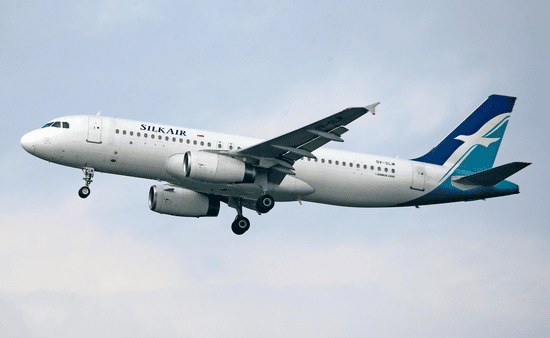
Air traffic controllers play a vital role in maintaining safe skies. They manage the flow of aircraft in and out of airports and ensure safe separation between planes in the air. Using radar, communication systems, and real-time tracking data, they coordinate thousands of flights daily.
This constant communication between pilots and controllers helps prevent collisions, manage weather disruptions, and maintain orderly traffic even in busy airspace.
Comprehensive Safety Protocols
Every airline operates under a detailed set of safety protocols covering emergencies, weather conditions, and operational procedures. Flight crews are trained extensively in emergency response, including evacuation procedures, medical incidents, and equipment failures.
Cabin crew members regularly participate in drills to stay prepared for any situation. Their training ensures they can respond quickly and calmly, helping passengers stay safe even in unexpected circumstances.
Weather Monitoring and Planning
Weather is one of the most important factors in flight safety. Airlines use advanced forecasting systems to track storms, turbulence, wind patterns, and other atmospheric conditions. Flight paths are adjusted as needed to avoid dangerous weather zones.
Pilots receive continuous weather updates before and during flights, allowing them to make real-time adjustments for passenger comfort and safety.
Continuous Safety Improvements
Aviation safety is constantly evolving. Airlines and regulatory bodies regularly analyze flight data, incident reports, and near-misses to identify areas for improvement. This culture of learning ensures that safety measures are always being refined and strengthened.
From improved cockpit technology to enhanced training programs, the industry never stops advancing its safety standards.
In Conclusion
What passengers experience as a routine flight is actually the result of years of training, advanced technology, and strict safety management. Every detail—from pilot preparation to air traffic control coordination—works together to ensure a safe journey.
The next time you board a plane, you can do so with confidence knowing that an entire system is working behind the scenes to protect you every step of the way.