
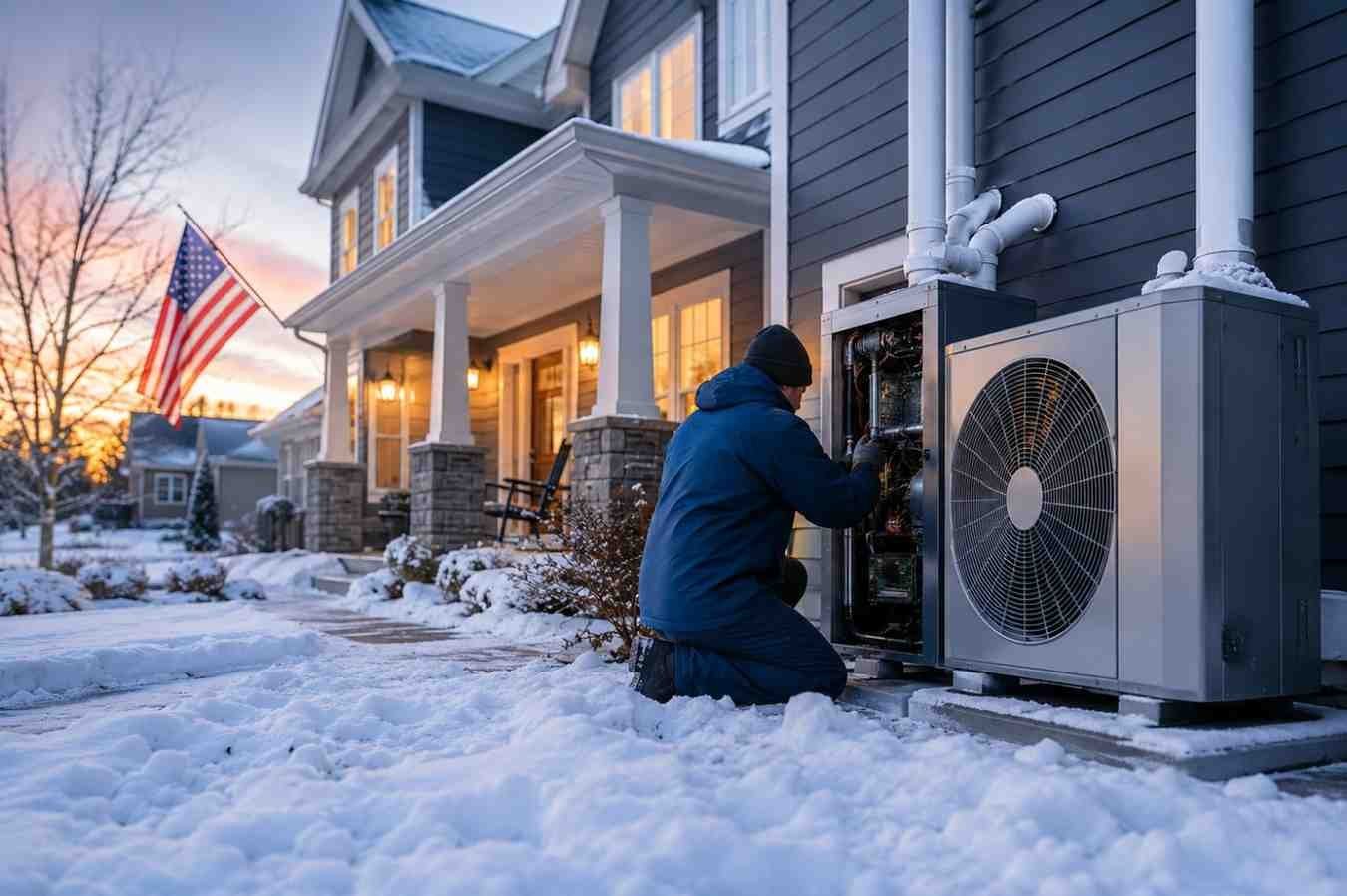
Weather can be unpredictable. From scorching summer heatwaves to freezing winter blizzards and sudden torrential downpours, the changing seasons put a massive amount of stress on our houses. Over time, extreme weather conditions can expose hidden vulnerabilities in your home’s structure, leading to costly repairs, energy inefficiency, and major discomfort.
Many homeowners tend to take a reactive approach to maintenance, only fixing issues after a major storm or cold snap has already caused damage. However, the secret to preserving your property and maintaining peace of mind is proactive prevention. By taking strategic steps to prepare your living space for whatever nature throws its way, you can avoid common structural headaches and save thousands of dollars in emergency fixes.
If you want to protect your investment and keep your living spaces secure, here are six highly effective ways to reduce weather-related issues at home.
1. Upgrade and Modernize Your Heating Infrastructure
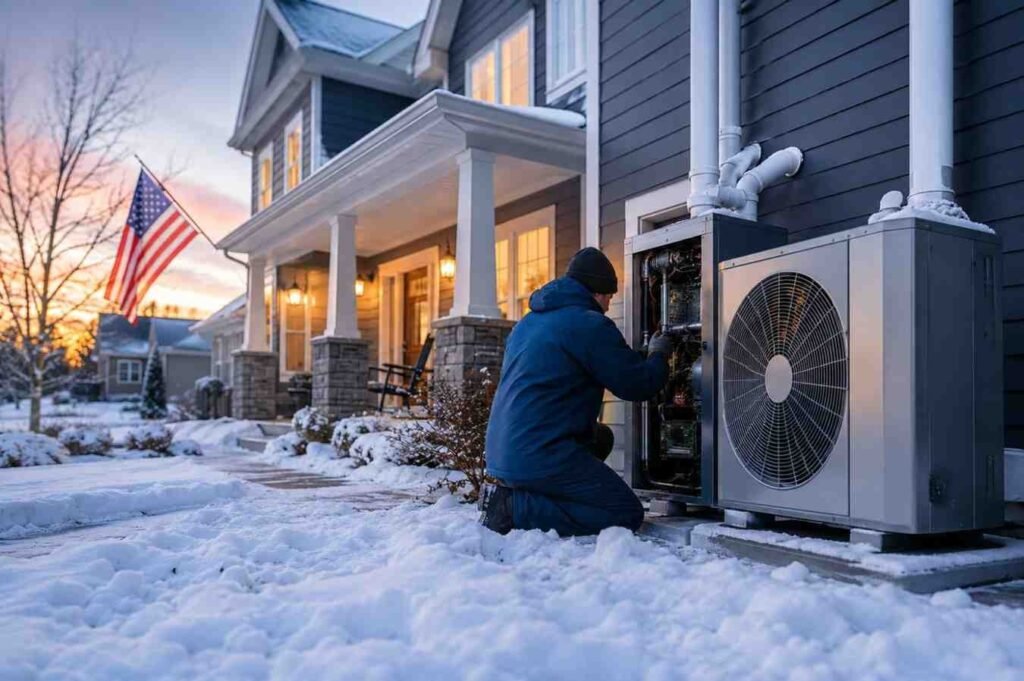
When freezing winter temperatures arrive, your heating system becomes your home’s most critical defense mechanism. A failing or inefficient system doesn’t just mean shivering in your living room; it can also lead to secondary weather-related disasters, such as frozen and burst pipes that cause catastrophic water damage.
If your current heating unit is old, noisy, or struggling to keep up with regional temperature drops, upgrading before the peak of winter is a smart move. For those living in areas prone to harsh winter conditions, investing in a high-efficiency furnace installation in Draper ensures that your indoor climate remains safe, warm, and utterly reliable.
A newly installed system provides consistent airflow, reduces your carbon footprint, and significantly cuts down on monthly energy utility bills while shielding your home from the destructive effects of extreme cold.
2. Seal Windows and Doors Against Drafts and Moisture
Your windows and doors are the primary transition zones between the outdoor elements and your indoor sanctuary. Over time, shifting foundations and general wear and tear can create microscopic gaps around these frames, allowing conditioned air to escape and outside elements to creep in.
During heavy rains, these tiny gaps can invite moisture intrusion, which quickly rots wooden frames and encourages dangerous mold growth. During winter or summer extremes, drafts force your HVAC system to work twice as hard to maintain a stable temperature. Situations like these clearly demonstrate why proper home insulation matters for both energy efficiency and long-term weather protection.
3. Clear and Reinforce Gutters and Downspouts
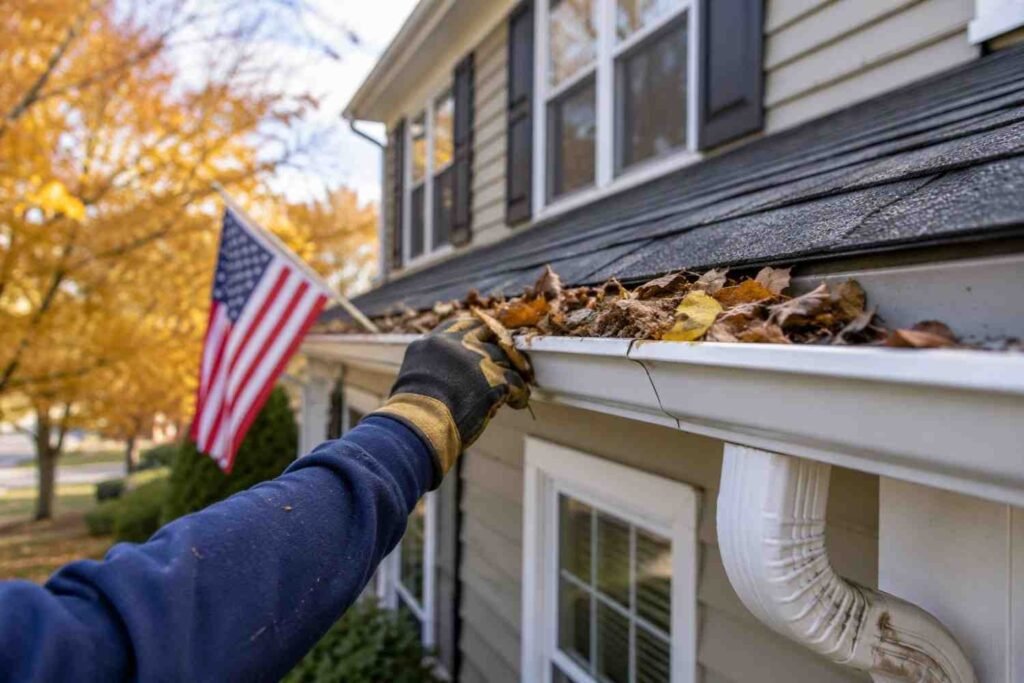
Water is one of the most destructive forces a house can encounter. Your gutter system is designed to capture rainwater and melting snow from your roof and safely direct it away from your siding and foundation. However, when gutters become clogged with leaves, twigs, and debris, the system fails entirely.
When water overflows from blocked gutters, it pools directly at the base of your home. Over time, this water can seep into your basement or crawlspace, cracking your foundation and compromising the structural integrity of your house. Make it a strict habit to clean your gutters at least twice a year—once in the spring and once in late autumn—to ensure water can flow completely unobstructed.
4. Insulate Vulnerable Piping in Unheated Spaces
As mentioned earlier, freezing temperatures pose a severe threat to your home’s plumbing network. Pipes that run through unheated areas of the house—such as crawlspaces, basements, attics, and exterior-facing walls—are at a particularly high risk of freezing.
When water inside a pipe freezes, it expands with immense force, easily cracking copper, PEX, or PVC lines. Once that ice thaws, thousands of gallons of water can flood your home in a matter of hours. You can dramatically reduce this risk by wrapping exposed pipes in foam insulation sleeves or utilizing specialized electrical heat tape. This simple barrier keeps the ambient temperature around the pipes just high enough to prevent ice formation.
5. Trim Overhanging Tree Branches and Secure the Roof
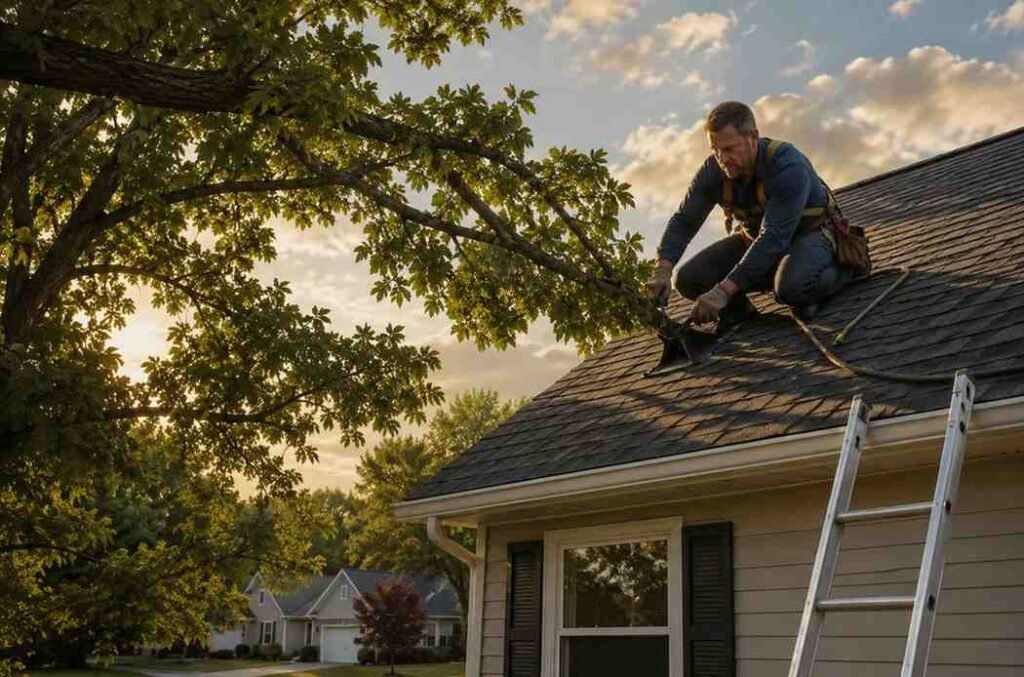
High winds, heavy snow loads, and severe thunderstorms can easily turn loose tree branches into dangerous projectiles. If you have large trees with limbs hanging directly over your roof, patio, or driveway, they present a major liability during storm season.
Heavy snow accumulation can snap weakened branches, causing them to crash through your roof or damage nearby power lines. Take the time to inspect your property annually and trim back any dead, dying, or overextended limbs. While you are at it, do a quick visual scan of your roof to look for loose, cracked, or missing shingles that could easily be ripped away by powerful gusts of wind.
6. Maintain Optimal Indoor Humidity Levels
Extreme outdoor weather has a direct impact on your indoor air quality and humidity. Cold winter air holds very little moisture, which can dry out the interior of your home, causing wooden furniture, cabinetry, and hardwood floors to shrink and crack. Conversely, humid summer weather can turn your home into a breeding ground for mildew.
Using a whole-home humidifier during the dry months and a dehumidifier during the muggy seasons helps keep your indoor relative humidity within the ideal 30% to 50% range. This consistency protects your home’s physical components from warping while providing a healthier breathing environment for your family.
Weather-related home problems can be incredibly stressful, but they are not entirely unavoidable. By taking a proactive approach—whether that means reinforcing your roof, clearing out your drainage systems, or upgrading your central heating unit—you can build a resilient home that stands strong against any season. Many of these preventative improvements also align with renovation projects that boost property value, making them beneficial for both long-term protection and future resale appeal.