
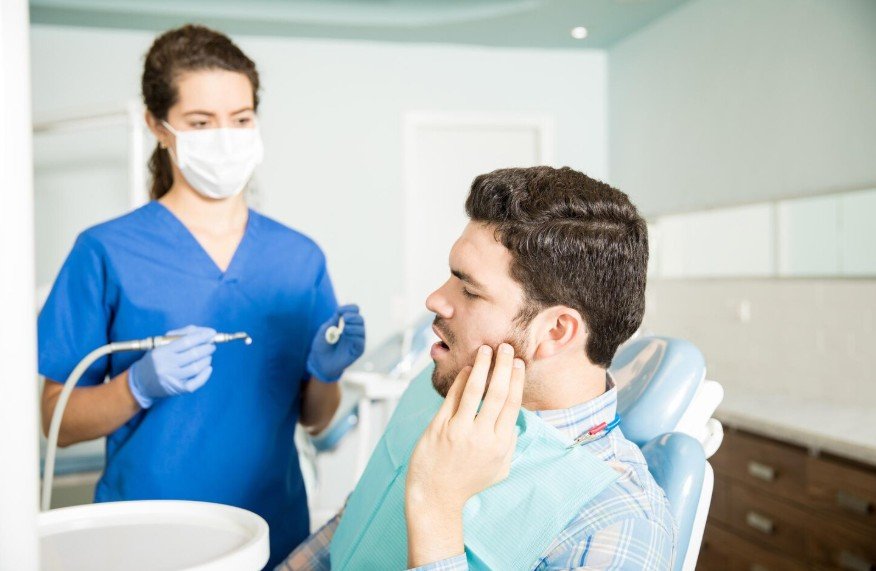
Jaw pain can make daily life strangely tiring. A tight jaw, sore temples, ear pressure, or joint clicking can affect meals and sleep. TMJ concerns usually involve the jaw joint, facial muscles, bite, and strain habits.
Many people first notice sore mornings, tender cheeks, or temple headaches. A good North York dentist can check how the teeth meet, how the jaw moves, and which muscles feel overloaded. That visit gives the pain a clear starting point and turns jaw tension into a practical plan.
What A North York Dental Check Looks At

A TMJ exam reviews how the jaw opens, closes, and shifts side to side. The dentist may feel the joint area, cheek muscles, and temples for tender spots. Uneven tooth wear or sore chewing muscles can point toward clenching or grinding.
The bite matters because teeth guide the jaw each time it closes. A small imbalance can make some muscles work harder during meals or sleep. The dentist connects these details and explains which habits add pressure.
How Clenching And Grinding Affect The Jaw

Jaw clenching can happen during busy days, deep concentration, or sleep. The jaw muscles stay active too long, so they feel tired later. Teeth may show flat edges, fine cracks, or sensitivity near the gumline.
Night grinding puts extra force on the jaw joint and surrounding tissues. The face may feel stiff in the morning, and the jaw may pop during breakfast. A dental team can spot these clues and match them with symptoms.
Custom Guards And Splints For Night Relief
A custom night guard gives teeth a stable surface during sleep. It spreads pressure evenly and creates a cushion between the upper and lower teeth. This can ease muscle strain and protect enamel from extra wear.
Some patients need a splint that guides the jaw into a relaxed position. The dentist checks the fit carefully, since comfort matters for regular use. Small adjustments can make the appliance feel natural and useful.
Patients who feel anxious during visits may also benefit from calming approaches like dental care with therapeutic soundscapes, especially when jaw pain has made treatment feel stressful.
Bite Checks, Muscle Care, And Daily Habits

A dentist may review the bite, fillings, crowns, and tooth wear to see how the jaw handles force. When a tooth hits too hard, muscles may react with tension. Gentle dental adjustments can help the bite feel smoother in selected cases.
Daily habits also shape jaw comfort. Chewing gum, resting the chin on a hand, or holding the teeth together during work can load the joint. Simple cues, soft stretches, and relaxed tongue posture can support dental treatment.
When Jaw Pain Needs A Closer Look
Some TMJ symptoms need a fuller assessment, especially when jaw movement feels limited. The dentist may ask about headaches, ear pressure, sleep quality, stress, dental work, and facial soreness or recent treatments like dental treatment.
This helps separate muscle strain, joint irritation, bite issues, and related concerns.
A clear plan may include a custom appliance, bite review, home care, and referrals when another provider can help. Physiotherapy, massage therapy, or medical care can support recovery when muscles, posture, or sleep problems add strain. In North York, coordinated care can make the path feel simpler for patients.
TMJ pain feels personal because it affects meals, sleep, speech, and mood. A North York dentist can assess the bite, jaw joint, and facial muscles in one practical visit.
Patients gain useful answers when symptoms connect to clenching, grinding, tooth wear, or muscle strain. The right dental plan can include a guard, splint, bite care, and daily habits that feel realistic.