
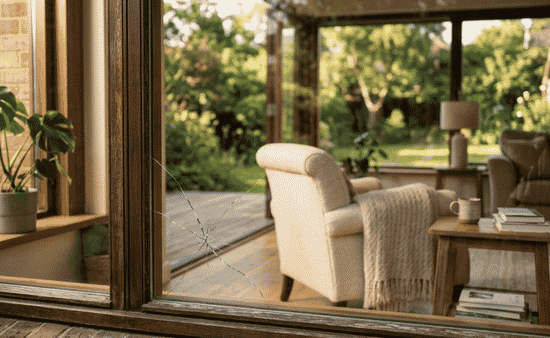
A home is a sanctuary, but it is also a complex structure that requires constant vigilance. Among the many maintenance tasks a homeowner must juggle, the condition of window surfaces is often overlooked until a major failure occurs. It starts as a tiny, almost invisible hairline fracture in the corner of a pane.
While it might seem like a cosmetic nuisance at first, ignoring a small stress crack is a gamble with the safety, efficiency, and structural integrity of your property. Understanding the mechanics of these cracks is essential to preventing a minor issue from becoming a dangerous and expensive emergency.
The Science Behind the Stress Crack
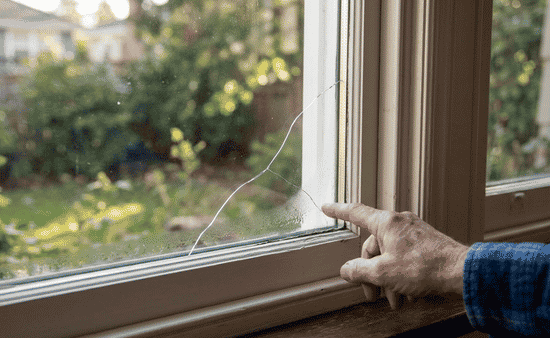
Stress cracks are unique because they are not caused by a direct impact, such as a stray baseball or a bird strike. Instead, they are the result of extreme temperature fluctuations. When the sun beats down on a window, the glass expands. If a portion of that pane remains in the shade or is cooled by an air conditioner, the uneven expansion creates internal tension.
Over time, this thermal expansion and contraction weaken the molecular bonds of the material. A crack typically begins at the edge of the glass where it is held by the frame, as this is where the temperature differential is most acute. Once the integrity of the surface is compromised, the fracture acts as a release valve for that pent-up energy, and it will continue to grow as long as the environmental stressors persist.
The Invisible Threat to Energy Efficiency
Modern homes rely on insulated glass units, or IGUs, to maintain a comfortable indoor climate. These consist of two or more panes separated by a spacer and filled with an insulating gas like argon or krypton. This gas creates a thermal barrier that keeps heat out during the summer and holds it in during the winter.
- Fogging and Condensation: Moisture trapped between the layers creates a milky or foggy appearance that cannot be wiped away, permanently ruining your view.
- Skyrocketing Utility Bills: Without the thermal barrier, your heating and cooling systems must work twice as hard to maintain a steady temperature.
- Drafts and Hot Spots: You may notice that rooms with cracked windows feel significantly colder or warmer than the rest of the house.
Safety Concerns and Structural Risks
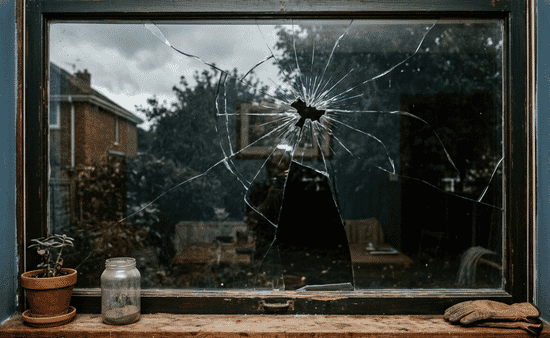
While energy loss is a financial burden, the safety risks of a cracked window are much more immediate. A compromised pane is unpredictable. Changes in air pressure, such as a door slamming elsewhere in the house or a gust of wind, can provide just enough force to cause the entire sheet to fail.
Unlike tempered safety glass, which shatters into small granules, standard annealed glass used in many residential windows breaks into large, razor-sharp shards. These fragments can cause severe injury to anyone nearby. Furthermore, a cracked window is an invitation to intruders. A fracture signals that the glass is weak, making it significantly easier for someone to force entry into the home with minimal effort and noise.
Environmental Factors and Local Maintenance
Local weather patterns play a significant role in how quickly a crack will spread. Areas with high desert climates or regions that experience rapid shifts between freezing nights and hot afternoons are particularly hard on glass.
As part of essential maintenance tips for old homes, homeowners who notice these issues should seek professional help before the next season change to prevent further damage and preserve their property’s integrity.
For those living in the Wasatch Front area, securing timely residential glass repair in Kaysville Utah can prevent a single fracture from spreading across the entire sash during a winter freeze. Expert intervention ensures that the replacement is fitted correctly to withstand local climate demands.
Why DIY Patches Are Not Enough
Many homeowners attempt to fix a small crack with clear tape or epoxy resins. While these might offer a temporary visual fix, they do nothing to restore the structural strength or the thermal seal of the window. A patch is a cosmetic bandage on a structural wound. Professional technicians use specialized tools to assess the depth of the damage and determine if the entire pane or the insulated unit needs replacement.
Proactive Home Care
The best way to handle a stress crack is to catch it early. Conduct a seasonal walk-through of your home, checking the corners of every window for thin, wandering lines. Pay close attention to windows that are partially shaded by trees or overhangs, as these are the most susceptible to thermal stress.
By addressing a small crack today, you protect your family from the danger of shattering glass and keep your home operating at peak efficiency.