
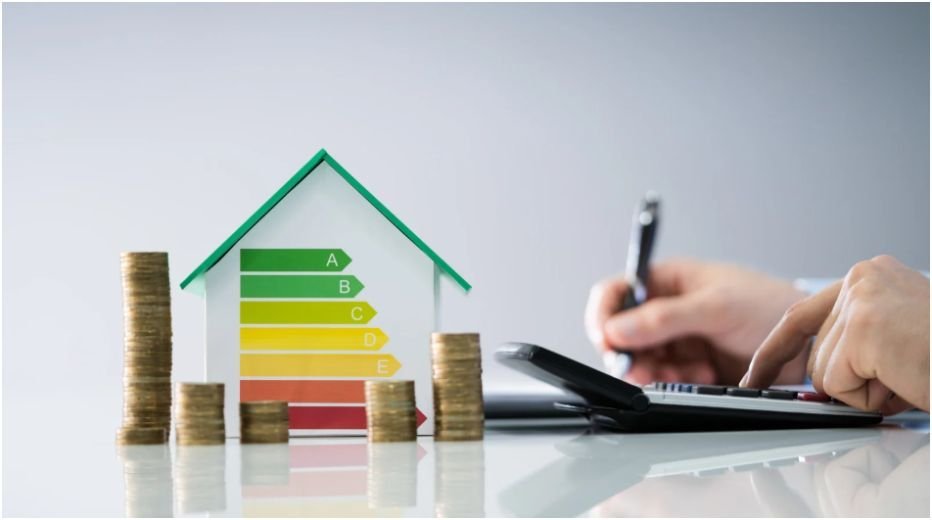
In an era of rising utility costs and growing environmental awareness, creating an energy-efficient home has shifted from a trend to a practical lifestyle choice.
Energy efficiency is defined as using less energy to perform the same daily tasks, which translates into lower bills, a reduced carbon footprint, and enhanced indoor comfort.
By making intentional, strategic choices, homeowners can transform their living spaces into sustainable, cost-effective environments.
Strengthen the Building Envelope
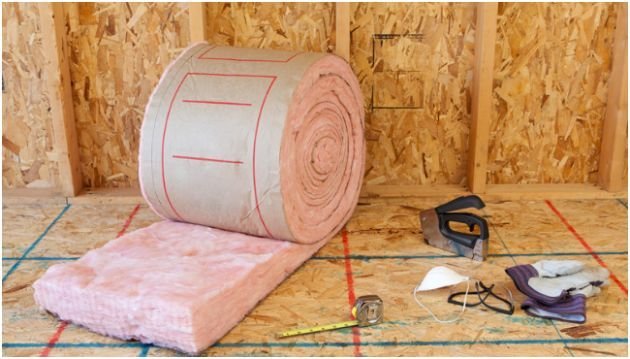
The foundation of any energy-efficient home is a strong building envelope. This begins with proper insulation, which prevents heat from escaping during the winter and entering during the summer. You sometimes wonder why winter spikes your electricity bill?
Homeowners should evaluate insulation in the attic, walls, and basement, as these are the primary areas where energy loss occurs. Upgrading to modern materials like spray foam or rigid foam boards can provide long-term thermal stability.
In addition to insulation, sealing air leaks is a high-impact, low-cost strategy. Small gaps around doors, windows, and electrical outlets force HVAC systems to work harder. Using weatherstripping and caulk to seal these drafts keeps conditioned air inside, significantly reducing energy waste.
Invest in High-Performance Windows
Windows are often the most vulnerable points in a home’s energy profile. Older, single-pane windows allow for significant heat transfer, which drives up heating and cooling costs. Upgrading to energy-efficient windows can provide immediate benefits.
Look for windows with double or triple glazing, low-emissivity (low-E) coatings, and insulated frames to minimize heat gain and loss. In climates like Utah’s, professional window replacement is often a smart investment to maintain year-round comfort.
Optimize HVAC and Water Systems
Heating, ventilation, and air conditioning (HVAC) systems are typically the largest energy consumers in a household. Regular maintenance, such as cleaning filters and scheduling professional inspections, ensures these systems operate at peak efficiency. For example, proper furnace installation in Midvale can ensure a system is correctly sized and installed for maximum performance.
Water heating is another major energy drain, accounting for a significant portion of utility expenses. Installing low-flow fixtures can reduce water waste, while upgrading to a tankless water heater in Layton or another high-efficiency model can provide substantial savings by heating water only when it is needed.
Embrace Smart Technology and Lighting
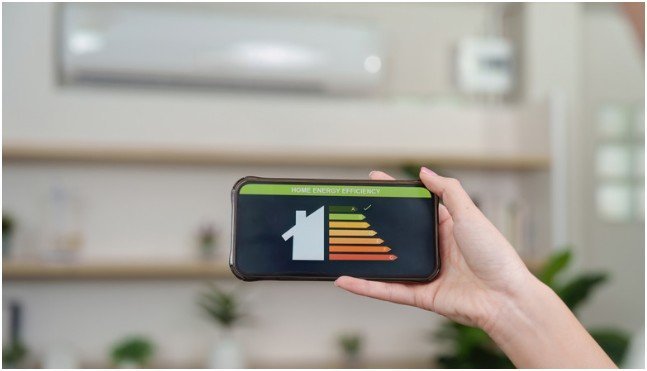
Modern technology offers powerful tools for managing energy consumption. Smart thermostats are a primary example; they allow homeowners to automate temperature schedules based on their daily routines, preventing energy waste when the house is empty.
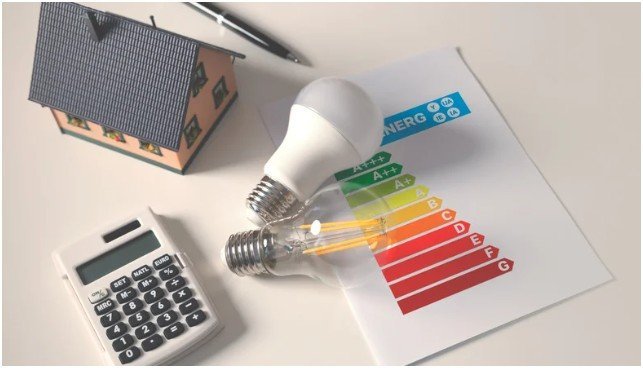
Lighting is one of the easiest areas to optimize. Replacing traditional incandescent bulbs with LED bulbs can reduce lighting-related energy use by up to 80%. LEDs not only use less power but also last significantly longer, reducing waste.
Adopt Sustainable Design Choices
Energy efficiency can also be integrated through structural and exterior design choices. Selecting sustainable building materials with high thermal mass, such as insulated concrete forms, helps maintain stable indoor temperatures. For the exterior, reflective roofing materials like metal roofing can deflect solar heat, keeping the home cooler during the summer months.
Passive solar design is another strategic approach. By orienting a home and placing windows to maximize natural light and heat from the sun, homeowners can reduce their reliance on artificial lighting and mechanical heating. Adding renewable energy sources, such as solar panels, can further decrease reliance on the traditional grid.
In Conclusion
Building a more energy-efficient home involves a combination of structural upgrades to extend the Life of Your Home’s Structure and mindful daily habits. Whether it is upgrading insulation, investing in new windows, or simply switching to LED lighting, every step contributes to a more comfortable and cost-effective living environment.
By starting with high-impact changes and gradually incorporating smart technology and sustainable materials, homeowners can enjoy long-term financial and environmental benefits.