
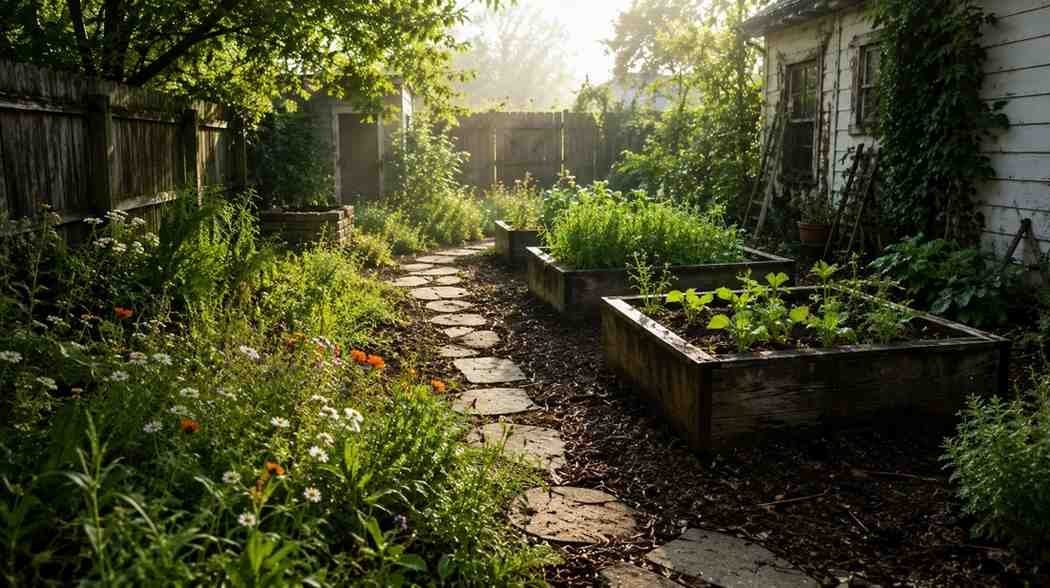
A neglected backyard can feel like a heavy burden, especially when overgrown weeds and patchy dirt replace what should be a vibrant sanctuary. However, beneath the surface of a dormant or dying landscape lies a wealth of potential.
Transforming a barren outdoor area into a thriving ecosystem requires a systematic approach that focuses on clearing the old, nourishing the earth, and introducing sustainable growth. With patience and a strategic plan, even the most distressed patches of ground can become boundless green spaces.
Assessing the Damage and Clearing the Slate
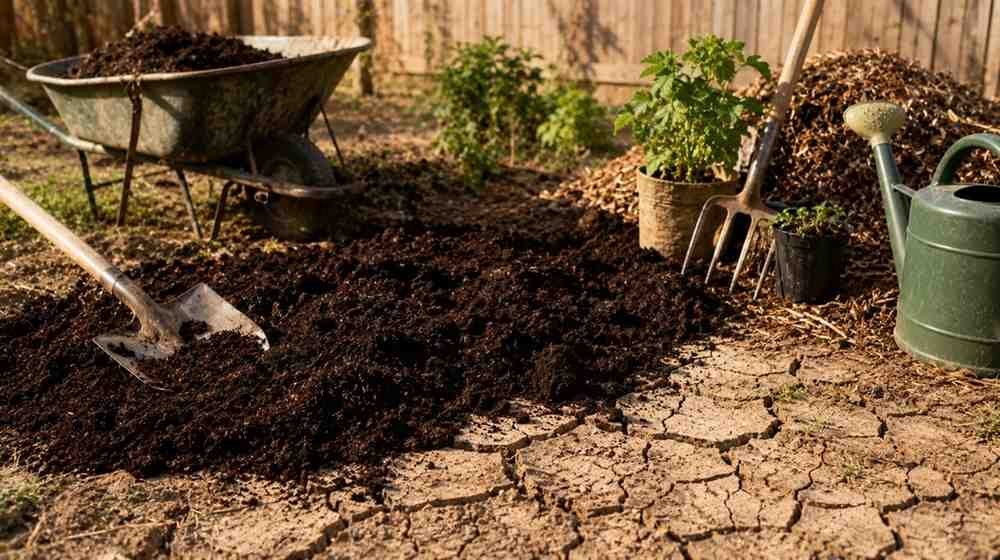
The first step in any restoration project is a thorough assessment of the current conditions. It is important to distinguish between plants that are truly dead and those that are merely dormant. Many perennials and shrubs may look brown and brittle on the outside but still possess a healthy root system capable of regrowth including indoor plant TLC.
Begin by removing debris, such as fallen branches, litter, and dead annuals. Next, tackle the weeds. If the overgrowth is significant, mowing the area on a high setting can help you see the topography of the land. Avoid the temptation to use harsh chemical clearants that can linger in the soil for years.
Instead, consider manual removal or sheet mulching with cardboard to smother unwanted vegetation naturally. This creates a clean slate without destroying the beneficial insects and microorganisms living in the topsoil.
Restoring Soil Vitality and Structure
Most neglected backyards suffer from two primary issues: compaction and nutrient depletion. When soil is walked on or left exposed to the elements without a protective cover, it becomes hard and impenetrable. Water cannot soak in, and roots cannot spread.
Aeration is the solution for compaction. By creating small holes in the ground, you allow oxygen and water to reach the root zone. Once the soil can breathe, it is time to feed it. Top-dressing the entire area with a thick layer of organic material is the most effective way to jumpstart the biological recovery of the land.
Using high-quality organic compost from Sandy will introduce a diverse array of nutrients and beneficial fungi that help plants resist disease and drought. This layer of organic matter acts as a slow-release fertilizer, improving the texture of the soil over several months.
Managing Water and Drainage
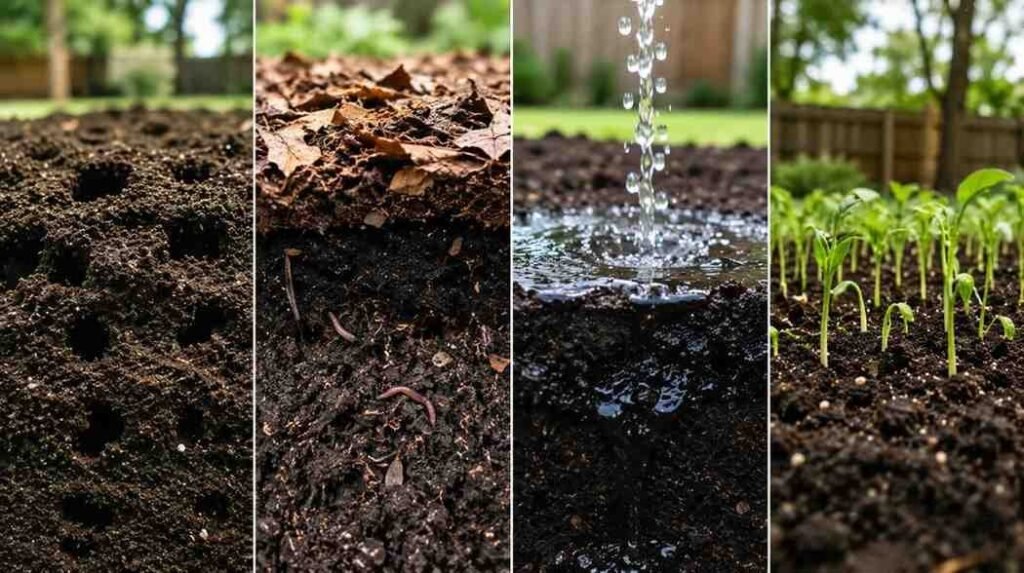
A backyard often turns brown because of poor water management. This could mean the area is either too dry or has standing water that drowns the roots. Observe the yard during a heavy rainstorm to see where the water flows.
If you find low spots where puddles linger, consider creating a rain garden or installing a French drain to redirect the excess. For perpetually dry areas, look into drip irrigation systems or soaker hoses.
These methods deliver water directly to the base of the plants, reducing evaporation and ensuring that every drop is used efficiently. Proper hydration is the difference between a garden that merely survives and one that truly flourishes.
Selecting Resilient and Native Species
When it comes time to replant, avoid the urge to fill the space with high-maintenance exotic varieties. Instead, look toward native plants that are naturally adapted to your local climate and soil conditions. Native species require less water, fewer fertilizers, and are far more resilient against local pests.
- Groundcovers: These serve as a living mulch, protecting the soil from erosion while adding a lush carpet of green.
- Shrubs and Hedgerows: These provide vertical interest and act as windbreaks or privacy screens.
- Perennial Flowers: These offer recurring color year after year, providing a steady food source for pollinators like bees and butterflies.
By grouping plants with similar water and light needs together, you can create a more efficient and lower-maintenance landscape.
Establishing a Maintenance Routine
The “boundless” aspect of a revived backyard comes from consistent care. A common mistake is to do all the work in one weekend and then ignore the space for a month. In the early stages of recovery, young plants need regular monitoring to ensure they are establishing their roots.
Mulching is a critical final step. A thick layer of wood chips or straw keeps the soil cool, suppresses new weeds, and continues to break down into rich humus over time. As the ecosystem stabilizes, you will find that the garden requires less intervention.
The brown, forgotten plot will slowly evolve into a self-sustaining habitat that brings life and value to your home. Through thoughtful restoration, irrigation tips for ranches and the right soil amendments, any backyard can be reclaimed.