
If you’re tired of standing in front of a cluttered closet, overwhelmed by options but still feeling like you have nothing to wear, you’re not alone. I’ve been there—plenty of times.
But here’s the thing: once I embraced minimalist fashion, I not only simplified my wardrobe, I made getting dressed every day so much easier. Let’s talk about how a minimalist approach can transform your closet (and your mornings).
What Is Minimalist Fashion and Why Should You Try It?
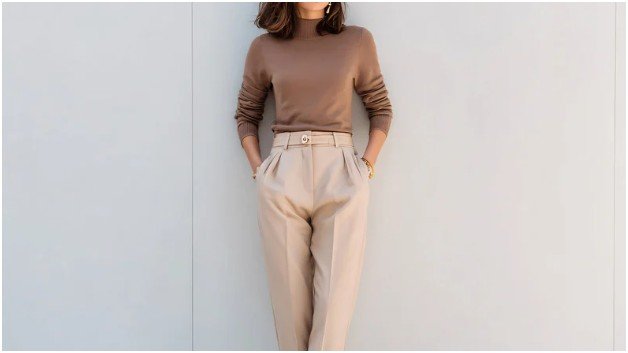
Minimalist fashion isn’t about wearing the same thing every day or getting rid of everything you own. It’s about curating a wardrobe full of versatile, timeless pieces that work together seamlessly. Instead of having piles of clothes you wear only once or twice, you focus on quality, longevity, and items that flatter your personal style.
I quickly realized that embracing this approach meant fewer but better clothes—ones I actually wear. No more impulse buys or wasting time figuring out what to pair together. I found that having a minimalist wardrobe made my life easier and, honestly, more stylish.
How Do You Start Building a Minimalist Wardrobe?
So, how do you begin? You don’t need to toss everything out at once. This process is gradual, and trust me, it doesn’t feel as daunting as it sounds. Here’s how you can take the first step toward building your minimalist wardrobe:
Step 1: Audit Your Closet and Declutter
The first step in creating a minimalist wardrobe is to figure out what’s actually in your closet. Go through your clothes and separate them into three piles: “Love It,” “Nope,” and “Maybe.” Be honest with yourself—if you haven’t worn something in over six months, it’s probably time to part ways. Decluttering helps you see the pieces that really matter, and you’ll feel lighter knowing that everything you own has a purpose.
Step 2: Invest in Quality, Not Quantity
Minimalism is about quality over quantity. Rather than buying a bunch of fast-fashion pieces that fall apart after a few wears, I invested in well-made items that will stand the test of time. Look for clothes made from durable fabrics like cotton, wool, and linen. I’ve found that sticking to these fabrics makes it easier to create versatile looks that can last for years.
Step 3: Define Your Personal Style
Minimalism isn’t about following trends; it’s about finding what works for you. Think about your lifestyle and your preferences. Do you prefer a classic, polished look? Or are you more into cozy and relaxed styles? Identifying your style makes it easier to choose pieces that you’ll wear again and again.
How Do You Choose the Right Pieces for a Minimalist Wardrobe?
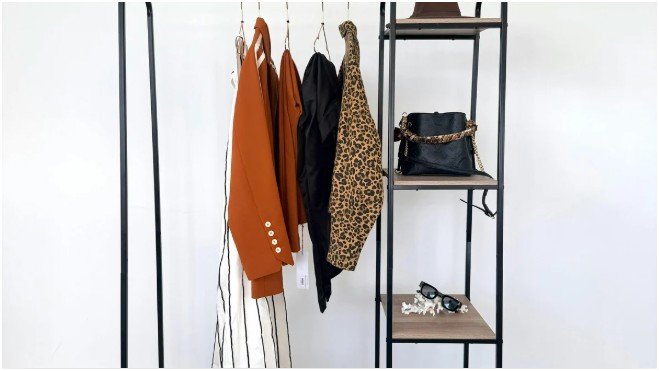
Building a minimalist wardrobe is about curating pieces that mix and match effortlessly. You want to choose items that are timeless, versatile, and fit well. Here’s what to look for:
Tops: Classic and Simple
Start with the basics. A well-fitting white t-shirt is a must-have. Add a neutral tank top, a button-down shirt, and a few layering knits for colder weather. These pieces can be dressed up or down and work for nearly every occasion.
Bottoms: Versatile and Flattering
A great pair of jeans (I prefer straight or slim-fit styles) and black trousers are the foundation of any minimalist wardrobe. You can also throw in a pair of chinos or casual pants for more variety. Make sure everything fits well and flatters your body shape. Quality matters more than trends here.
Outerwear: Layer for Style
One or two well-tailored jackets or blazers are perfect for layering. A neutral trench coat is ideal for chilly weather, while a classic blazer adds sophistication to both casual and formal looks. Stick to neutral colors like navy or beige for easy mixing and matching.
How Can You Style Your Minimalist Wardrobe?
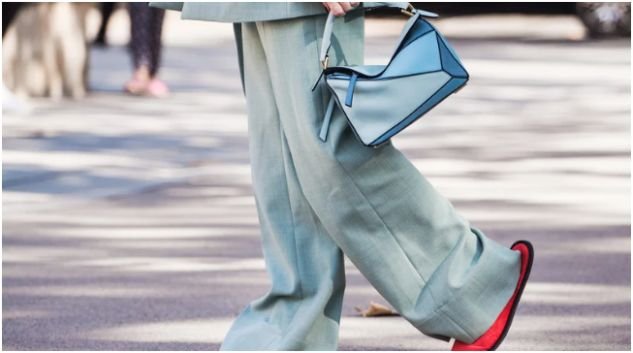
It’s easy to get stuck in a style rut with the same outfits every day. But minimalist fashion is all about creating endless combinations without overwhelming yourself. Here’s how to keep things fresh:
Mix Textures and Fabrics
A simple outfit of jeans and a t-shirt can look totally different if you mix up the fabrics. Try pairing a soft cotton tee with a leather jacket or a linen blouse with a pair of denim jeans. Layering textures gives depth to your outfit, and it’s an easy way to make something basic feel elevated.
Add Pops of Color (Without Going Overboard)
While minimalist fashion is known for its neutral palette, that doesn’t mean you can’t introduce a little color. Add a pop of color with an accessory—maybe a bold handbag or a pair of bright shoes. Just don’t overdo it. The goal is subtle, intentional touches.
Master Layering
Layering can completely change the look of an outfit. I’ve learned to play with proportions—pairing a loose top with tight pants or a long coat over a fitted dress. It’s all about balancing shapes to create a flattering silhouette.
FAQ: Your Minimalist Fashion Questions Answered
1. How do I start building a minimalist wardrobe on a budget?
Building a minimalist wardrobe doesn’t mean spending a fortune. Start by investing in a few timeless, high-quality pieces. Consider shopping secondhand or waiting for sales to grab classic items at a lower price. The key is to buy less but better, and over time, your collection will evolve.
2. Can I still follow trends if I embrace minimalist fashion?
Absolutely! Minimalism doesn’t mean ignoring trends; it’s about adopting them in a way that fits your personal style. If a trend fits into your minimalist wardrobe and complements your existing pieces, go for it. Just be selective and avoid jumping on every fleeting trend.
3. What are the best minimalist accessories?
Accessories in a minimalist wardrobe should be purposeful and subtle. Think about classic watches, simple jewelry, and structured bags that add interest without overwhelming your outfit. A well-chosen accessory can elevate your look without adding clutter.
Keep It Simple, Keep It Stylish: Minimalism Wins
Minimalism doesn’t mean boring—it’s about making intentional choices that work for your lifestyle and make getting dressed easier.
Once you simplify your wardrobe, you’ll be amazed at how much more you enjoy wearing your clothes. It’s not just about reducing clutter, it’s about embracing timeless style that fits your everyday life.
My tip: Start small. Declutter one section of your closet at a time, and focus on buying quality pieces that will last. Minimalism is a journey, not a destination—and it’s one I’m happy I started.