
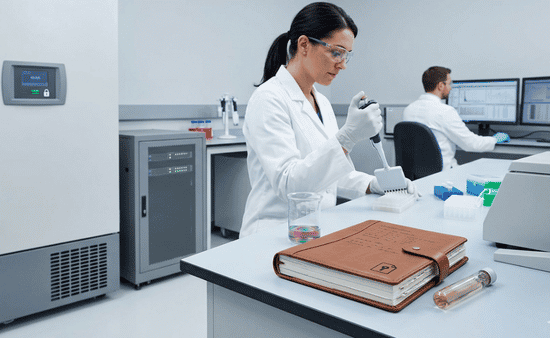
Research represents a massive commitment of time, money, and human energy. Laboratories and institutions pour years of effort into securing grants, gathering data, and conducting complex experiments. When an unexpected disaster strikes, these valuable assets can vanish in an instant. Equipment failure, data breaches, and human error routinely threaten the progress of critical scientific breakthroughs.
The highly collaborative nature of modern science adds another layer of complexity to this challenge. Information and materials frequently move between different universities, private corporations, and international borders. Every time an asset changes hands, the risk of loss or contamination increases significantly.
Protecting these investments requires a proactive approach to risk management. You cannot simply wait for a crisis to occur before developing a recovery strategy. A well-structured protection plan ensures that both physical samples and digital assets remain safe under any circumstances.
This guide outlines five fundamental strategies to safeguard your laboratory’s assets. By implementing these practices, facility managers and principal investigators can secure their research outcomes. You will discover practical methods to maintain sample integrity, protect intellectual property, and keep your projects moving forward without costly interruptions.
1. Maintain Comprehensive Data Backup Protocols
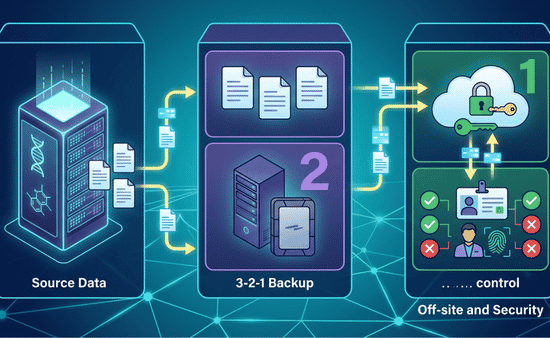
Digital information forms the backbone of modern scientific inquiry. Losing this data due to a cyberattack or server malfunction can set a project back by years. Implementing a strict data backup routine is the first line of defense against information loss.
Teams should utilize the standard 3-2-1 backup rule. This means keeping three copies of your data on two different storage media, with one copy located off-site. Cloud storage offers a reliable off-site solution, but it must feature end-to-end encryption to prevent unauthorized access.
Furthermore, laboratories should adopt strict access controls based on the principle of least privilege. Only essential personnel should have the ability to alter or delete raw data files. Regular audits of these backup systems and user permissions guarantee that the files remain uncorrupted and easily recoverable when needed.
2. Prioritize Physical Sample Security
Biological samples, chemical compounds, and cell lines require highly specific environmental conditions to survive. Temperature fluctuations can destroy months of work overnight. Upgrading your laboratory’s physical storage infrastructure is absolutely essential for preserving these delicate materials.
For materials requiring ultra-low temperatures, using reliable cryogenic freezers provides excellent thermal stability. Modern storage systems feature advanced monitoring alarms that alert staff the moment temperature levels deviate from the required baseline. High-quality aluminum construction also prevents corrosion while maximizing storage capacity.
Beyond the hardware itself, implementing a Laboratory Information Management System (LIMS) helps track the exact location of every vial. Knowing precisely where a sample resides minimizes the time freezer doors remain open, which prevents unnecessary temperature spikes.
3. Secure Intellectual Property Rights Early
Ideas and discoveries hold immense financial value. Failing to establish clear intellectual property rights early in the research process leaves your work vulnerable to theft or unauthorized replication.
Institutions must require all researchers, contractors, and collaborating scientists to sign clear non-disclosure agreements before a project begins. Maintaining detailed, signed, and dated laboratory notebooks provides critical evidence of exactly when a team made a specific discovery.
When a team makes a novel breakthrough, filing provisional patents immediately establishes a legal timeline of ownership. Working closely with specialized legal counsel ensures that your patents provide broad protection against competitors who might attempt to work around your specific claims.
4. Implement Robust Standard Operating Procedures
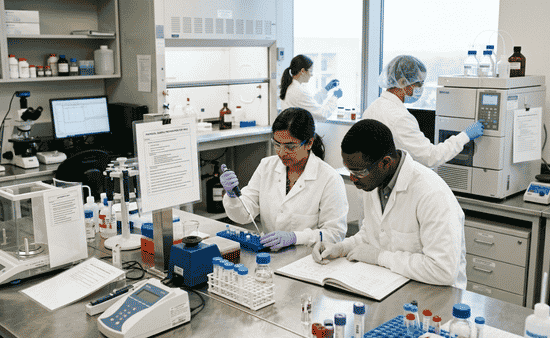
Human error remains one of the leading causes of laboratory accidents and compromised experiments. When staff members lack clear guidelines, the consistency of your methodology suffers. Establishing and enforcing Standard Operating Procedures minimizes these avoidable mistakes.
Every laboratory technique, from sample preparation to equipment maintenance, must have a documented workflow. Managers should review these documents annually to ensure they align with current industry standards.
Additionally, cross-training staff on these procedures prevents bottlenecks. If a key researcher falls ill or leaves the organization, other team members can seamlessly take over the work. When everyone follows the exact same procedures, the resulting data becomes highly reproducible and resilient against scrutiny.
5. Diversify Your Funding Sources
Financial instability poses a massive threat to long-term scientific projects. Relying entirely on a single government grant or private donor creates a single point of failure. If that funding dries up, the entire investigation might grind to a permanent halt.
Principal investigators should actively seek out multiple streams of revenue. This might include a combination of federal grants, private foundation endowments, and corporate partnerships. Creating a diversified financial portfolio allows the project to absorb unexpected budget cuts without sacrificing core operations.
Maintaining strong relationships with existing stakeholders also secures future funding. Providing clear, regular progress reports demonstrates responsible resource management. Financial resilience directly translates to scientific stability.
Sustaining Scientific Progress
Safeguarding scientific discovery demands continuous vigilance and strategic planning. The assets you produce hold the potential to change industries, improve lives, and advance human knowledge. Leaving those assets exposed to technical failures, legal challenges, or financial shortfalls simply is not an option.
By securing digital files, upgrading physical storage, and enforcing strict protocols, laboratories can operate with absolute confidence. Take the time to evaluate your current vulnerabilities and implement these protective measures. A fortified research environment guarantees that your hard work will survive to make a lasting impact.