
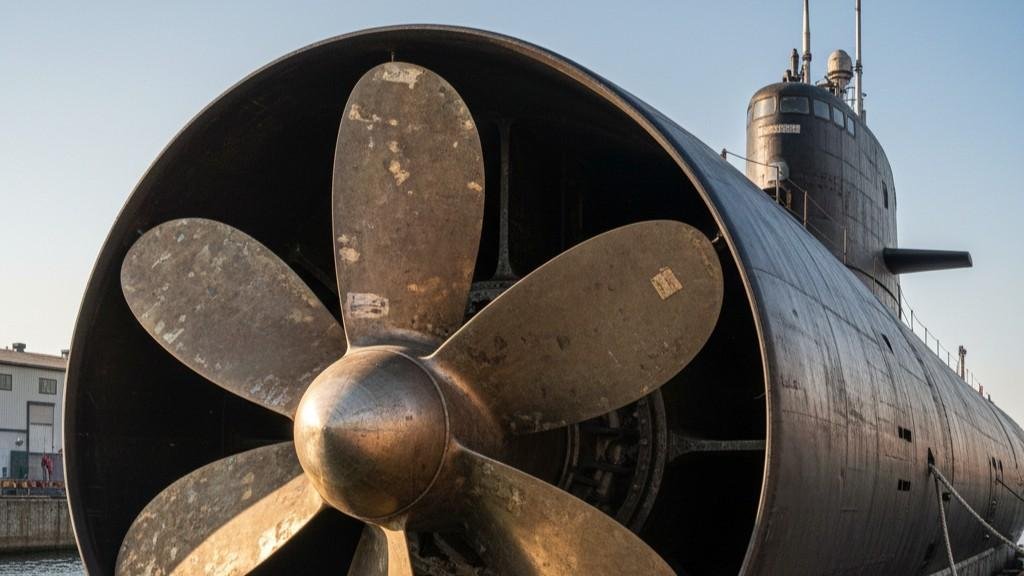
The indomitable forces of the ocean demand equally resilient and enduring materials to withstand its harsh environment. In the realm of marine engineering, one of the most significant contributions to a vessel’s longevity and integrity is the utilisation of marine-grade custom castings. High-quality castings ensure that ships, submarines, and offshore structures can navigate the tumultuous waters. While maintaining their structural integrity and functionality.
The Critical Role of Marine-Grade Castings
Skilled craft, precision engineering, and the use of robust materials form the foundation of marine-grade custom castings, thereby playing a pivotal role in marine applications. These customised components are critical for various marine systems, including propellers, pumps, valves, and engine parts, each designed to perform seamlessly in a saline environment that is inherently corrosive to standard grades of metal.
Durable Materials for Hostile Environments
Marine engineers constantly seek out materials that are inherently resistant to the omnipresent threats of corrosion, pressure, and impact in the marine setting. The metals used in marine-grade custom castings, such as brass, bronze, aluminium, stainless steel, and other alloys, are chosen and treated for their ability to resist these forces. This resistance ensures the longevity and reliability of maritime equipment and structures.
Customisation Meets Precision
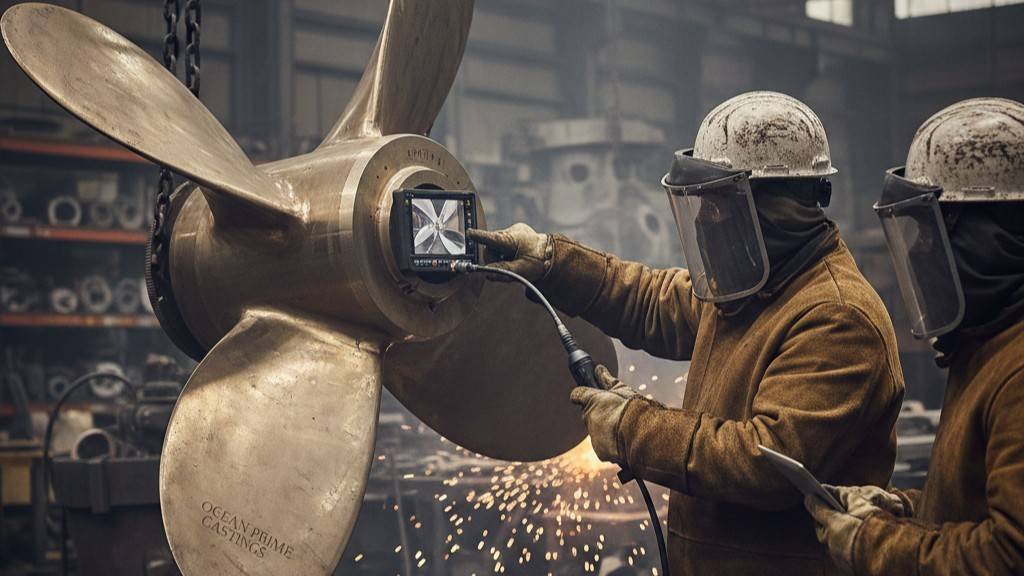
Marine vessels and structures come with unique design specifications, necessitating a customised approach to part manufacturing. Marine-grade custom castings are specifically fabricated to meet the unique demands of each marine project, whether it’s a component for a luxury yacht, a commercial tanker, or a naval destroyer.
Bespoke Solutions for Complex Problems
Off-the-shelf products often fall short of the specific requirements of the marine industry. This is where custom castings come into play, providing bespoke solutions that conform perfectly to complex geometries and precise tolerances demanded by the intricate designs of marine machinery.
Impact on Safety and Performance
The importance of these custom components cannot be overstated when considering the safety and performance of marine vessels. High-quality marine-grade castings are instrumental in preventing system failures that could lead to catastrophic events, highlighting their role in safeguarding lives and property at sea.
Cost-Effectiveness of High-Performance Castings
While the initial investment in marine-grade custom castings might be higher than standard castings, their durability and customisation potential make them a cost-effective choice in the long run. Reduced maintenance costs, fewer replacements, and extended service life make these custom solutions a prudent financial decision for marine operators.
Advancements in Casting Technologies
Advancements in casting technologies have enhanced the quality and intricacy of marine-grade castings. Innovative methods such as 3D printing have opened up new possibilities in creating even more complex and detailed parts, which can be crafted faster and with greater precision than traditional casting techniques.
Sustainable Marine Engineering Practices
As eco-consciousness rises within the industry, the sustainability of marine engineering practices has come into focus. The application of marine-grade custom castings facilitates the construction of more efficient engines and systems, thus reducing emissions and improving the green footprint of marine operations.
Regulations and Standards Compliance
Marine engineering is a heavily regulated industry. Manufacturers of custom castings must diligently ensure compliance with international standards and regulations. This adherence guarantees that materials and products can withstand the rigorous tests of marine use while upholding safety and environmental protocols.
Optimised Design through Innovative Castings
Marine-grade custom castings offer the flexibility to optimise design for peak performance. The ability to produce tailored components allows engineers to refine designs for hydrodynamic efficiency or to incorporate advanced features without being constrained by the limitations of standard parts.
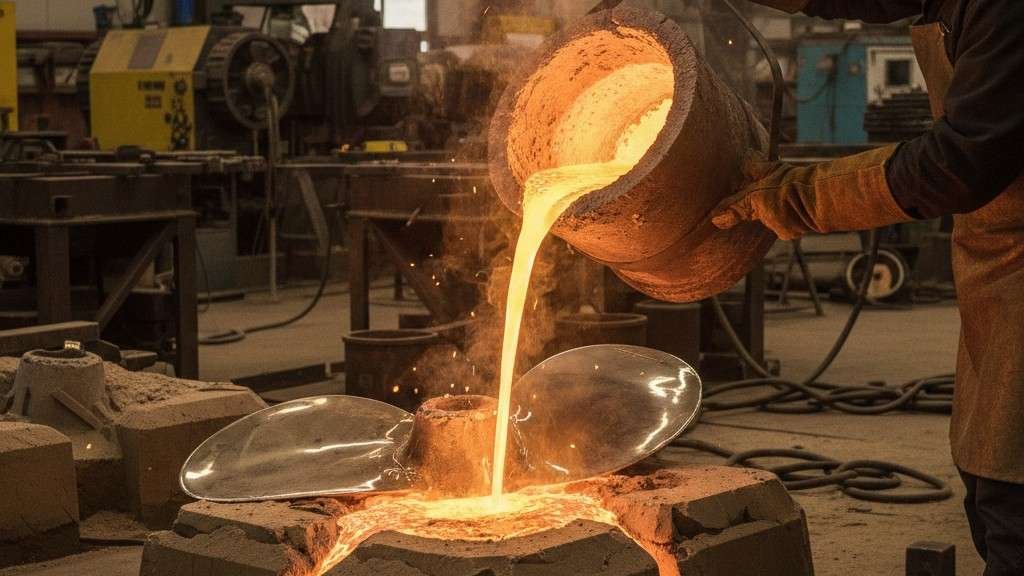
Challenges in Marine Casting Production
The process of producing customized castings for marine applications does not come without its challenges. High levels of expertise and quality control are required. To ensure that these parts do not have defects that could potentially lead to failure under stress.
The Value of Specialised Marine Casting Providers
The intricacies of producing castings for the marine industry underline the value of specialised providers. Companies that possess the expertise, technology, and commitment to quality are integral to the supply chain. Thereby ensuring that marine operators have access to products that meet their strict requirements.
Conclusion
The resilience and customisability of marine-grade custom castings are pivotal. Especially, in underpinning the safety, efficiency, and longevity of marine machinery and vessels. As the maritime industry continues to evolve, the demand for highly durable and precisely engineered castings will undoubtedly soar. The importance of these components cannot be downplayed. They are quite literally the building blocks upon which the safety and functionality of the entire marine industry rests.
Future Trends in Marine Engineering
As the industry moves towards autonomous vessels and renewable energy sources, the role of marine-grade castings will also evolve. Their adaptability to new designs and environmental demands will continue to place them at the forefront of marine engineering innovations.
It’s clear that in the quest for constructing seafaring vessels and structures capable of confronting the rigorous demands of the ocean environment. Marine-grade custom castings are more than just components. They are a testament to the ingenuity and resilience of human engineering. For one of the most challenging contexts on Earth.