

Light is a fundamental element of our daily lives, yet it is often one of the most overlooked components of residential design. We spend approximately 90% of our time indoors, separated from the natural solar cycle that guided our ancestors for millennia.
While artificial lighting provides convenience, it cannot fully replicate the profound biological, psychological, and aesthetic benefits of the sun. Understanding how to harness natural light is not just about home improvement; it is about reclaiming a vital connection to the world outside.
The Biological Foundation: Circadian Rhythms
The most significant impact of natural light is its influence on our internal biological clock, or circadian rhythm. Human biology has evolved to respond to the dynamic spectrum of sunlight.
For homeowners who want to improve rest naturally, learning about tracking the sun for better sleep can show how daily light exposure helps the body feel alert in the morning and ready to wind down at night.
In the morning, exposure to blue-rich sunlight signals the brain to suppress melatonin, the hormone responsible for sleep, while boosting cortisol and serotonin. This natural surge helps us feel alert, focused, and energized for the day ahead.
Conversely, artificial light often lacks this dynamic range. Many indoor bulbs provide a static color temperature that can confuse our internal systems.
Exposure to high-intensity artificial light late in the evening can lead to insomnia and decreased cognitive performance because the body never receives the “warm” light signals that naturally prepare it for rest.
By maximizing the entry of natural light into our homes, we allow our bodies to sync with the sun’s natural transitions from cool morning blues to warm evening oranges.
Psychological Well-being and Mental Clarity
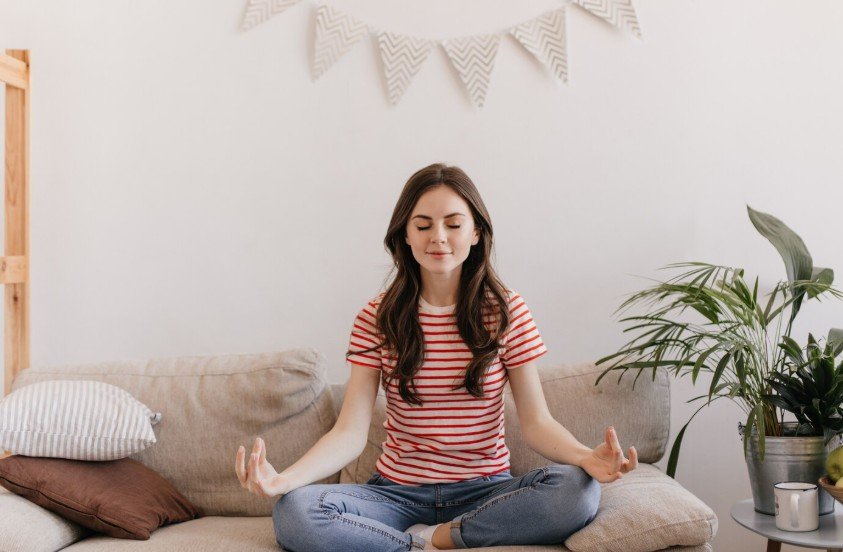
Beyond physical health, the psychological benefits of sunlight are well-documented. Sunlight exposure is a primary driver for the production of serotonin, often referred to as the “feel-good” chemical.
A lack of sunlight can lead to Seasonal Affective Disorder (SAD), a type of depression characterized by low energy and irritability, particularly during the shorter days of winter.
Furthermore, natural light has been shown to increase productivity and reduce stress. Unlike fluorescent lights, which are often associated with eye strain and headaches, sunlight provides a visual anchor to the outside world.
This connection to the time of day and current weather patterns reduces feelings of isolation and creates a sense of openness and vitality within a living space.
The Aesthetic Edge: True Color and Visual Space
From a design perspective, natural light is the gold standard for visual clarity. Sunlight has a Color Rendering Index (CRI) of 100, meaning it reveals the truest, most vibrant versions of colors in your home.
Under natural light, the subtle textures of wood grains, the richness of fabrics, and the precise hue of wall paint are all seen accurately, whereas artificial light can make spaces feel “muddy” or clinical.
Strategic use of light can also transform the perceived size of a room. Natural brightness is also one of the most timeless luxury home features, because it makes interiors feel larger, cleaner, more elegant, and more connected to the outdoors.
Natural light helps eliminate dark corners, making even small areas feel larger and more connected.
By using reflective surfaces like mirrors or glass coffee tables, homeowners can bounce sunlight deep into the interior, amplifying the brightness without adding a single light fixture.
Practical Strategies for a Brighter Home
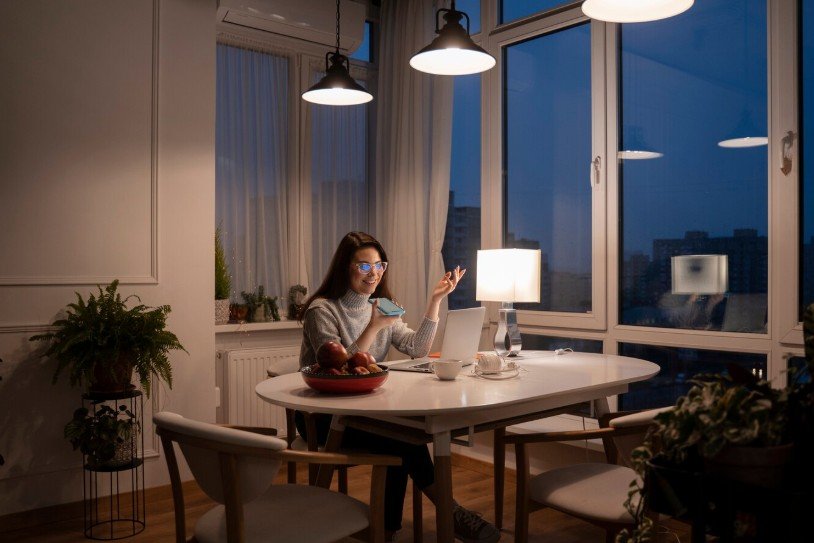
Maximizing natural light requires more than just opening the curtains; it involves intentional design and maintenance. To truly transform your environment, consider the following strategies:
- Furniture Placement: Position larger items like bookshelves and high-backed sofas away from windows to prevent them from obstructing the flow of light.
- Material Selection: Opt for sheer, lightweight window treatments that provide privacy while still allowing sunlight to filter through.
- Reflective Accents: Use light-colored paints—such as soft whites or pale grays—on walls and ceilings to reflect light rather than absorb it.
- Technology Integration: Modern solutions like smart blinds can be programmed to follow the solar cycle, ensuring your home is always optimized for the time of day.
The Importance of Maintenance
The quality of light entering your home is directly dependent on the condition of your windows. Dirt, grime, and environmental buildup can significantly reduce light transmission, making your interiors feel dim even on the brightest days.
For those living in Northern Utah, scheduling professional residential window cleaning in Layton is a practical and effective way to ensure your home captures every available lumen. Keeping glass clear not only improves light entry but also protects your window surfaces from long-term damage.
Conclusion
Natural light is a powerful, free resource that enhances our health, mood, and the beauty of our homes. By understanding its biological importance and implementing simple design changes, you can transform a dull interior into a vibrant, sunlit sanctuary.
Whether it is through smarter furniture placement or ensuring your windows are sparkling clean, inviting the sunshine indoors is one of the best investments you can make for your long-term well-being.