
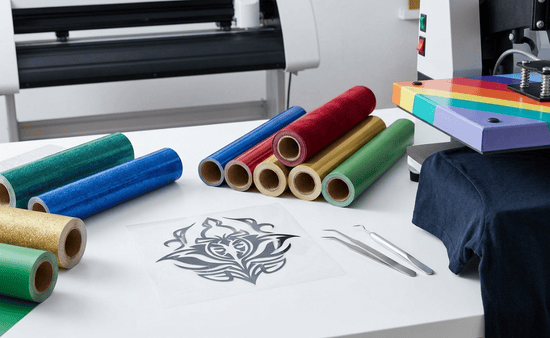
Heat Transfer Vinyl (HTV) has become a popular method for customised fabric decoration, offering versatility and professional results for hobbyists and businesses alike. This guide explores the fundamentals of heat transfer vinyl, its uses, and methods for achieving the best results in various applications.
Understanding Heat Transfer Vinyl
Heat transfer vinyl is a speciality material designed to be cut into shapes or designs, then transferred onto fabric or other surfaces using heat and pressure. The vinyl typically consists of two layers: the coloured vinyl film and a heat-activated adhesive backing. When applied correctly, HTV adheres firmly to the substrate, creating durable, flexible, and vibrant designs.
Types of Heat Transfer Vinyl
There are multiple types of heat transfer vinyl available, each suited for different applications and fabrics. Standard vinyl is commonly used for cotton and polyester garments, while stretchy vinyl accommodates athletic wear or materials with elastane content. Specialty vinyls include glitter, metallic, flocked, and reflective finishes, offering unique visual effects for creative projects.
Essential Equipment for HTV Applications
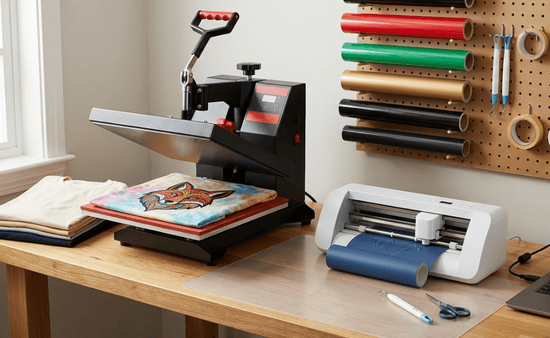
Successful HTV application requires specific tools. A vinyl cutter or plotter is necessary for precise design creation. Heat presses provide consistent and regulated temperature and pressure, essential for proper vinyl adhesion. While domestic irons may suffice for very small projects, they rarely deliver the uniform heat required for professional results.
Choosing a Heat Press
Heat presses come in various sizes and configurations, including clamshell, swing-away, and drawer models. Selecting the appropriate press depends on the target fabric, project size, and production volume. Consistency in temperature and pressure settings is crucial to avoid vinyl peeling or incomplete adhesion.
Preparing the Design and Material
Before cutting the vinyl, it is necessary to create or select a design tailored to the intended use. These designs may be made with graphic software, ensuring proper sizing and mirrored orientation. The vinyl must also be weeded after cutting, a process of removing excess material to leave only the desired design on the carrier sheet.
Fabric preparation is equally important. The substrate should be clean and free of wrinkles or moisture, which can hinder adhesion. Pre-pressing the fabric for a few seconds removes creases and ensures a smooth surface for vinyl application.
Applying Heat Transfer Vinyl
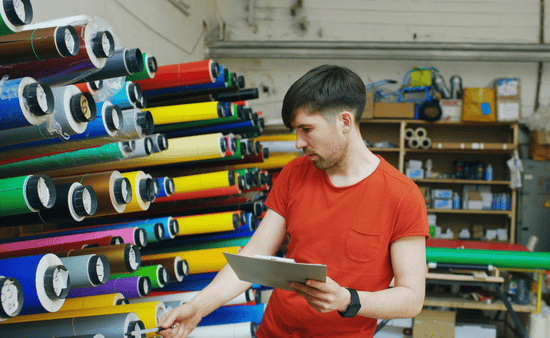
Application involves placing the HTV design onto the fabric with the carrier sheet facing upwards. The heat press settings vary depending on the vinyl type but typically range between 140°C to 160°C. The pressing time usually spans from 5 to 20 seconds, with pressure adjusted to medium to firm.
Once the heat and pressure cycle is complete, the carrier sheet can be either hot-peel or cold-peel, depending on the vinyl specification. It is crucial to follow the manufacturer instructions to prevent lifting or distortion of the design.
Post-Application Care
After the vinyl has been applied, the garment should be allowed to cool completely. Washing instructions generally recommend turning the garment inside out, using cold water, and avoiding bleach or fabric softeners to prolong the design’s lifespan. Line drying is preferred to maintain vinyl integrity over multiple wash cycles.
Common Mistakes to Avoid
Certain errors frequently hinder the quality of HTV projects. Inadequate heat or pressure can result in poor adhesion, while excessive heat may cause vinyl melting or fabric damage. Failure to mirror designs before cutting or improper weeding can also compromise the aesthetic outcome. Consistent attention to detail and adherence to manufacturer guidelines help mitigate these issues.
Choosing Quality Heat Transfer Vinyl
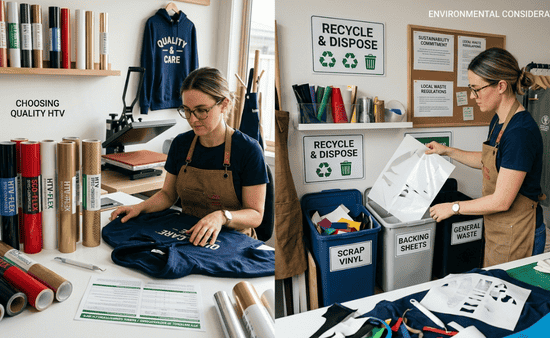
The selection of vinyl profoundly impacts the final product’s durability and appearance. Reliable suppliers provide detailed product specifications and compatibility information. For those interested in exploring options, a comprehensive range of heat transfer vinyl can be found that caters to various project requirements, including different finishes and fabric compatibilities.
Environmental Considerations
Some heat transfer vinyl options are created with eco-friendly materials or lower impact processes. Considering the environmental footprint when selecting vinyl aligns with sustainable manufacturing principles. It is also advisable to ensure the disposal of scrap vinyl follows local regulations to reduce waste.
Applications of Heat Transfer Vinyl
Heat transfer vinyl is widely used in custom apparel, promotional merchandise, sportswear, and home textiles. It allows for quick changes in design and low-volume production runs, proving highly beneficial for short turnaround times. Additionally, HTV is utilised in crafting projects, including bags, hats, and pillowcases, where personalised decoration is desired.
Advanced Techniques and Tips
As users become proficient, layering different vinyl colours and textures can create complex and eye-catching designs. Combining vinyl with other embellishment methods like embroidery adds dimension and uniqueness. Advanced users should experiment with varying pressure and temperature settings to optimise results for new vinyl types or fabric blends.
Conclusion
Mastering heat transfer vinyl involves understanding the materials, equipment, and processes involved to achieve professional results consistently. This guide outlines critical steps and considerations from selection and preparation to application and post-care. For individuals or businesses seeking quality vinyl solutions, exploring specialised suppliers ensures access to a variety of products tailored to specific needs.