
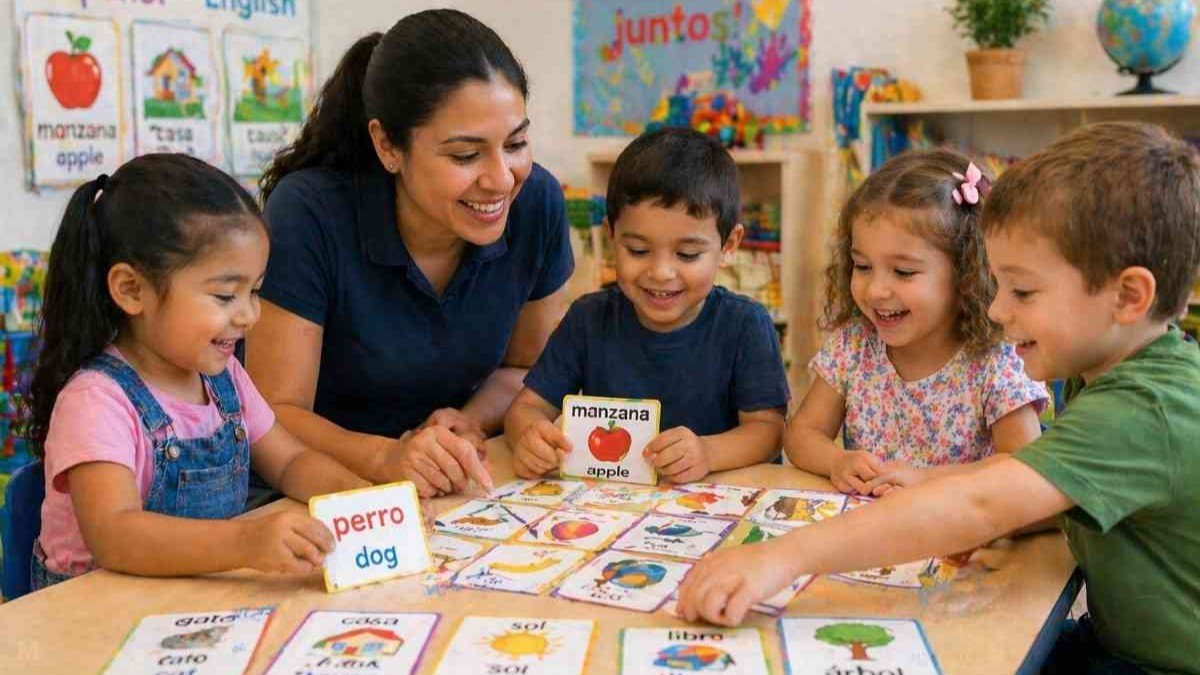
In today’s connected world, many parents want to give their children a strong educational start. One approach gaining traction is bilingual education, especially in early childhood. Teaching children more than one language at a young age can support their academic success, social development, and future opportunities. Early exposure to two languages does more than improve communication; it helps children develop confidence, creativity, and adaptability. Understanding these benefits can help parents make informed decisions about their child’s education.
Why Early Childhood Is the Best Time to Learn Another Language
Young children’s brains are highly flexible and absorb new information quickly, making it easier for them to learn languages. Because young learners aren’t afraid to make mistakes, the process often feels natural. They learn through enjoyable activities like play, songs, and stories, which creates a relaxed environment. Parents may also notice that children in early bilingual education develop stronger listening and comprehension skills. These abilities support all academic subjects, laying the groundwork for future success.
Cognitive Benefits of Bilingual Education
One of the most recognized advantages of bilingual education is its positive effect on brain development. Learning two languages encourages the brain to work in flexible and creative ways. Children must switch between languages, remember vocabulary, and understand different sentence structures. These mental exercises strengthen cognitive abilities over time.
Improved Memory and Focus
Children in bilingual programs often show stronger memory and attention skills. They learn to focus on specific tasks while managing multiple pieces of information at once. This ability can help them stay organized and complete schoolwork more efficiently.
Better Problem-Solving Skills
Using more than one language encourages children to think critically and find creative solutions. They learn to approach challenges from different perspectives, which can improve decision-making and reasoning skills. These problem-solving abilities continue to benefit students as they progress through school.
Greater Mental Flexibility
Switching between languages helps children adapt quickly to new situations. This flexibility supports learning in many areas, including reading comprehension, teamwork and creativity in everyday life. Strong mental flexibility also prepares children to handle changes and challenges with confidence. These cognitive benefits highlight why bilingual education is often seen as an investment in a child’s future success.
Social and Emotional Advantages of Learning Two Languages
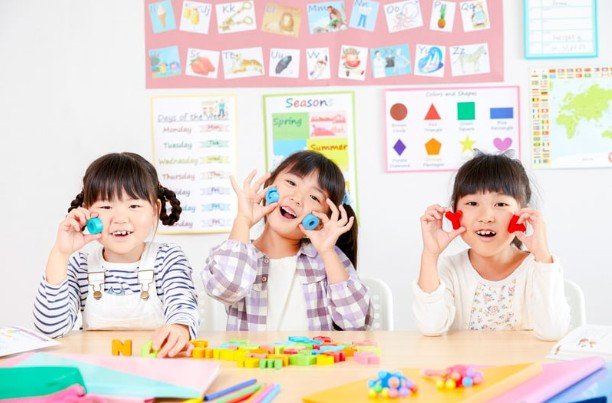
Bilingual education also plays an important role in social and emotional development. Children who learn multiple languages often become more confident in communicating with others. They feel comfortable expressing their thoughts and ideas in different settings.
Stronger Communication Skills
Learning another language expands a child’s ability to connect with people from different backgrounds. Children learn how to listen carefully, respond thoughtfully, and share their ideas clearly. These communication skills are essential for building friendships and working with others.
Increased Cultural Awareness
Learning a new language introduces children to different traditions, stories, and ways of thinking. This helps them develop empathy and respect for diversity. Childcare planning by parents in multicultural communities, this awareness can strengthen relationships and create a sense of belonging.
Higher Confidence and Independence
As children learn a new language, they often feel proud of their achievements. This accomplishment encourages independence and motivates them to continue learning. The confidence gained in early childhood can influence their academic performance and social interactions for years, supporting a well-rounded educational experience and preparing them for future challenges.
Academic Benefits That Last Beyond Preschool
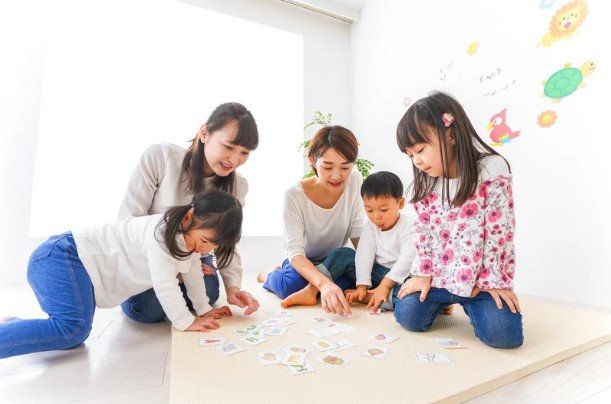
The advantages of bilingual education extend well beyond the preschool years. Children who participate in language immersion programs often perform well academically as they move into elementary and middle school.
Stronger Reading and Writing Skills
Learning two languages helps children understand how language works. They become familiar with grammar patterns, vocabulary, and sentence structure. This understanding can improve reading comprehension and writing ability in both languages. Writing help to understand themselves better.
Enhanced Academic Performance
Bilingual students often demonstrate strong performance in subjects such as math, science, and social studies. Their ability to analyze information and think critically supports learning across different academic areas.
Preparation for Future Opportunities
Language skills can open doors to travel, higher education, and career opportunities later in life. Employers and universities often value individuals who can communicate in more than one language. Early bilingual education provides a valuable advantage in an increasingly global society. These long-term academic benefits make bilingual education a meaningful choice for families planning for their child’s future.
What to Look for in a Quality Bilingual Program
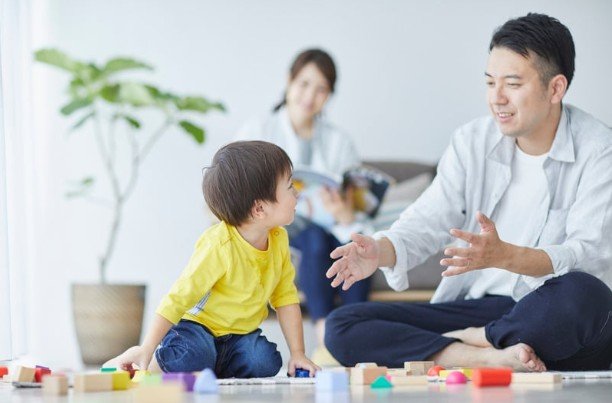
Choosing the right program is an important step in supporting a child’s development. Parents should consider several factors when evaluating a bilingual or immersion school.
Experienced and Supportive Teachers
Teachers should be fluent in the language they teach and trained in early childhood education. Skilled educators know how to create engaging lessons that encourage participation and curiosity. A positive relationship between teachers and students supports confidence and motivation.
Balanced Curriculum and Learning Environment
A strong program combines language learning with social, emotional, and academic development. Activities should include storytelling, creative play, hands-on learning, and group interaction. A balanced approach helps children stay interested and excited about learning.
Clear Communication With Families
Regular communication between teachers and parents helps ensure children receive consistent support. Updates on progress, classroom activities, and learning goals allow families to stay involved in their child’s education. Strong communication builds trust and strengthens the school community. Careful evaluation of these factors can help families choose a program that meets their child’s needs.
Conclusion
Bilingual education offers more than just language skills—it supports cognitive growth, social development, and academic success during a child’s most critical years. Children who learn two languages early often become confident learners, ready to explore new opportunities. Families considering a Spanish immersion school in San Antonio can be assured that early bilingual education helps children build essential skills for school and life. These early years present a powerful window for learning, making bilingual programs a valuable investment in a child’s bright and successful future.