
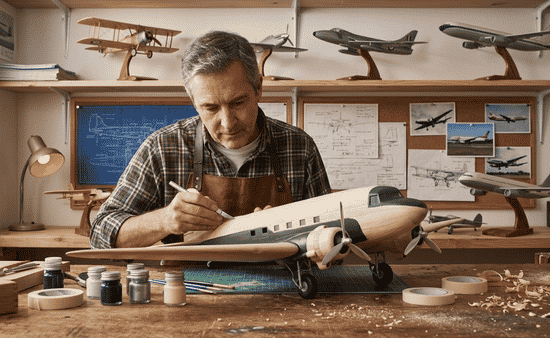
Aviation displays capture attention, whether in offices, museums, or personal collections. Realistic aircraft replicas, especially wooden airplane models, highlight the beauty and intricacies of aviation design and are noted for their craftsmanship, durability, and timeless appeal.
Creating these detailed displays is a complex process that demands technical knowledge, artistic talent, and patience. Skilled artisans transform raw materials into lifelike representations, with each step contributing to an accurate, high-quality final product. Understanding this process reveals why these models are so valued by collectors and aviation enthusiasts worldwide.
Careful Research and Planning Before Construction
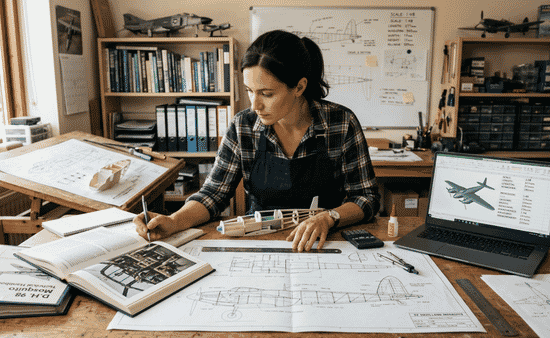
Every realistic aviation display begins with thorough research. Artisans study aircraft blueprints, photographs, and technical manuals to understand the plane’s structure and proportions. This preparation ensures the finished model is authentic and closely matches the original aircraft. Since even small errors can affect the final appearance, accurate planning is essential.
Measurements must be precise, and scale calculations must align with the intended display size. Before construction, many artisans create sketches or digital designs to guide the project and maintain consistency. This detailed preparation helps artisans avoid mistakes and produce a model that accurately reflects the aircraft’s design.
Selecting High-Quality Materials for Durability
The materials used for an aircraft replica greatly affect its longevity and appearance. Wood is popular for its strength, versatility, and ease of shaping. High-quality hardwoods provide stability and maintain the model’s structure over time. Artisans often use lighter woods for wings and denser woods for the body to ensure balance and durability. This careful material selection allows for smooth finishes, enhancing the display’s visual appeal and preventing damage.
Precision Carving and Shaping Techniques
Carving is a critical step in creating realistic aviation models. Skilled artisans use specialized tools to meticulously shape each part of the aircraft, requiring patience, a steady hand, and close attention to detail. Every curve and angle must precisely match the original aircraft’s design.
The wings must be symmetrical, the engines correctly aligned, and the body properly proportioned. This painstaking process transforms raw materials into a recognizable aircraft, ensuring both a realistic appearance and structural integrity.
Painting and Finishing for Authentic Appearance
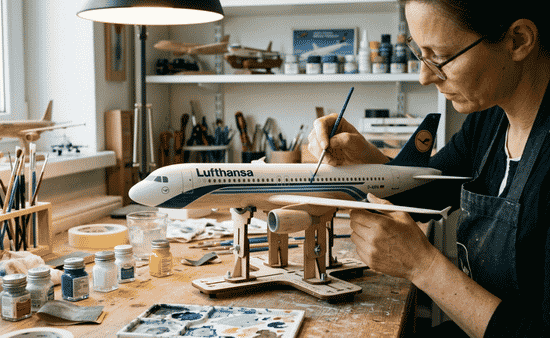
The painting stage is where the model truly comes to life, adding the color, texture, and markings that make the aircraft recognizable. Artisans carefully apply paint to replicate airline logos, military insignia, or historical designs. Before painting, the wood is sanded to create a smooth base for even paint adhesion.
Multiple coats of paint and protective layers are often applied to achieve a polished look and protect the model from dust and wear. This attention to detail enhances realism, making the display more visually striking for collectors.
Ensuring Accuracy Through Quality Control
Quality control is a critical final step. Once a model is built and painted, artisans meticulously inspect it to ensure every detail meets their high standards. This review catches any imperfections that need correcting before the display is delivered.
The process includes verifying alignment, confirming measurements, and examining the finish for flaws. Even minor adjustments can enhance the model’s appearance and durability. This commitment to quality ensures the final product meets expectations, maintaining the reputation of handcrafted aviation displays and increasing their long-term value.
Creating Custom Displays for Collectors and Businesses
Aviation enthusiasts and organizations often request personalized models to commemorate special events, aircraft, or historical milestones. These unique creations can become centerpieces in offices, conference rooms, or exhibition spaces.
For collectors, a personalized design reflects their individual interests and experiences. For businesses, a custom model can showcase their aviation heritage or company accomplishments. This level of customization adds emotional value, transforming the model into a meaningful symbol that makes a lasting impression.
Conclusion
Handcrafted aircraft replicas attract collectors by combining artistry, history, and craftsmanship. Their realistic details and durable construction make them suitable for long-term display in offices and homes. These models also serve as conversation pieces, inspiring curiosity about aviation and engineering.
The process of creating wooden airplane models reflects dedication and skill, as each stage requires careful attention to the original aircraft’s design. This commitment to quality ensures the model remains valuable for years. A well-crafted aviation display is more than just decoration; it celebrates the innovation and passion that define the world of flight.