
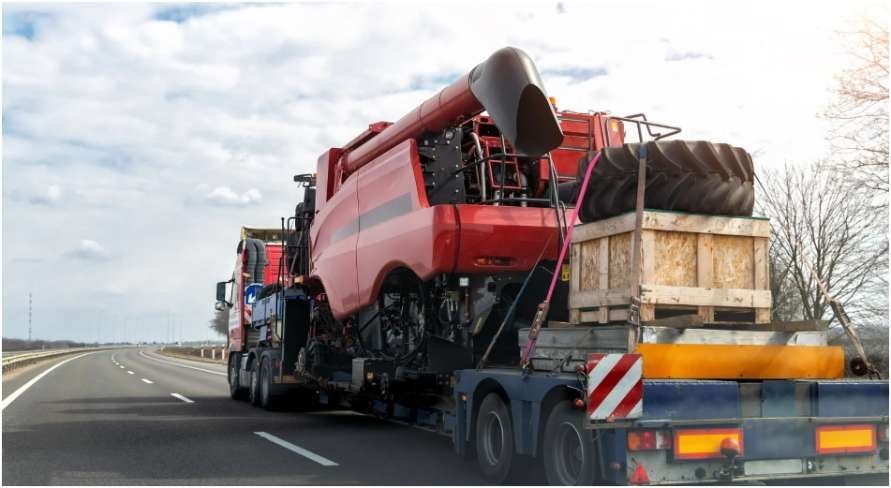
Relocating heavy equipment requires careful planning and flawless execution. A single mistake during transit can result in costly damage, project delays, or serious safety hazards. Selecting a competent transport provider ensures your valuable assets reach their new destination securely and on schedule. This guide breaks down the essential factors you must evaluate to select the best heavy hauling service for your needs.
Assess Your Equipment Requirements
Before you contact a transport company, you need a precise understanding of what you are moving. Machinery comes in various shapes, sizes, and weights. Document the exact dimensions, total weight, and center of gravity for each piece of equipment.
Note any fragile components or specific handling requirements. Some machines need climate-controlled environments, while others require specialized shock absorption. Providing accurate details allows the transport service to assign the correct trailer type and secure the necessary travel permits.
Verify Licensing and Insurance Coverage
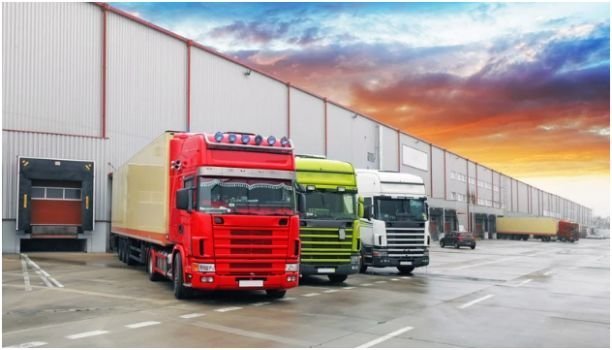
Moving heavy machinery across state lines involves strict federal and local regulations. Any legitimate transport service must hold active registration with the Department of Transportation and possess proper commercial driver licenses for their operators.
Insurance is equally critical. Basic liability coverage often falls short when transporting high-value industrial assets. Request a comprehensive certificate of insurance directly from their provider. Verify that their cargo coverage limit exceeds the total replacement value of your machinery. Ask about specific exclusions in their policy to guarantee you are fully protected against transit damage.
Evaluate Experience with Heavy Freight
General freight carriers often lack the specialized knowledge required for hauling oversized industrial equipment. You need a company that specializes in heavy machinery transport.
Look for providers with a proven track record of handling loads similar to yours. Experienced heavy haulers understand how to distribute weight properly on a trailer so that your machinery stay safe while travelling from one state to another. They know how to secure irregular shapes and anticipate routing challenges like low bridges, weight-restricted roads, and narrow clearances. Ask potential providers about the most complex moves they have completed recently to gauge their problem-solving capabilities.
Review Fleet Capabilities and Maintenance
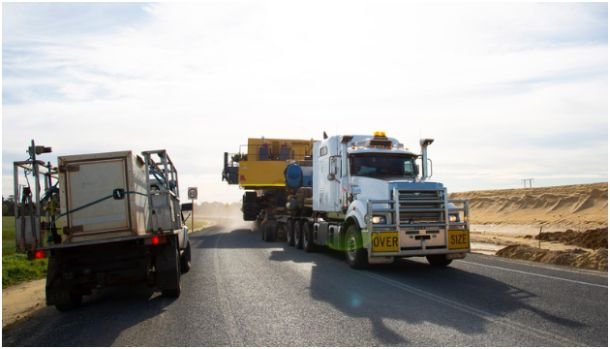
The condition and variety of a company fleet directly impact the safety of your machinery. A reliable transport provider maintains a diverse selection of trailers, including flatbeds, step decks, double drops, and removable goosenecks. This variety ensures they can match the specific requirements of your equipment.
Ask about their maintenance schedules. Well-maintained trucks and trailers reduce the risk of breakdowns during transit. A company that prioritizes fleet upkeep demonstrates a commitment to reliability and safety.
Consider Additional Preparation Services
Some machinery moves require extra support beyond simple point-to-point transportation. You might need rigging services to load and unload the equipment safely. Complex machines often require partial disassembly before transport and reassembly upon arrival.
Finding a transport provider who coordinates these extra steps simplifies your logistics. For example, some industrial moves require structural modifications to transport frames, demanding precision similar to projects involving welding and metal fabrication in Salt Lake City. Working with a company that understands these mechanical nuances ensures your equipment remains intact.
Understand Pricing and Contracts
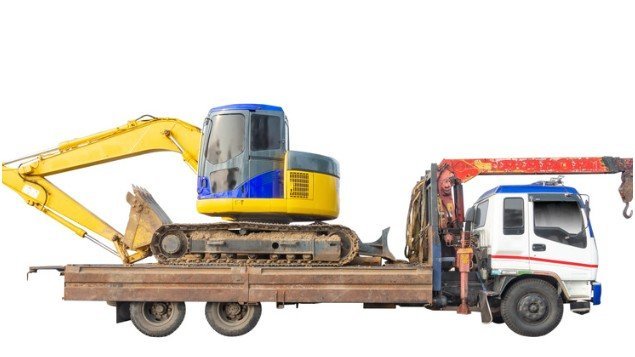
Obtain detailed, written quotes from multiple transport services. Be cautious of bids that come in significantly lower than the average market rate. Low prices often indicate hidden fees or inadequate insurance coverage.
A transparent quote should itemize all costs, including fuel surcharges, permit fees, pilot car services, and escort requirements. Review the final contract carefully before signing. Clarify their policies regarding delivery delays and dispute resolution.
Secure Your Logistics Strategy
Choosing the correct transport provider requires diligence and thorough research. By prioritizing experience, verifying credentials, and understanding your specific load requirements, you minimize risks and protect your investment. Start gathering equipment specifications today and request quotes from specialized heavy haulers to get your relocation project on the right track.