
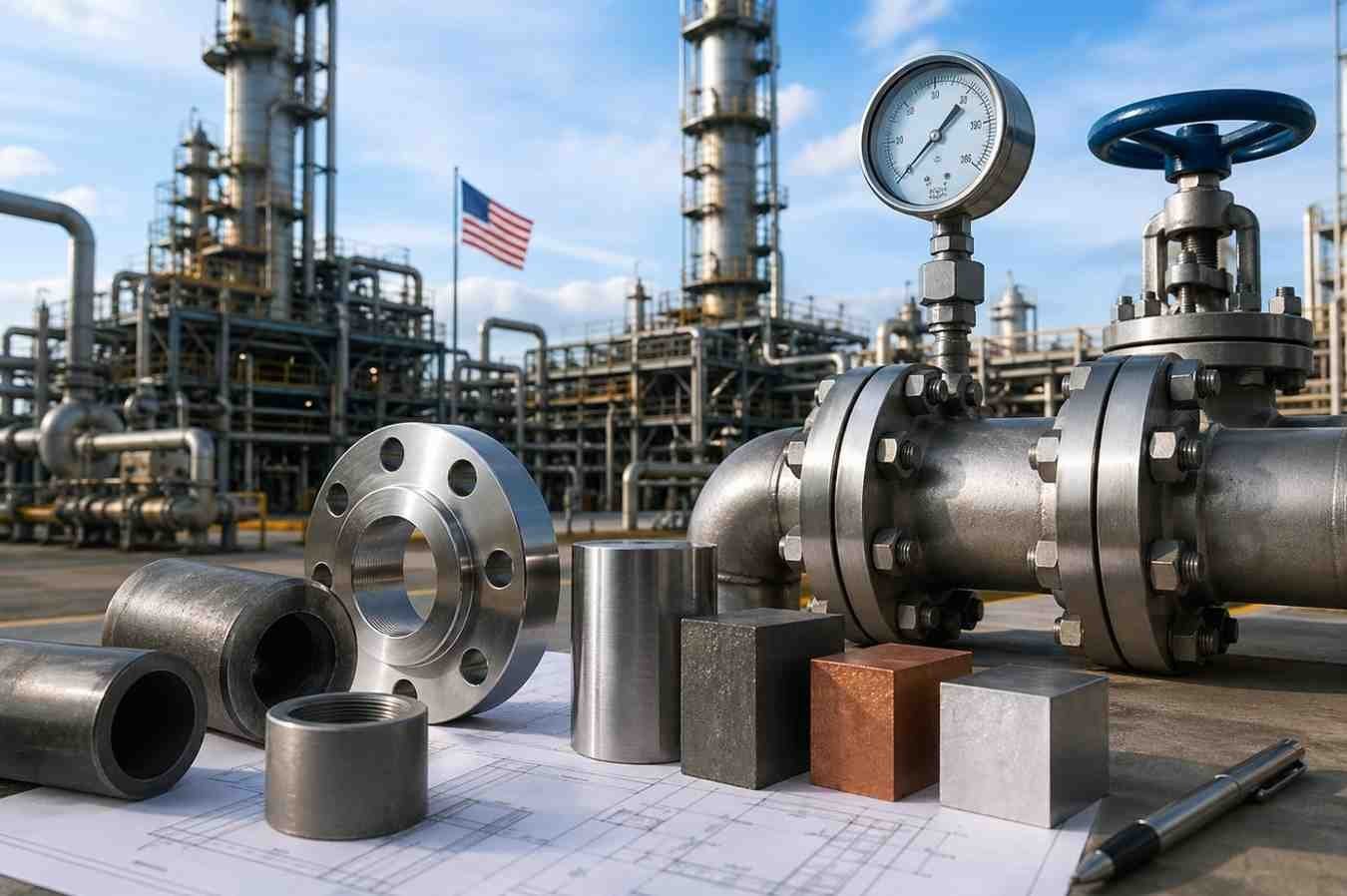
Selecting the right materials for a high-pressure fluid system is crucial, as components must withstand stress, harsh conditions, and corrosive fluids. The wrong choice can lead to catastrophic failures, downtime, and safety hazards. To ensure a safe and reliable system, it’s vital to understand the application’s demands by evaluating material properties, common alloys, and environmental factors.
Key Material Properties for High-Pressure Applications
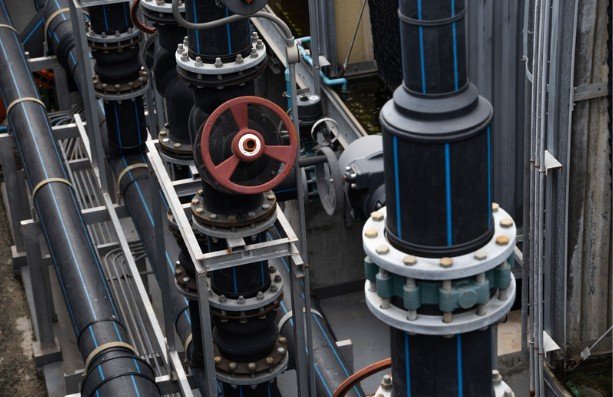
Not all metals and polymers behave the same under extreme stress. Evaluating a material’s core properties helps you predict how it will perform in a live environment.
Strength and yield point
High-pressure environments exert constant outward force on pipes, valves, and fittings. A material’s yield point indicates the maximum stress it can endure before it permanently deforms. You must select materials with a yield strength that comfortably exceeds the maximum expected pressure of your system with small fixes.
Corrosion resistance
Fluids can be highly reactive. Acidic chemicals, saltwater, and even standard industrial water can eat away at internal surfaces over time. Corrosion weakens the material, reducing its effective thickness and making it susceptible to ruptures. Selecting a highly corrosion-resistant material prevents this gradual degradation.
Temperature resistance
Pressure and temperature are closely linked in fluid dynamics. Materials that perform perfectly at room temperature might lose their structural integrity when exposed to extreme heat or freezing cold. Your chosen material must maintain its strength and flexibility across the entire operating temperature range.
Fatigue life
Systems rarely operate at a constant, unchanging pressure. Fluctuations, pulsations, and repeated pressurization cycles cause material fatigue. A high fatigue life ensures the material can withstand thousands of pressure cycles without developing microscopic cracks.
Common Materials Used in High-Pressure Systems
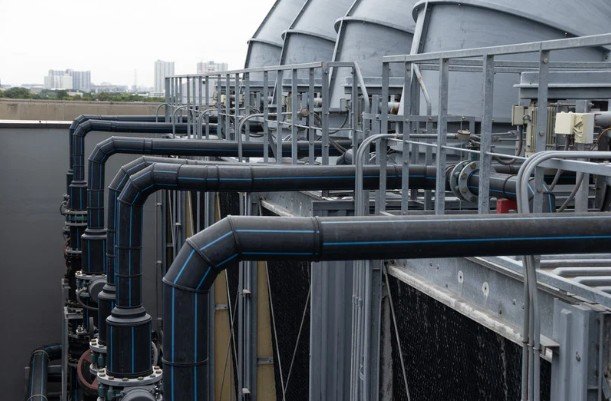
Engineers rely on a few proven categories of materials to build robust fluid handling networks. Each category offers a unique balance of cost, strength, and chemical resistance.
Stainless Steels (304, 316, Duplex)
Stainless steel is the industry standard for many fluid applications. Type 304 offers good baseline strength and corrosion resistance for general use. Type 316 includes added molybdenum, which significantly boosts its resistance to chlorides and harsh chemicals. For the most demanding environments, Duplex stainless steel combines high tensile strength with exceptional defense against stress corrosion cracking.
Carbon Steels
Carbon steel is highly durable and generally more cost-effective than stainless steel. It provides excellent tensile strength with long-term performance, making it ideal for high-pressure oil and gas pipelines. However, carbon steel is highly vulnerable to rust and corrosion. It usually requires protective coatings or is limited to systems handling non-corrosive fluids.
Exotic Alloys (Inconel, Hastelloy)
When extreme temperatures and highly aggressive chemicals are present, standard steels often fail. Exotic alloys like Inconel and Hastelloy contain high levels of nickel and chromium. These materials easily handle boiling acids, extreme pressures, and massive temperature swings. While they are expensive, they are essential for critical chemical processing and aerospace applications.
Factors Influencing Material Selection
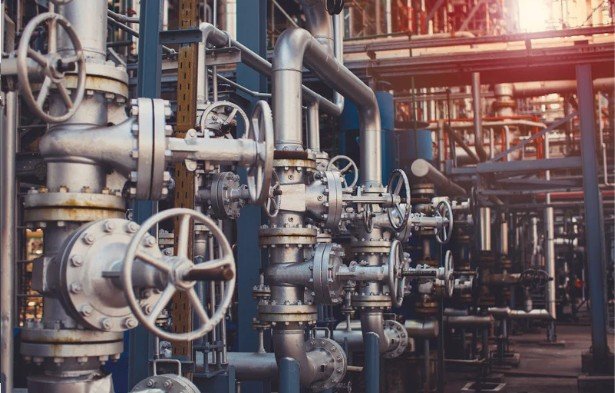
Choosing the right material means looking beyond the spec sheet and understanding the real-world conditions of your project.
Fluid Type and Corrosivity
The chemical makeup of the fluid dictates your baseline material requirements. Pumping purified water requires vastly different piping than transporting concentrated sulfuric acid. You must consult chemical compatibility charts to match the fluid with a non-reactive material.
Operating Pressure and Temperature
Calculate the absolute maximum pressure and temperature your system could experience, including potential surge events. Your material must be rated for these peak conditions, not just the standard operating baseline.
Environmental Conditions
External factors play a massive role in system longevity. For instance, if you are designing industrial piping in Utah, you must account for harsh winters and freezing ambient temperatures that can make certain metals brittle. Similarly, offshore systems must resist constant exposure to salty ocean air.
Testing and Validation of Materials
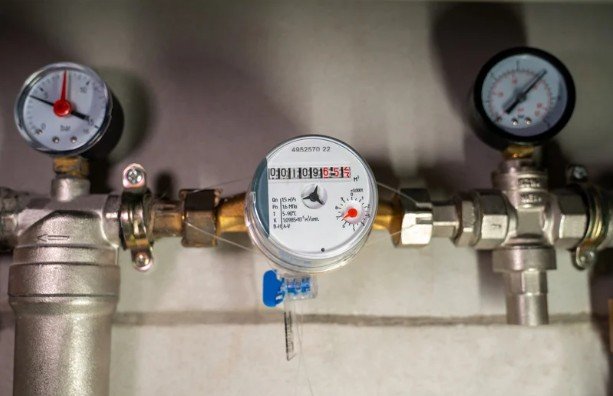
Even the best materials can have hidden manufacturing defects. Rigorous testing ensures every component is safe for field deployment.
Non-destructive testing (NDT)
NDT methods allow inspectors to check for internal flaws without damaging the component. Techniques like ultrasonic testing and X-ray radiography reveal hidden cracks and voids inside the metal.
Pressure testing
Before a system goes live, it undergoes hydrostatic or pneumatic pressure testing. The system is filled with water or gas and pressurized beyond its normal operating limits. This confirms that all materials and joints can handle the stress without leaking.
Material certification
Always source materials from reputable manufacturers who provide complete material test reports (MTRs). These documents certify the exact chemical composition and mechanical properties of the batch, proving it meets industry standards.
Conclusion
Building a safe high-pressure fluid network requires a deep understanding of metallurgy, fluid dynamics, and environmental conditions. Every decision, from material selection (like stainless steel or exotic alloys) to evaluating properties like yield strength and corrosion resistance, is critical for operational safety.