
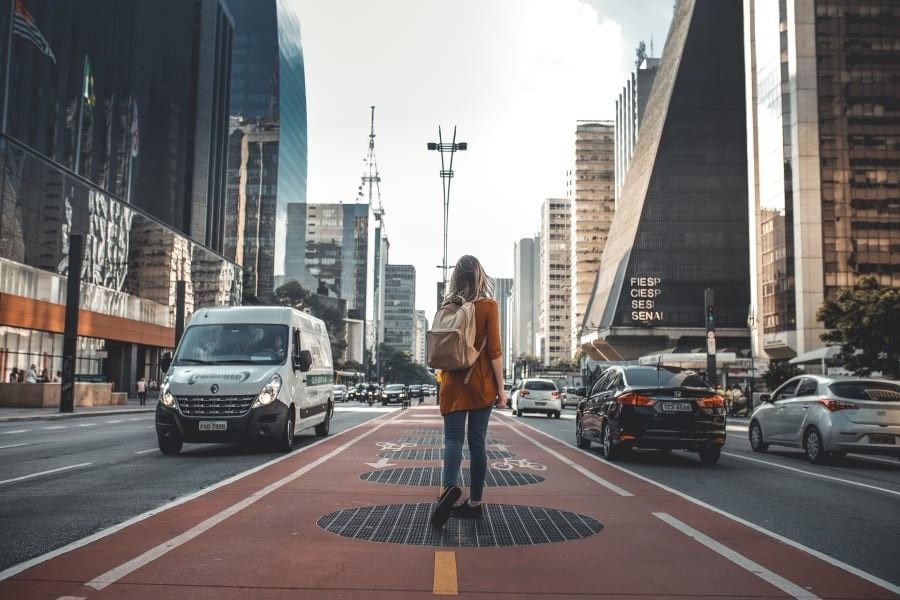
I used to think solo travel safety was just about “being careful.” That idea changed fast after my first real trip alone. One missed detail, one rushed decision, and I realized how quickly things can go wrong when you don’t have a backup.
That’s when I started building my own system—simple habits, smarter planning, and real-world awareness that actually works. Over time, these solo travel safety tips became second nature, and they completely changed how I travel. I stopped feeling anxious and started feeling in control.
If you’re planning your first solo trip—or even your tenth—this is exactly what I wish I knew earlier.
Why Are Solo Travel Safety Tips Important for Travelers?
Traveling alone means you don’t have someone double-checking decisions or watching your belongings. That doesn’t make it dangerous—it just means you need a system.
I’ve noticed that most travel issues come from poor planning, lack of awareness, or trusting the wrong situations. When you understand how to prevent problems before they happen, your confidence increases instantly.
Safety is less about reacting and more about staying one step ahead.
How Do I Prepare Before a Solo Trip to Stay Safe?
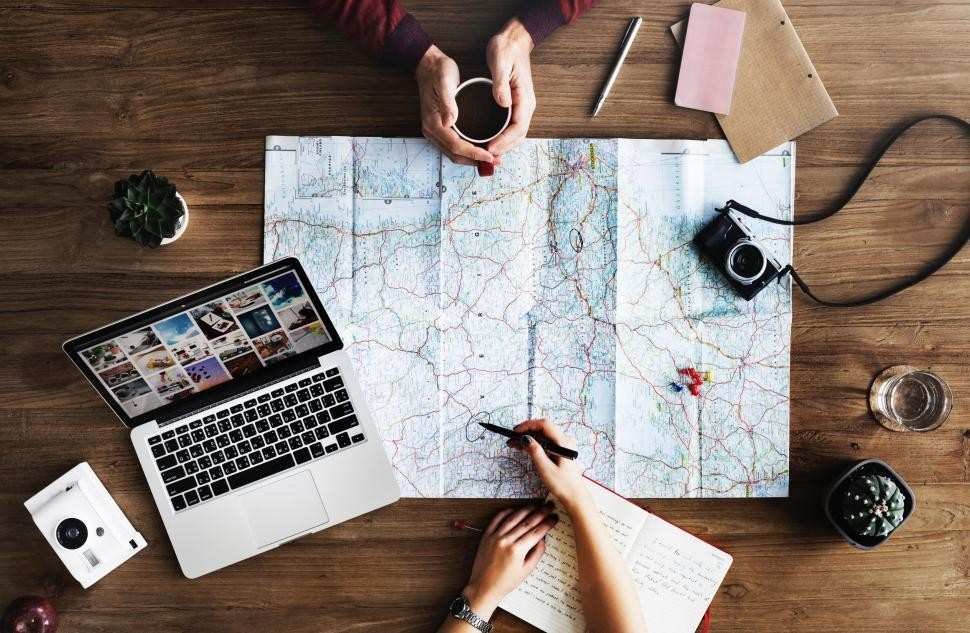
Preparation is where I spend most of my effort because it prevents problems later.
I always research my destination thoroughly. I look into local customs, laws, safe neighborhoods, and common scams. This helps me avoid standing out or making avoidable mistakes.
Before leaving, I share my full itinerary with someone I trust. I also enable location sharing using apps like Life360 or Find My so someone always knows where I am.
If you’re a U.S. traveler, I strongly recommend enrolling in the Smart Traveler Enrollment Program (STEP). It allows the embassy to contact you in emergencies and keeps you updated with safety alerts.
I never travel without insurance. Providers like World Nomads or SafetyWing give coverage for medical emergencies, trip interruptions, and evacuations.
I also save digital copies of my passport and keep physical copies in a separate bag. That simple habit has saved many travelers from major stress.
What Are the Best Solo Travel Safety Tips for Transportation and Arrival?
Arrival moments are when travelers are most vulnerable, so I plan them carefully.
I always schedule my arrival during daylight hours whenever possible. It’s easier to navigate, and there are more people around if I need help.
For airport transfers, I avoid random taxis and stick to verified rideshare apps or pre-booked transport. I always double-check driver details before getting in.
When using public transport, I stay aware of my surroundings and avoid displaying valuables. I keep my essentials in one secure place so I don’t fumble through bags in crowded areas.
How Do I Stay Safe While Exploring Alone During the Day and Night?
During the day, I move with purpose. I avoid constantly checking my phone and stay aware of who and what is around me.
One trick that works surprisingly well is blending in. I dress according to local norms and avoid flashy accessories or expensive gear that draws attention.
If someone asks if I’m alone, I never say yes. I usually mention that I’m meeting a friend or partner soon. Some travelers even wear a simple ring to avoid unwanted attention.
At night, I stick to well-lit, busy areas. If something feels off, I immediately step into a shop, restaurant, or hotel lobby. Public spaces are always safer than isolated ones.
I also stay mindful of alcohol. I never leave my drink unattended and avoid getting intoxicated in unfamiliar environments.
How Do I Choose Safe Accommodation and Secure My Room?
Where I stay directly impacts how safe I feel.
I usually prefer hotels over short-term rentals because they offer 24/7 staff, security systems, and controlled access. I choose central locations with strong reviews mentioning safety.
When I check in, I request a room on a higher floor but close to the elevator. This avoids isolated hallways while still adding a layer of security.
Inside the room, I lock everything and sometimes use a portable door lock or a rubber door wedge for extra protection.
I also avoid announcing my room number out loud or sharing my exact location online in real time.
How Do I Protect My Money, Documents, and Data While Traveling Alone?
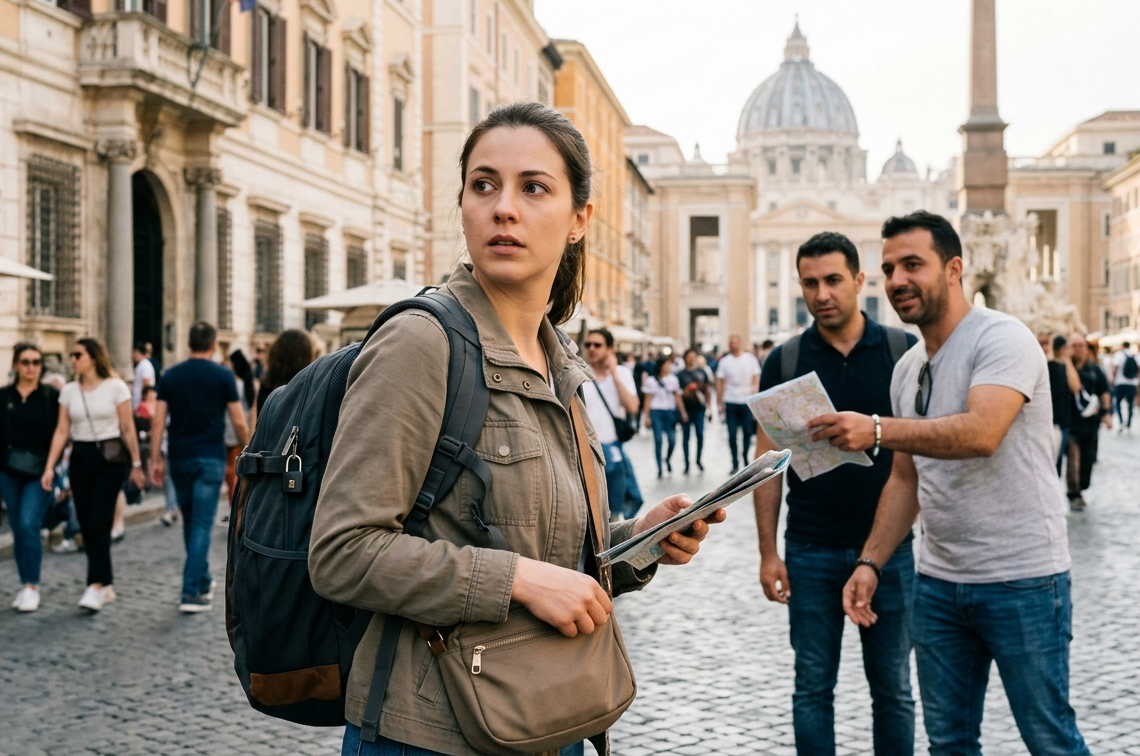
I never keep everything in one place.
I split my cash and cards into different compartments so I don’t lose everything at once. I also use anti-theft bags in crowded areas.
For documents, I carry copies and keep backups stored securely online. If anything gets lost, recovery becomes much easier.
When using public Wi-Fi, I always connect through a VPN like NordVPN or ExpressVPN. This protects my personal data and banking information from potential threats.
What Are Common Travel Scams and How Do I Avoid Them?
Scams exist everywhere, but once you recognize patterns, they’re easy to avoid.
I stay cautious of overly friendly strangers offering help, especially near tourist hotspots. I also avoid accepting unsolicited services or deals that seem too convenient.
Distraction scams are common. Someone creates confusion while another targets your belongings. Staying aware and not rushing helps prevent this.
Whenever something feels pressured or rushed, I pause. That simple habit has helped me avoid multiple risky situations.
How Do I Stay Connected and Ready for Emergencies?
Staying connected is non-negotiable for me.
I always carry a fully charged phone and a power bank. I make sure I have a local SIM or international plan so I can access maps and communicate easily.
I save emergency contacts, including local authorities and my country’s embassy. I also check in regularly with someone back home.
In terms of safety tools, I sometimes carry a personal safety alarm. Devices like Birdie can create loud noise and attract attention in risky situations.
What Should I Pack for Safety as a Solo Traveler?
Packing smart adds another layer of protection.
I always carry emergency cash in a separate location. I also keep printed copies of important documents and store digital backups in the cloud.
Small tools like a door lock, power bank, and safety alarm may seem minor, but they significantly improve peace of mind.
These small additions make a big difference when you’re traveling alone.
How-To: How I Plan a Safe Solo Trip Step by Step
When I plan a trip, I follow a simple routine that keeps everything organized. I also like to think of it as preparing the Essentials for a Smooth Adventure Road Trip, even when I’m flying.
First, I research the destination thoroughly, focusing on safety, transport, and local customs. Then I book my first stay and plan how I’ll reach it from the airport.
Next, I organize my documents, create backups, and set up my phone with maps, contacts, and apps.
Before leaving, I share my itinerary and confirm all bookings. Once I arrive, I take time to understand my surroundings instead of rushing.
This process has helped me travel confidently without unnecessary stress.
What Mindset Helps Me Stay Safe While Traveling Alone?
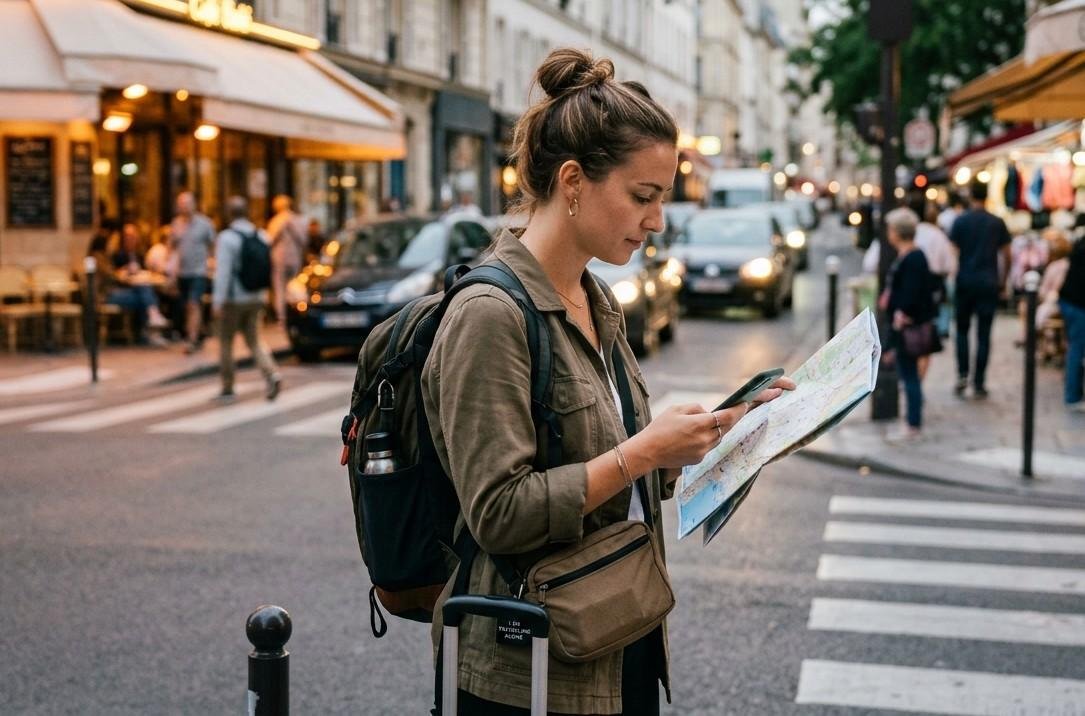
Safety starts with mindset.
I stay aware without being anxious. I trust my instincts and never ignore discomfort.
Confidence plays a huge role. When you move with purpose, you naturally reduce attention from the wrong people.
At the same time, I stay open to experiences. Solo travel is about balance—being careful without limiting yourself.
FAQs About Solo Travel Safety Tips
1. Is solo travel safe for beginners in the U.S. and abroad?
Yes, solo travel is safe if you plan ahead, stay aware, and follow proven safety practices.
2. What is the safest way to travel alone?
Research destinations, use trusted transport, stay connected, and avoid risky areas or situations.
3. How do I avoid scams while traveling alone?
Stay alert, avoid unsolicited help, and never rush decisions in unfamiliar situations.
4. Do I need travel insurance for solo travel?
Yes, travel insurance protects you from medical emergencies, delays, and unexpected disruptions.
Conclusion
Over time, I’ve learned that solo travel safety isn’t about avoiding travel—it’s about doing it smarter. By following these solo travel safety tips, I’ve been able to explore confidently while staying prepared for anything.
When you plan ahead, stay aware, and trust your instincts, solo travel becomes less stressful and far more empowering.