
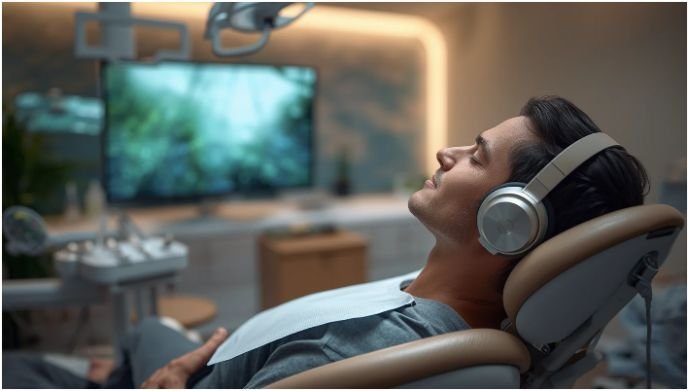
The Evolution of Modern Dental Practice
The landscape of dental care has transformed remarkably over recent decades, moving beyond traditional clinical approaches to embrace holistic patient comfort strategies. Modern dentists in Port Macquarie now recognise that creating a calming environment plays a crucial role in patient satisfaction and treatment outcomes.
One particularly innovative development gaining traction across the profession involves the strategic implementation of therapeutic soundscapes within dental settings.
These carefully curated audio environments represent a significant departure from the sterile silence or mechanical noises that once characterised dental visits. Forward-thinking practitioners are discovering that thoughtfully selected sounds can dramatically alter the patient experience, transforming what was once a source of anxiety into a more serene and manageable encounter.
Understanding Therapeutic Soundscapes in Dentistry
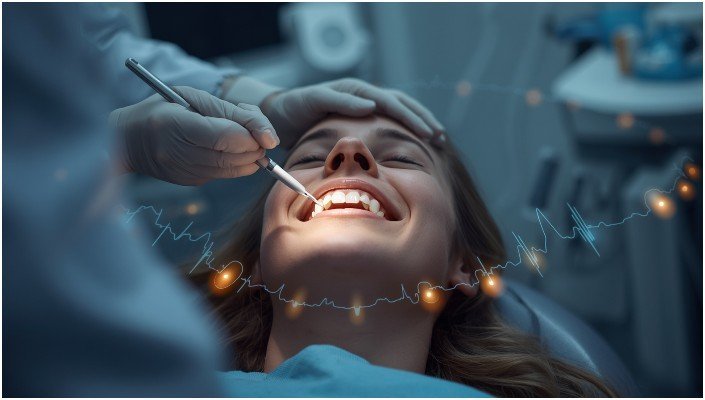
Therapeutic soundscapes encompass far more than simply playing background music during dental procedures. These sophisticated audio environments are meticulously designed to promote relaxation, reduce stress responses, and create psychological comfort for patients undergoing various treatments.
The science behind this approach draws from decades of research into how different frequencies, rhythms, and natural sounds influence human physiology and emotional states.
Contemporary dental practices are incorporating various types of therapeutic audio, ranging from nature sounds and ambient compositions to specifically engineered frequencies that promote calm. Research into music therapy applications within dental environments has demonstrated promising results in reducing patient anxiety and improving overall treatment experiences.
The Science Behind Sound Therapy
Physiological Benefits
The human body responds predictably to different auditory stimuli, with certain sounds triggering measurable changes in heart rate, blood pressure, and stress hormone levels. When patients encounter therapeutic soundscapes in dental settings, their nervous systems often shift from states of heightened alertness to more relaxed conditions.
This physiological transformation can make dental procedures more comfortable and allow practitioners to work more efficiently.
Studies have shown that specific frequencies can influence brainwave patterns, potentially inducing states similar to meditation. These neurological changes create an environment where patients experience reduced perception of discomfort and enhanced cooperation during treatment.
A dentist Port Macquarie might find that implementing such techniques leads to more positive patient feedback and improved treatment outcomes.
Psychological Impact
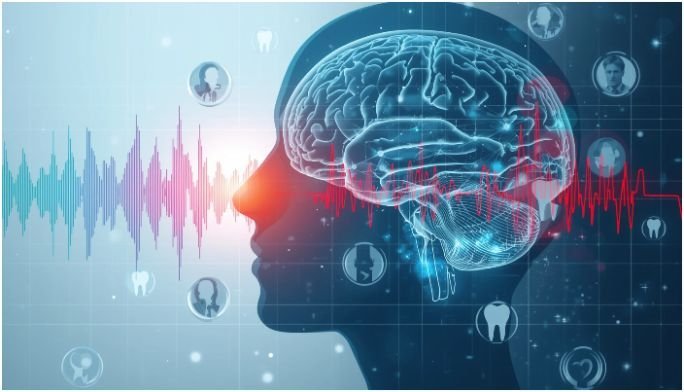
Beyond the measurable physiological changes, therapeutic soundscapes address the psychological barriers that often prevent individuals from seeking regular dental care. The familiar sounds of dental equipment can trigger immediate stress responses in many patients, creating a cycle of avoidance that ultimately compromises oral health.
By masking or complementing these clinical sounds with carefully selected audio environments, practitioners can significantly reduce these negative associations.
The psychological comfort provided by therapeutic soundscapes extends beyond individual appointments, often encouraging patients to maintain regular dental schedules. When individuals associate dental visits with peaceful, calming experiences rather than stress and discomfort, they become more likely to prioritise preventive care and address oral health concerns promptly.
Implementation Strategies for Modern Practices
Successful integration of therapeutic soundscapes requires careful consideration of various factors, including treatment types, patient demographics, and practice layouts.
Different procedures may benefit from distinct audio approaches, with more intensive treatments potentially requiring deeper relaxation-inducing sounds. Patient comfort research in dental settings suggests that personalised audio experiences yield superior results compared to one-size-fits-all approaches.
Technology plays an increasingly important role in delivering these therapeutic experiences. Modern audio systems allow practitioners to adjust soundscapes in real-time, responding to individual patient needs and treatment phases.
Some practices have invested in sophisticated sound masking technologies that specifically target the frequencies produced by dental equipment, creating more seamless auditory environments.
Future Developments in Dental Sound Therapy
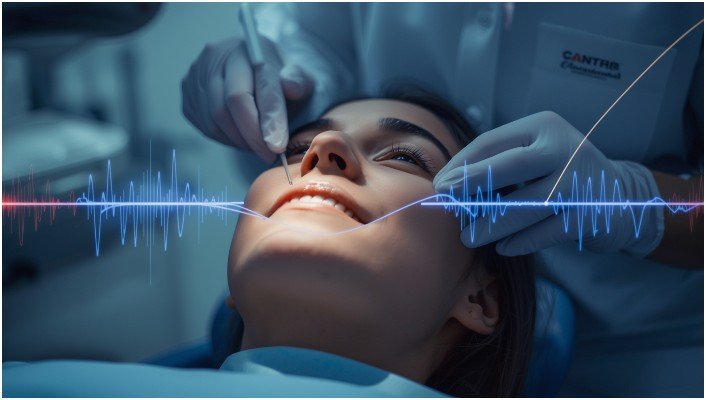
The field continues evolving as researchers explore new applications and refine existing techniques. Innovative sound wave applications in dental treatment represent just one area of ongoing development. Emerging technologies promise even more sophisticated approaches to therapeutic audio, potentially incorporating biometric feedback to create truly responsive soundscapes that adapt to patient states throughout treatment.
Virtual reality integration and three-dimensional audio environments represent exciting frontiers that may further transform the dental experience. These advanced technologies could transport patients to entirely different environments, creating immersive experiences that completely redefine traditional dental visits.
Transforming Tomorrow’s Dental Experience
Therapeutic soundscapes represent a meaningful step towards more patient-centred dental care. As practices continue embracing these innovative approaches, the traditional barriers between clinical necessity and patient comfort continue dissolving.
The future of dental care lies in creating environments where health, comfort, and wellbeing seamlessly integrate, making oral health maintenance a genuinely positive experience for all patients.
Any surgical or invasive procedure carries risks. Before proceeding you should seek a second opinion from an appropriately qualified health practitioner.